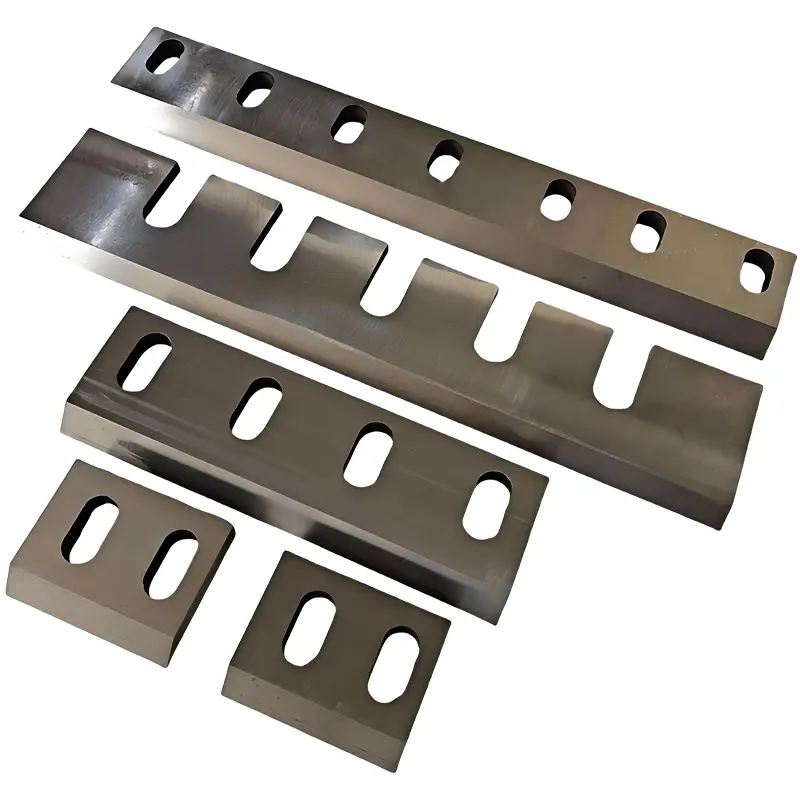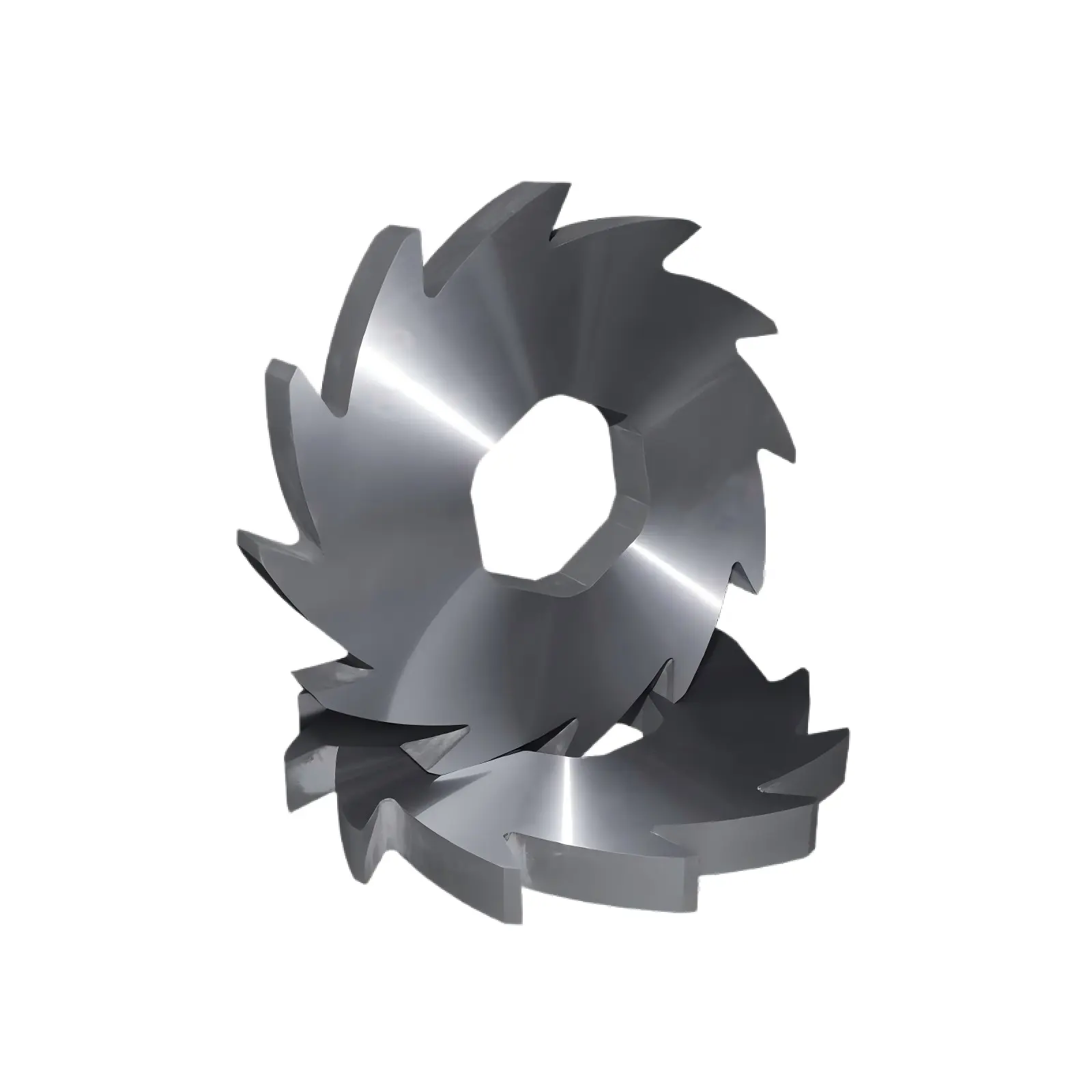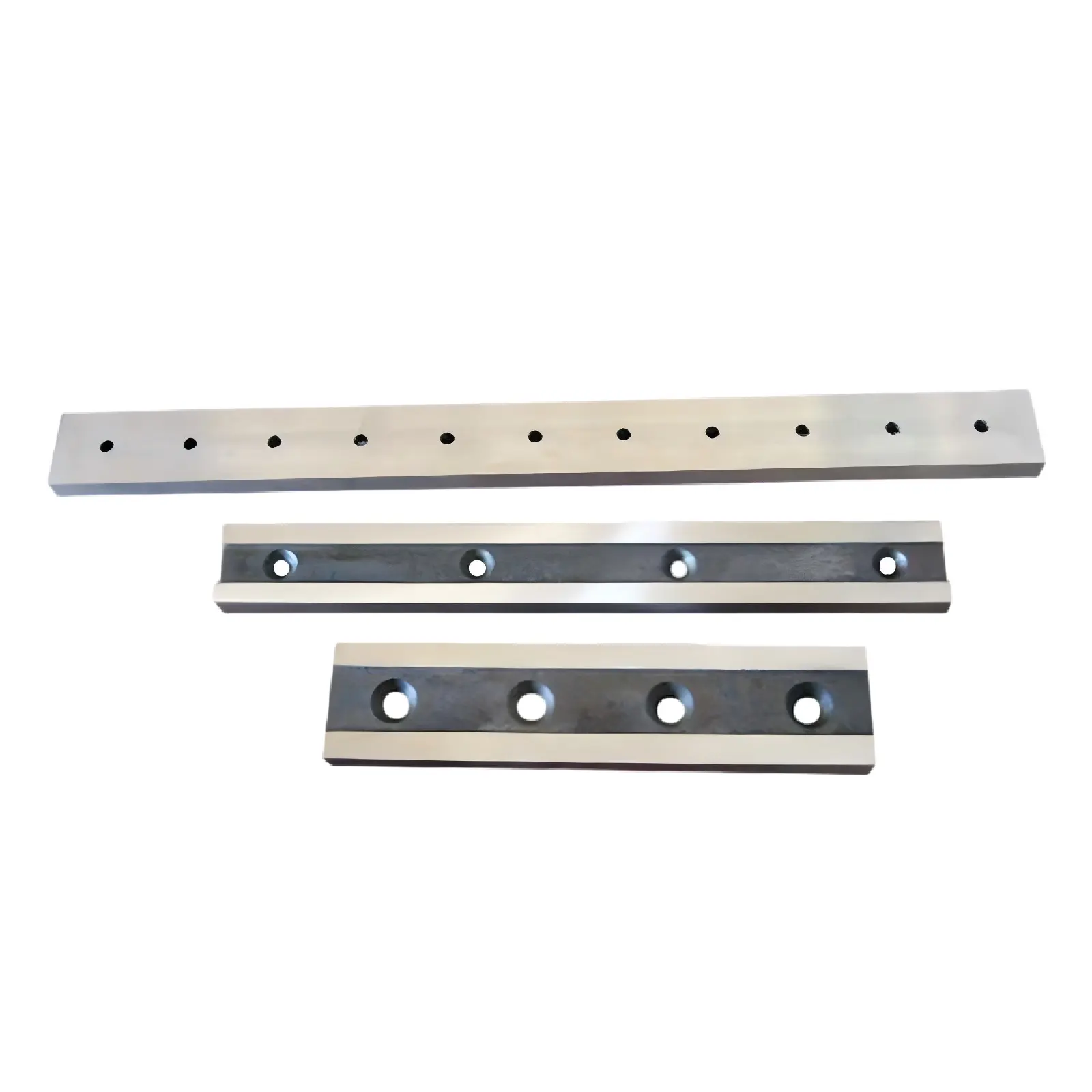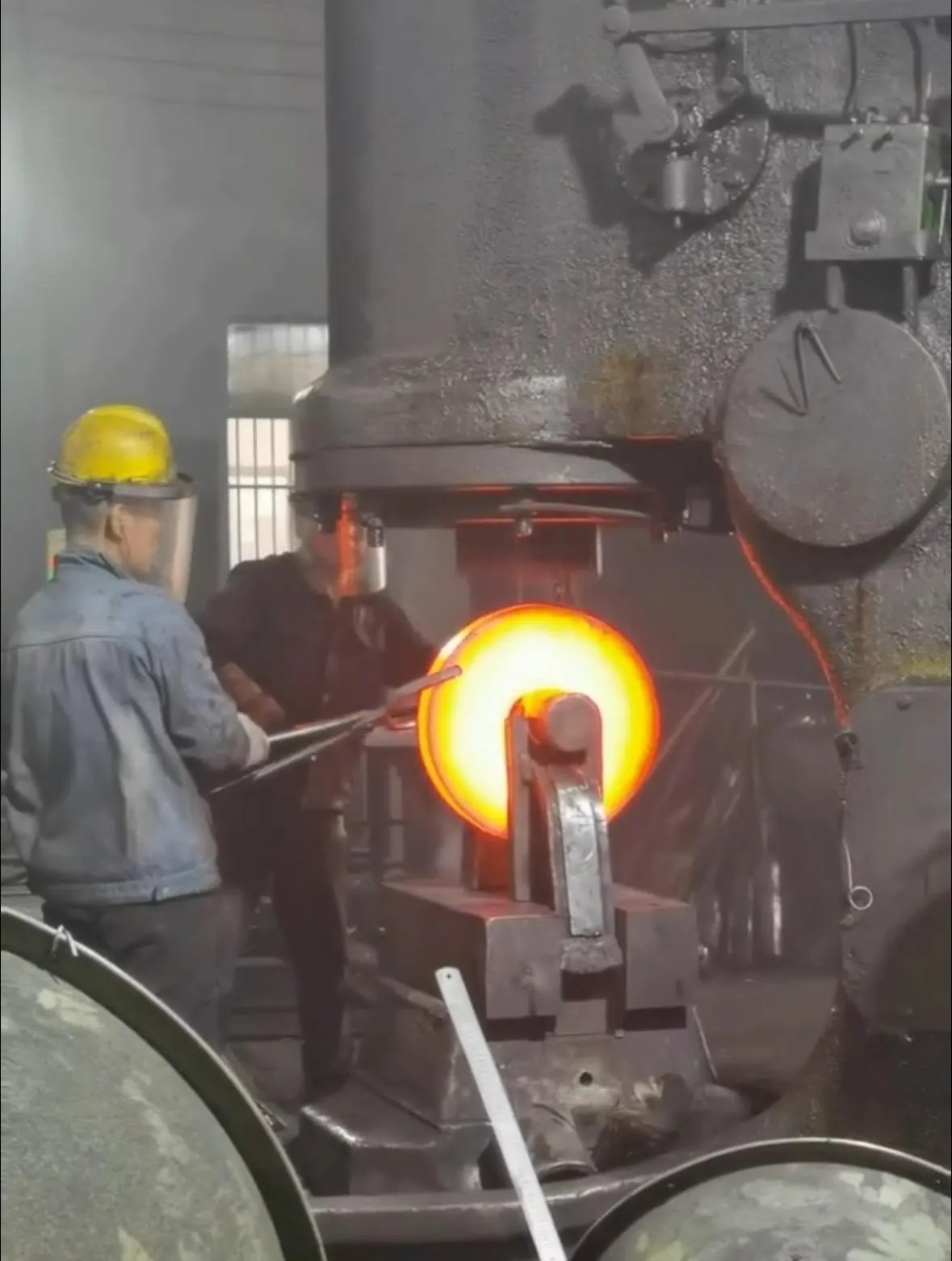
Conventional quench-and-temper heat treatment leaves 10–0% retained austenite in high-alloy tool steels such as D2, M2, and the CPM series. This metastable phase reduces hardness ceiling and accelerates micro-spalling at the cutting edge under cyclic impact loading — a primary failure mode in plastic film and pipe recycling applications.
Deep cryogenic processing (DCP) at -196°C transforms residual austenite to martensite, increasing carbide density at the matrix level. Independent laboratory analysis of DCP-treated D2 specimens shows a 12–8% improvement in wear resistance (ASTM G65 dry-sand rubber-wheel test) versus conventionally treated controls.
Technical Note
TEST DATA: D2 blade, conventional treatment — wear scar depth 0.42 mm after 6,000 revolution test cycle. D2 blade, DCP post-treatment — wear scar depth 0.36 mm. Improvement: 14.3% reduction in material loss at equivalent load and abrasion conditions.
Process Protocol
Post-quench, blades are placed in a programmable cryogenic chamber and cooled at a controlled rate of 3°C/min to -196°C. Soak duration is minimum 24 hours. Parts are returned to ambient temperature at 2°C/min to prevent thermal shock cracking. A final low-temperature temper cycle (175°C, 2 hours) follows to relieve transformation stresses.
Application Scope
DCP is recommended for blades operating in abrasive-dominant environments: HDPE/PP pipe granulation, wet-process tissue log sawing, and multi-shaft recycling of glass-fibre-reinforced polymers. For impact-dominant applications (steel scrap shredding), conventional treatment with toughness-optimized tempering remains the preferred specification.