Unplanned downtime on a coil slitting line doesn't just halt production — it bleeds money. The good news? Most breakdowns are preventable with consistent maintenance.
Know Your Line
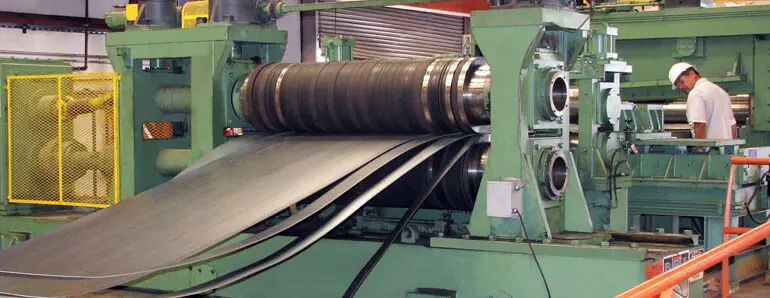
A typical slitting line includes the uncoiler, slitter head, tensioning system, recoiler, and guiding equipment. Weakness in any one component stresses the others, so maintenance must cover the full system.
Daily Operator Checks
A five-minute walkthrough each shift catches small problems early. Inspect blade edges for chips or buildup, verify lubrication levels, clear metal debris from the slitter head area, and confirm the coil is tracking straight. Listen for unusual sounds — grinding or vibration often signals bearing wear or misalignment before visible damage appears.
Slitter Knife Maintenance
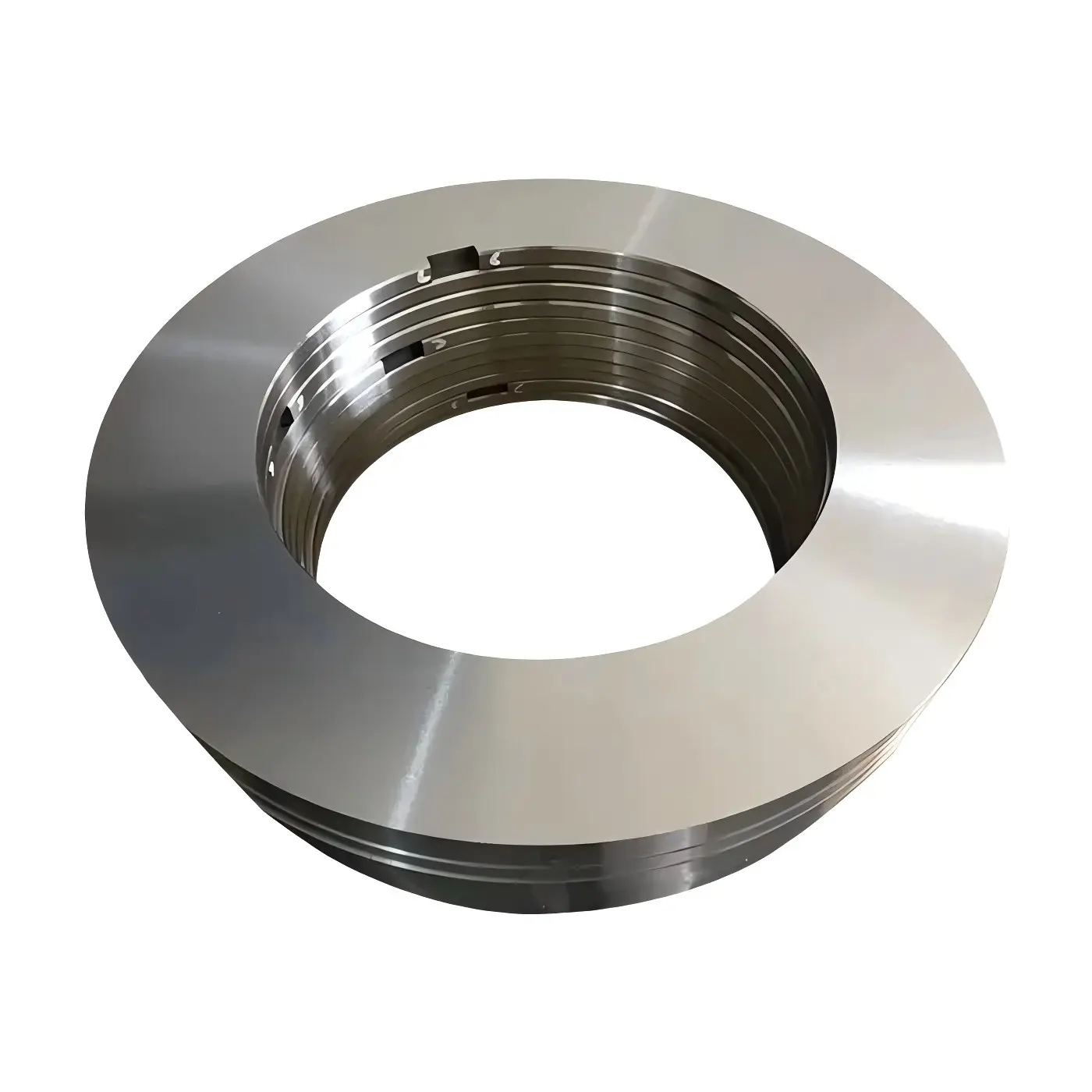
Your circular slitter knives are the most critical factor in cut quality. Resharpen when you see uniform edge wear, but replace blades with localized chipping or deep nicks. Watch for edge rounding (increasing burr on strips), material buildup on blade faces, and uneven wear patterns. Store blades vertically in slotted racks with rust-preventive oil — never stack them without separators.

Shear Blade Care
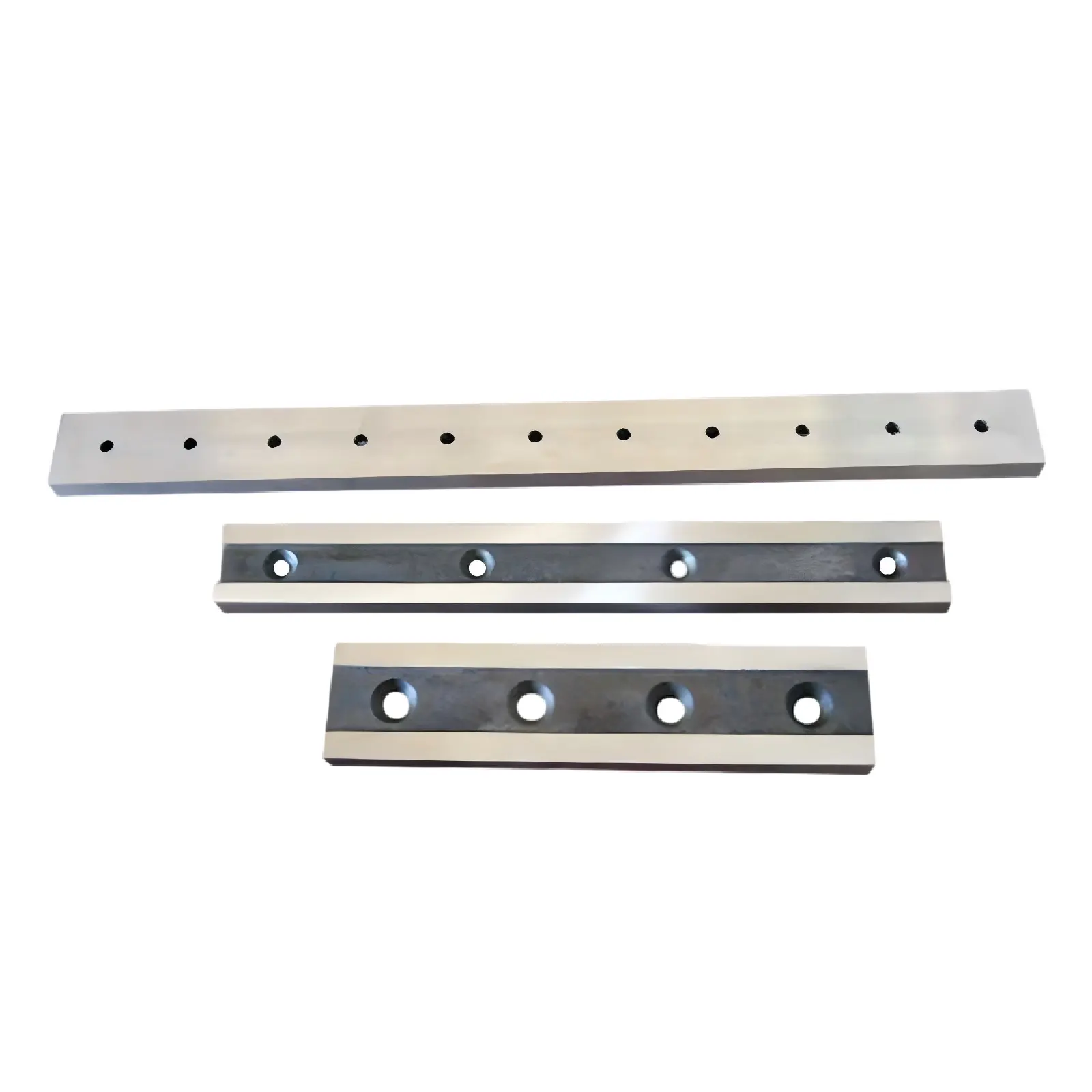
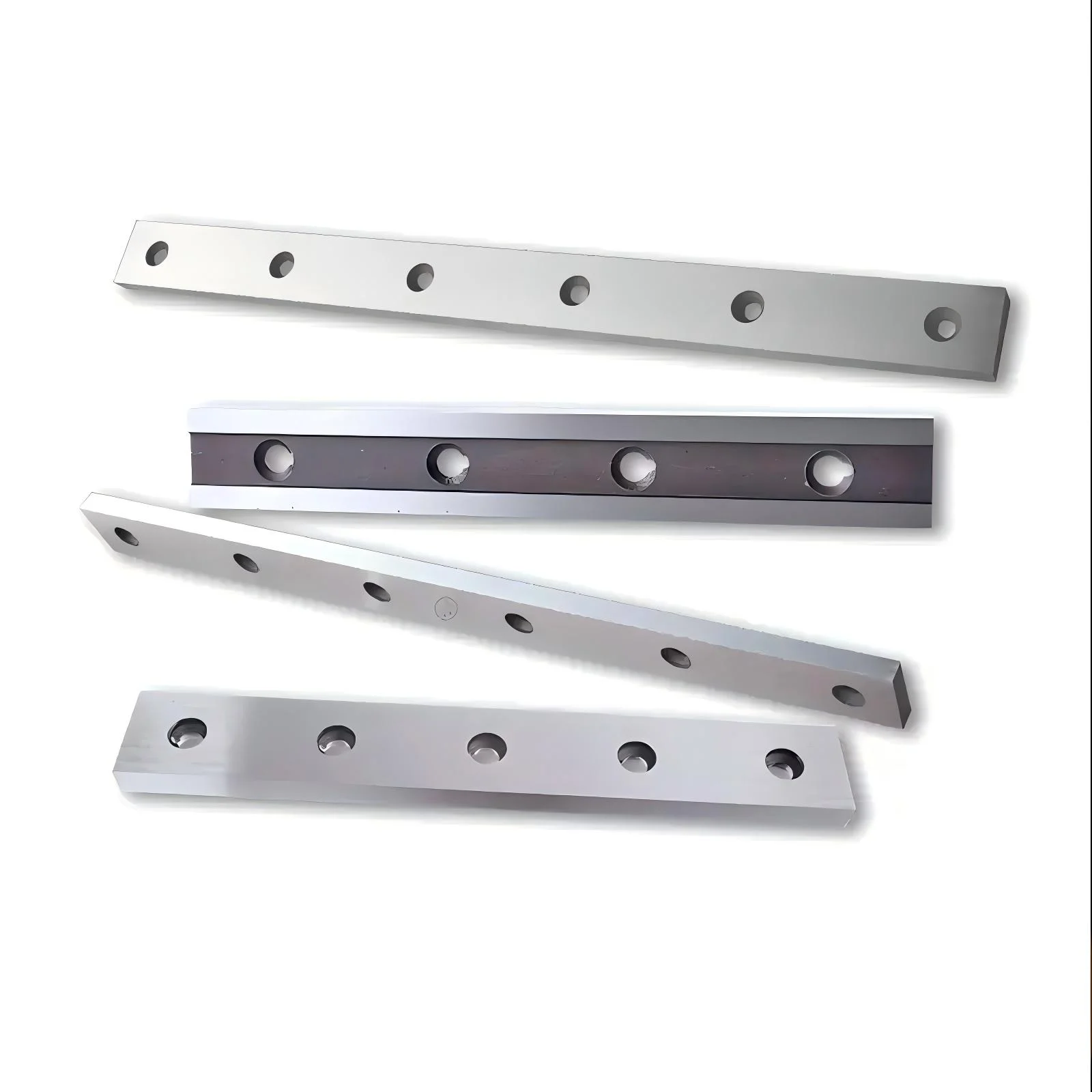
Guillotine shear blades are often overlooked but equally important. Keep clearance properly set (typically 5–0% of material thickness) and adjust when switching gauges. Most blades have four usable edges — rotate to the next edge before sending for resharpening to maximize blade life.
Tension, Alignment, and Lubrication
Misalignment causes uneven cuts, width tolerance failures, and accelerated blade wear. Check entry and exit guides, inspect rubber spacers on the arbor, and verify tension roller surfaces monthly. For lubrication, follow manufacturer intervals — grease bearings weekly on high-production lines and monitor coolant concentration regularly. Avoid over-lubricating, which can cause overheating or contaminate strip surfaces.
Build a Preventive Schedule
Don't run equipment until it breaks. Log every blade set's install date, tonnage processed, and resharpening cycles. This data helps you predict replacements before failure. Schedule weekly greasing, monthly alignment checks, and quarterly blade assessments.
Better Tooling, Less Maintenance
Precision-engineered tooling holds its edge longer and reduces stress across your entire line. At Sureay Machinery, our circular slitter knives and guillotine shear blades are built for zero-burr performance and extended service life — so you spend less time maintaining and more time producing.
Technical Note
Contact us to find the right tooling for your line.