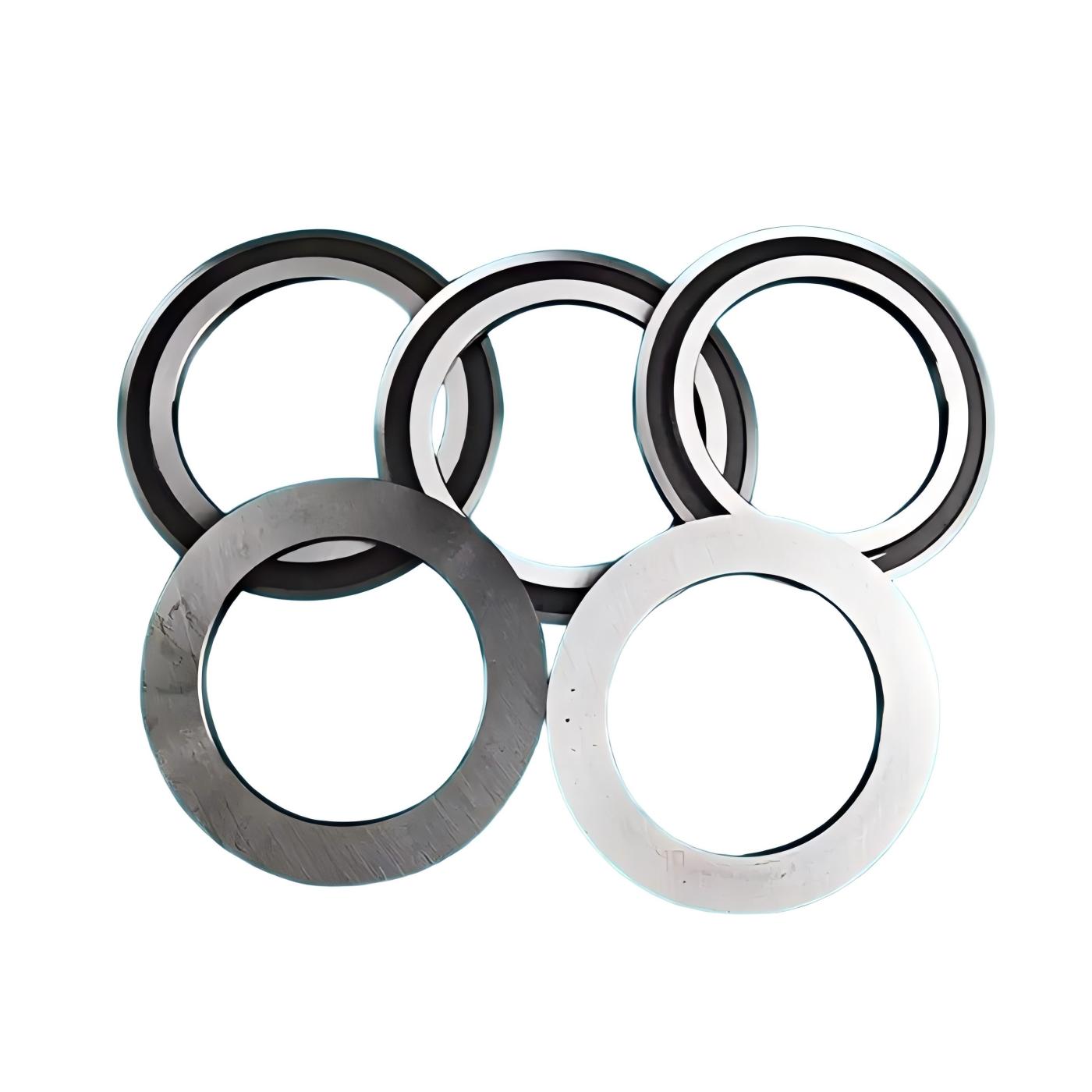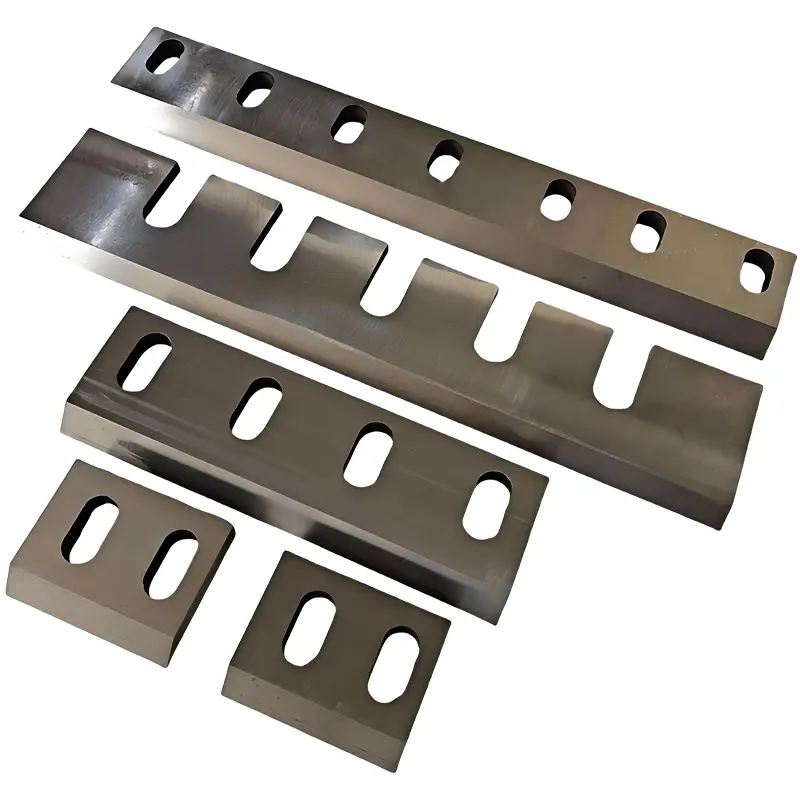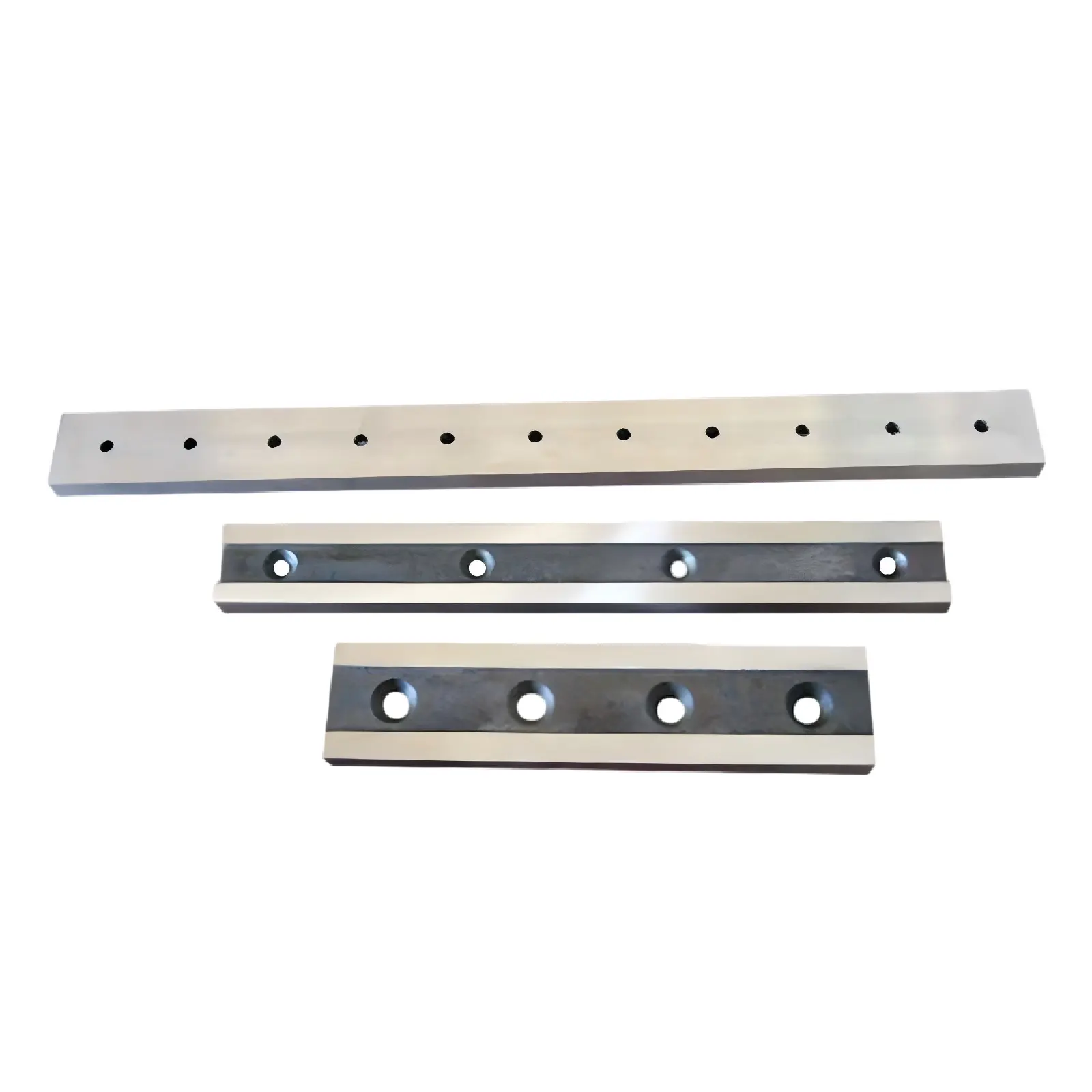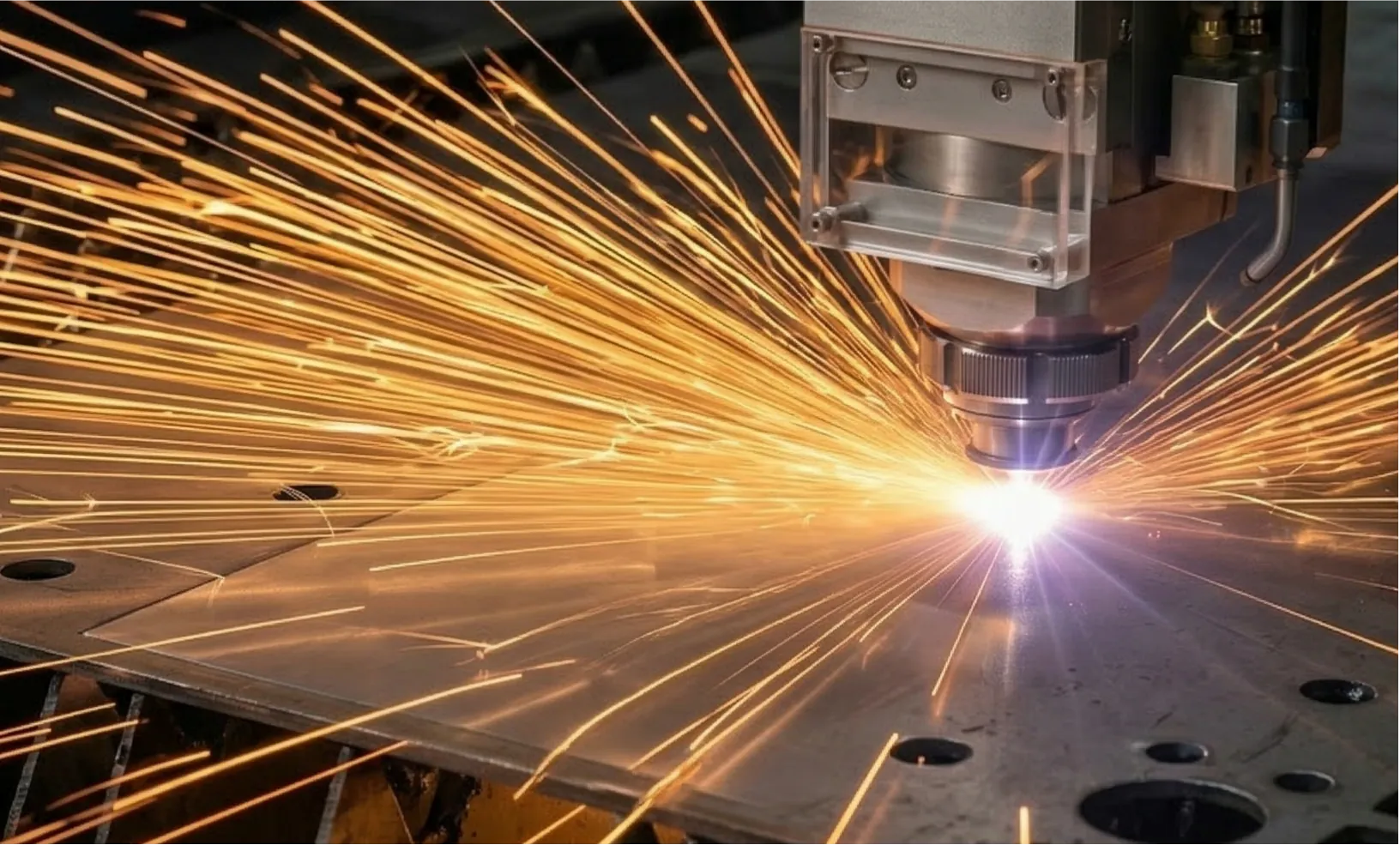
Behind every precision blade is a tightly controlled manufacturing chain. From the moment raw steel arrives at our facility to the moment a finished blade ships in VCI packaging, each step is governed by documented tolerances and inspection protocols. This article walks through the full process so you can see exactly where quality is built — and what to look for when evaluating suppliers.
1. Raw material inspection
Every production run begins with incoming material verification. Steel is checked for chemical composition, hardness, and surface condition before it enters the production line. Common materials include high-speed steel (HSS grades M2, M42), alloy tool steels (Cr12MoV, D2, DC53), and tungsten carbide composites. Skipping this step is the most common cause of inconsistent blade performance across a batch.
2. Cutting and rough machining
Steel coils or plates are cut to blank shape by stamping, laser cutting, or cold sawing depending on profile complexity and material thickness. Tight dimensional control at this stage is critical — micro-cracks or edge burrs introduced here can propagate through heat treatment and compromise the finished blade. For complex profiles, preliminary shaping is completed before the blank enters the heat treatment furnace.
3. Heat treatment (core process)
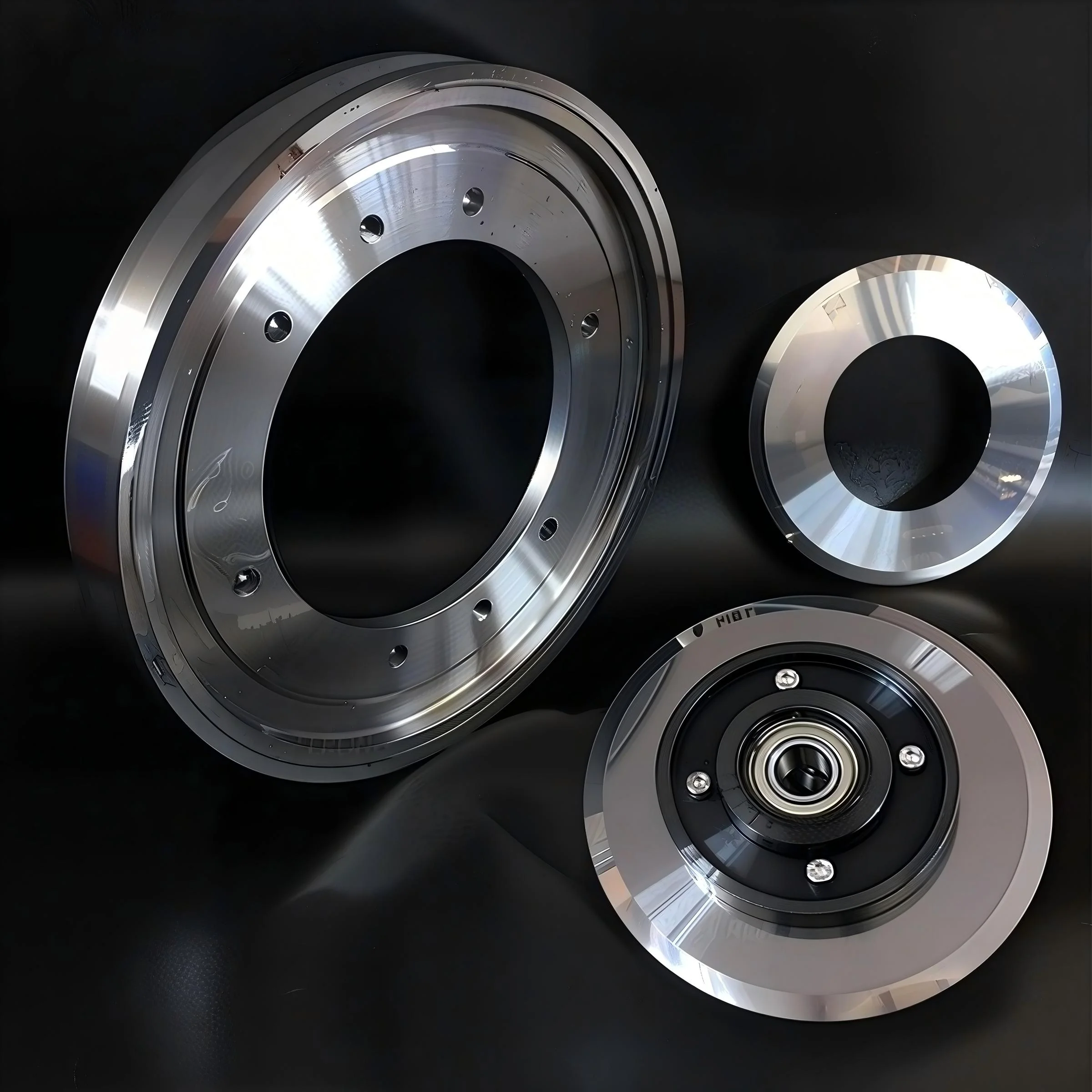
Heat treatment defines the functional hardness and toughness of the blade. The process involves controlled austenitizing, quenching, and one or more tempering cycles to achieve the target hardness range — typically HRC 58–5 for HSS and tool steels, and HRC 89+ for tungsten carbide grades. Temperature uniformity across the load must be held to ±5 °C; deviation causes hardness gradients and warpage that cannot be corrected downstream.
Technical Note
Quenching achieves maximum hardness through rapid cooling. Tempering follows immediately to relieve internal stress and restore toughness — preventing brittle fracture in service. Both steps are equally critical; quench without temper produces a hard but fragile blade.
4. Precision grinding
After heat treatment, the blade is ground to final geometry on surface grinders, cylindrical grinders, or CNC profile grinding centres. Flatness, parallelism, and thickness are controlled at the micron level. The quality of the ground surface directly determines cutting edge sharpness and service life — a blade with grinding chatter marks or heat checks will fail well before its theoretical wear limit.
5. Precision machining and sharpening
The cutting edge is ground to the specified bevel geometry — single-bevel, double-bevel, hollow-ground, or radius profile — depending on the application. Edge angle and symmetry control cutting resistance and edge retention. As a reference, guillotine blades for paper cutting typically use a bevel angle of 19°—3°. Final deburring and chamfering are carried out at this stage before inspection.
6. Testing and quality control
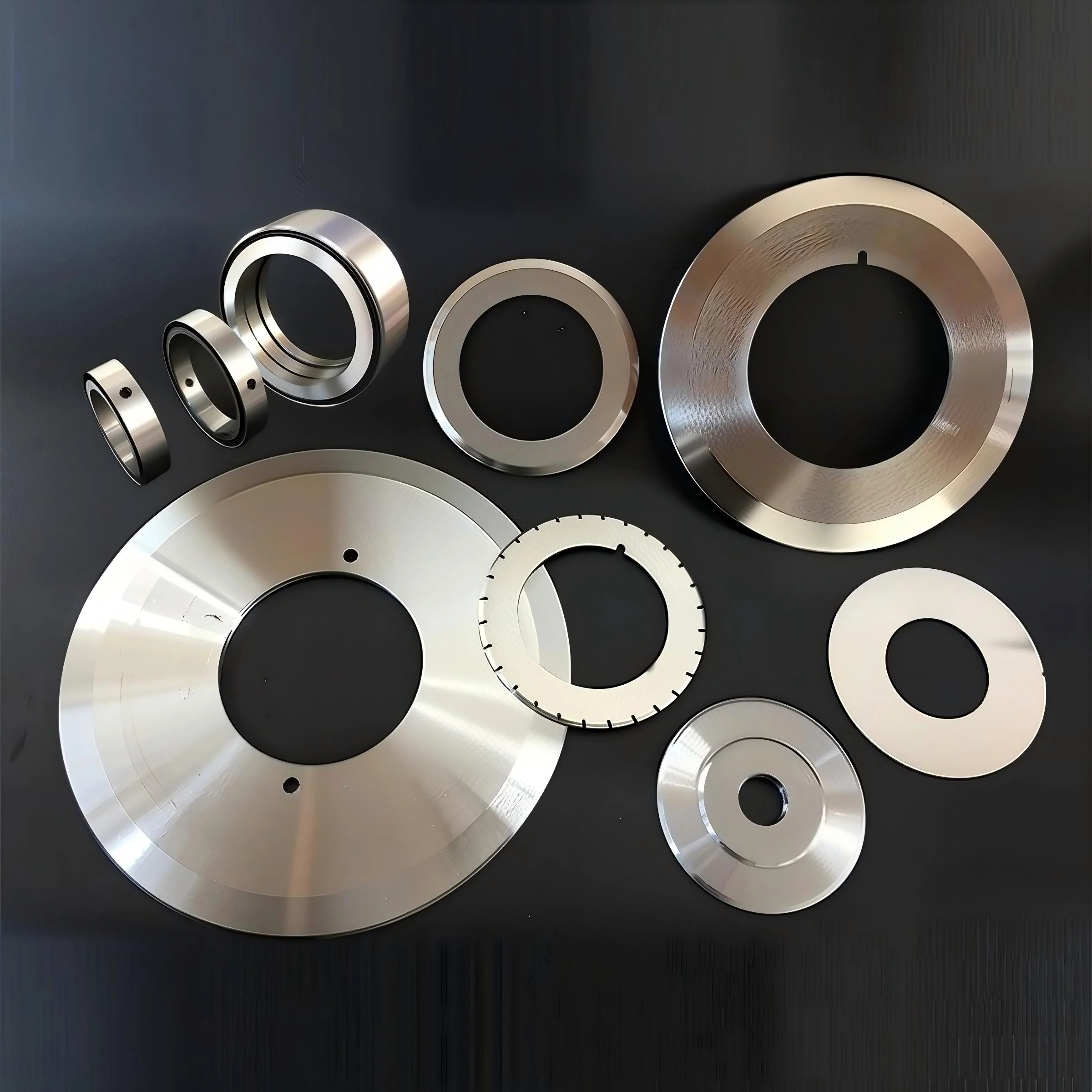
Every blade is inspected for hardness, dimensional accuracy, and edge integrity. High-speed rotary blades — such as large circular slitter knives and log saw blades — additionally undergo dynamic balance testing to prevent vibration at operating speed. Non-conforming parts are quarantined and scrapped. Critical production batches ship with a full inspection report covering material certificate, hardness readings, and CMM dimensional data.
7. Surface treatment and rust prevention
Finished blades are cleaned, degreased, and treated against corrosion. Treatment options include rust-preventive oil, phosphating, PVD coating (TiN, TiAlN), or chrome plating depending on the application environment. For export shipments, we use vapour-phase corrosion inhibitor (VCI) packaging as standard — particularly important for ocean freight where humidity and salt air present a real corrosion risk.
8. Packaging and shipping
Blades are individually wrapped or set-packed, labelled with material grade, dimensions, hardness, and batch number for full traceability. Export cartons are reinforced to prevent collision damage in transit, and storage requirements are marked on the outer packaging. Each shipment includes a packing list and, where required, a material test certificate and inspection report.
Conclusion: why the process matters
A rigorous manufacturing process delivers three things: consistency across mass production batches, extended service life through optimised heat treatment and grinding (wear resistance improvements of 30–00% over uncontrolled processes are common), and full traceability from steel coil to finished product so any issue can be isolated and resolved quickly.
Technical Note
Process flow: Steel — Cutting — Heat treatment — Rough grinding — Finish grinding — Edge sharpening — Inspection — Rust prevention — Packaging — Shipment
Why choose Sureay?
Sureay controls the full manufacturing chain in-house — from heat treatment furnaces to CNC profile grinding — without outsourcing critical processes. Our testing equipment includes hardness testers, optical projectors, and coordinate measuring machines, with material traceability maintained for every batch. With over 20 years focused exclusively on industrial blades, we serve the paper, recycling, metal processing, and food industries worldwide. If you have specific blade requirements or technical questions, contact us for full drawing-to-delivery technical cooperation.