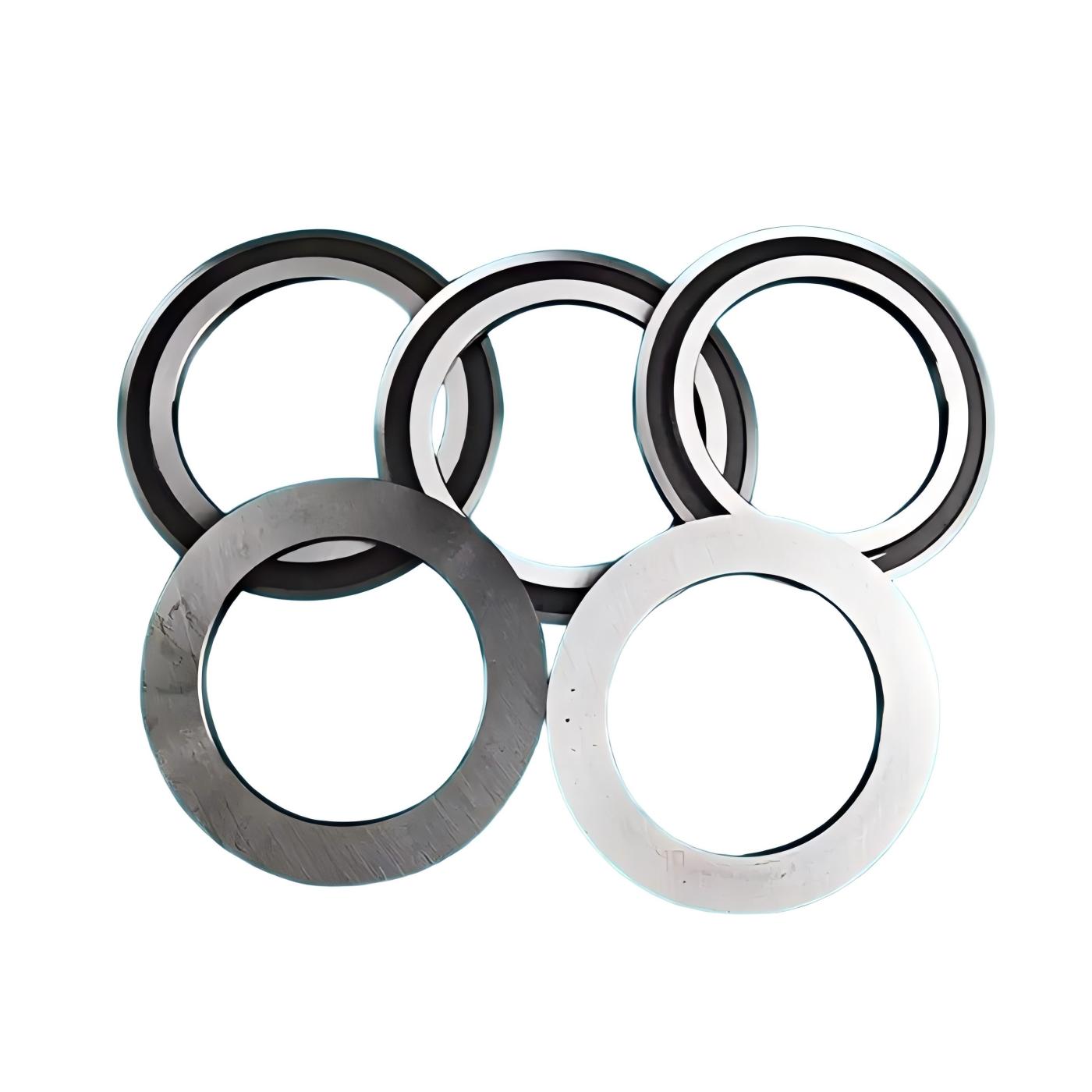
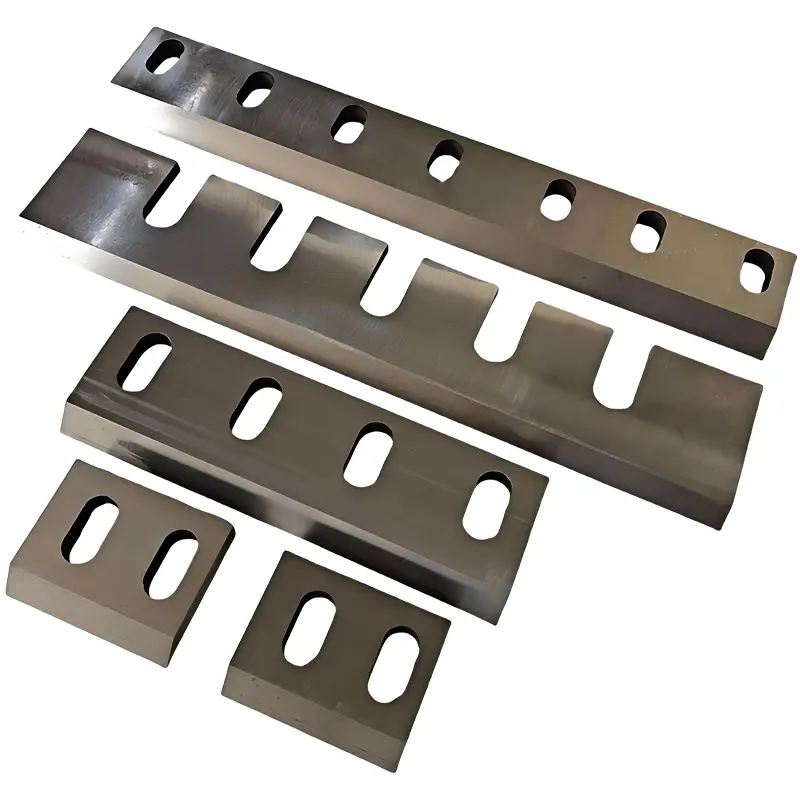
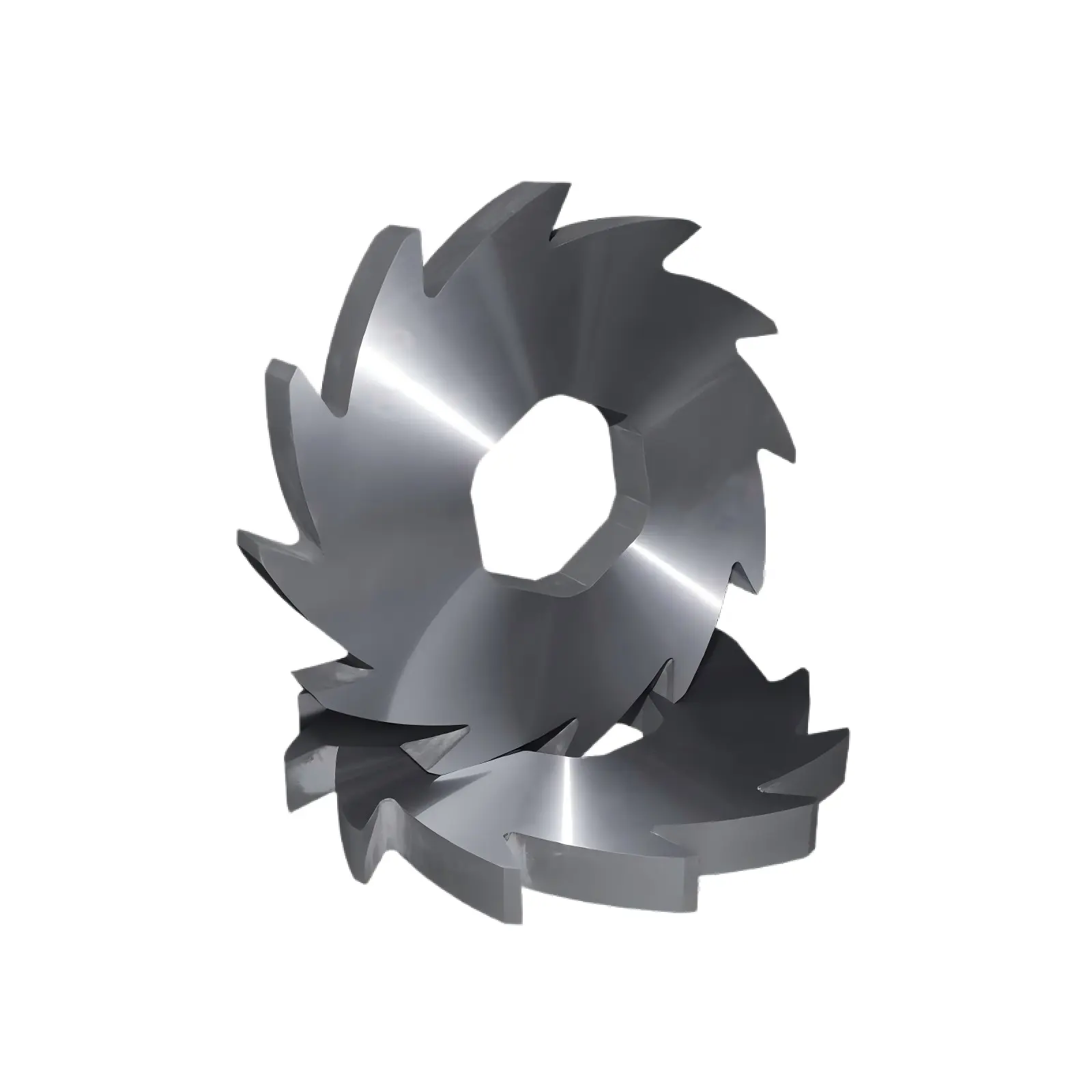
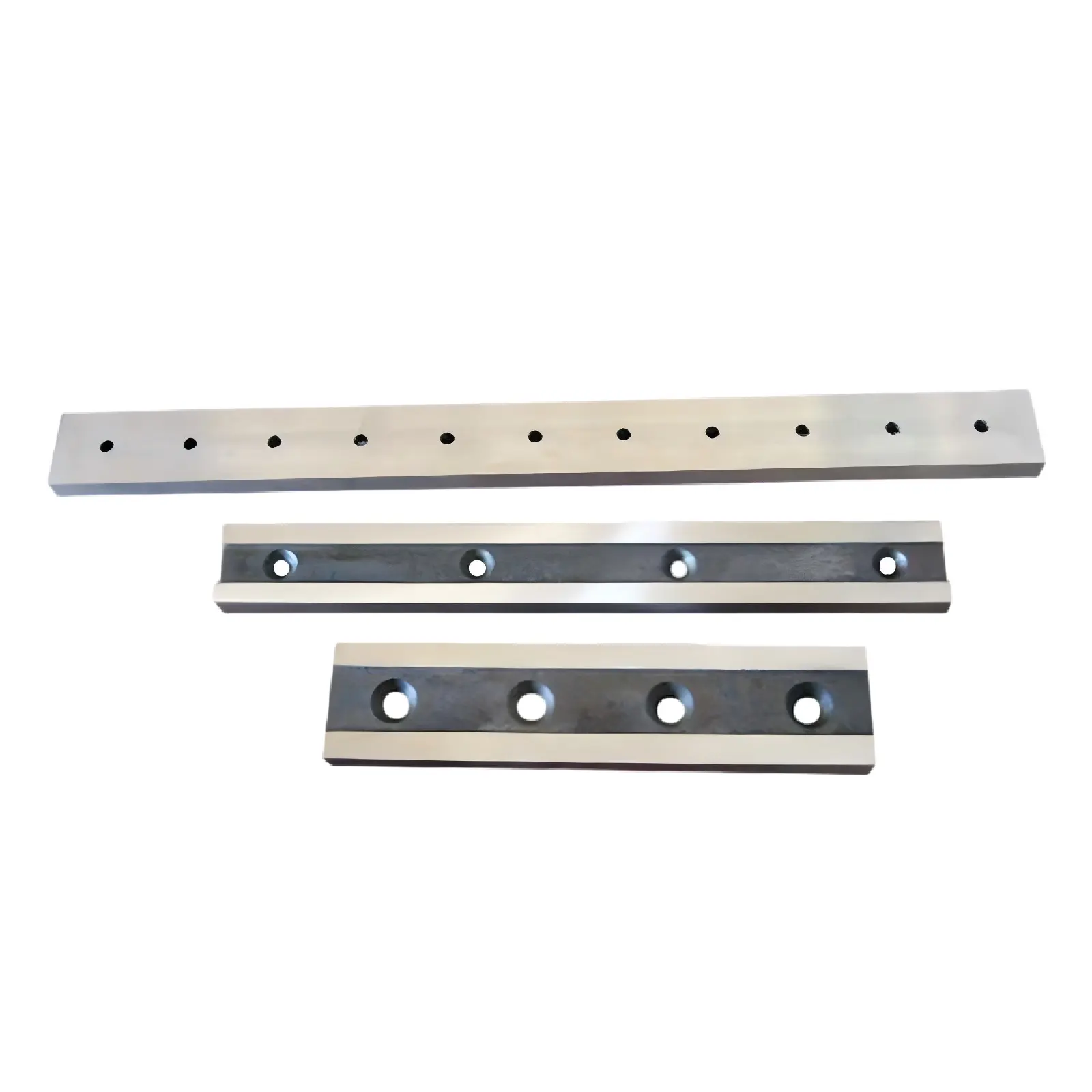
"Which blade material is best suited for my industry?" This is the question we get asked most often. The answer is straightforward: no single material is suitable for all situations. The quick reference chart below will help you pinpoint the right choice for your specific application.
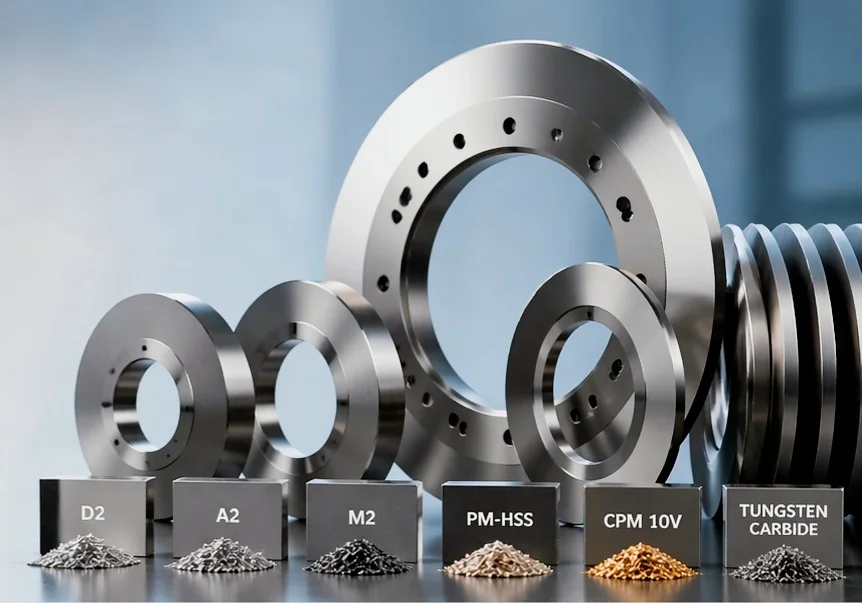
Fig. 1Material Selection
Industry vs. Recommended Blade Material — Quick Reference
| Industry / Application | Recommended Material | Why? |
|---|---|---|
| Household paper processing (tissue log saw blade, paper cutting blade) | Alloy (carbide) | Extremely high wear resistance, fewer tool changes required for continuous production, and lower overall cost. |
| Printing and packaging paper cutting (paper cutting blade, three-knife trimmer blade) | High-speed steel (HSS) or powder metallurgy (PM) | Good toughness — withstands frequent starts, stops, and minor impacts. |
| Plastic recycling and shredding (shredder blade) | Tool steel — Cr12MoV / D2 | High impact resistance, prevents cracking, and can be re-ground multiple times. |
| Plastic pelletizing (pelletizer cutting blade) | Alloy (carbide) or high-speed steel (HSS) | Carbide delivers long service life for high-filler materials; HSS is economical and practical. |
| Melt filter scraper blade | Alloy (carbide) | Prolonged contact with the mesh plate demands high wear resistance while maintaining cutting edge integrity. |
| Food processing (food blade) | Stainless steel or alloy | Must be rust-proof, corrosion-resistant, and meet food-grade requirements. |
| Metal slitting shear (rotary slitting blade) | Carbide or powder metallurgy (PM) | High hardness, high wear resistance, smooth cut surface without burrs. |
| Press brake mold / shearing machine blade | Tool steel — Cr12MoV / 42CrMo | High strength and deformation resistance, suitable for heavy-duty stamping. |
| Construction machinery accessories (wear-resistant parts) | Low-alloy high-strength steel or hardfacing weld | Impact resistant, wear resistant, and adaptable to harsh working conditions. |
Quick decision guide
Technical Note
FOR LONG LIFESPAN & FEWER TOOL CHANGES → Choose carbide. FOR TOUGHNESS & COST-EFFECTIVENESS → Choose high-speed steel (HSS). FOR RUST PREVENTION & FOOD CONTACT → Choose stainless steel. FOR IMPACT RESISTANCE & HEAVY-DUTY OPERATION → Choose tool steel.
Still unsure?
Tell us your equipment model, processing materials, and daily output, and Sureay engineers will customize a material selection plan for you — free of charge. Contact us for a free consultation.
END OF ARTICLE