News & Industry Updates
Articles
and News
Latest news and technology articles about us.
TECHNICAL GUIDE
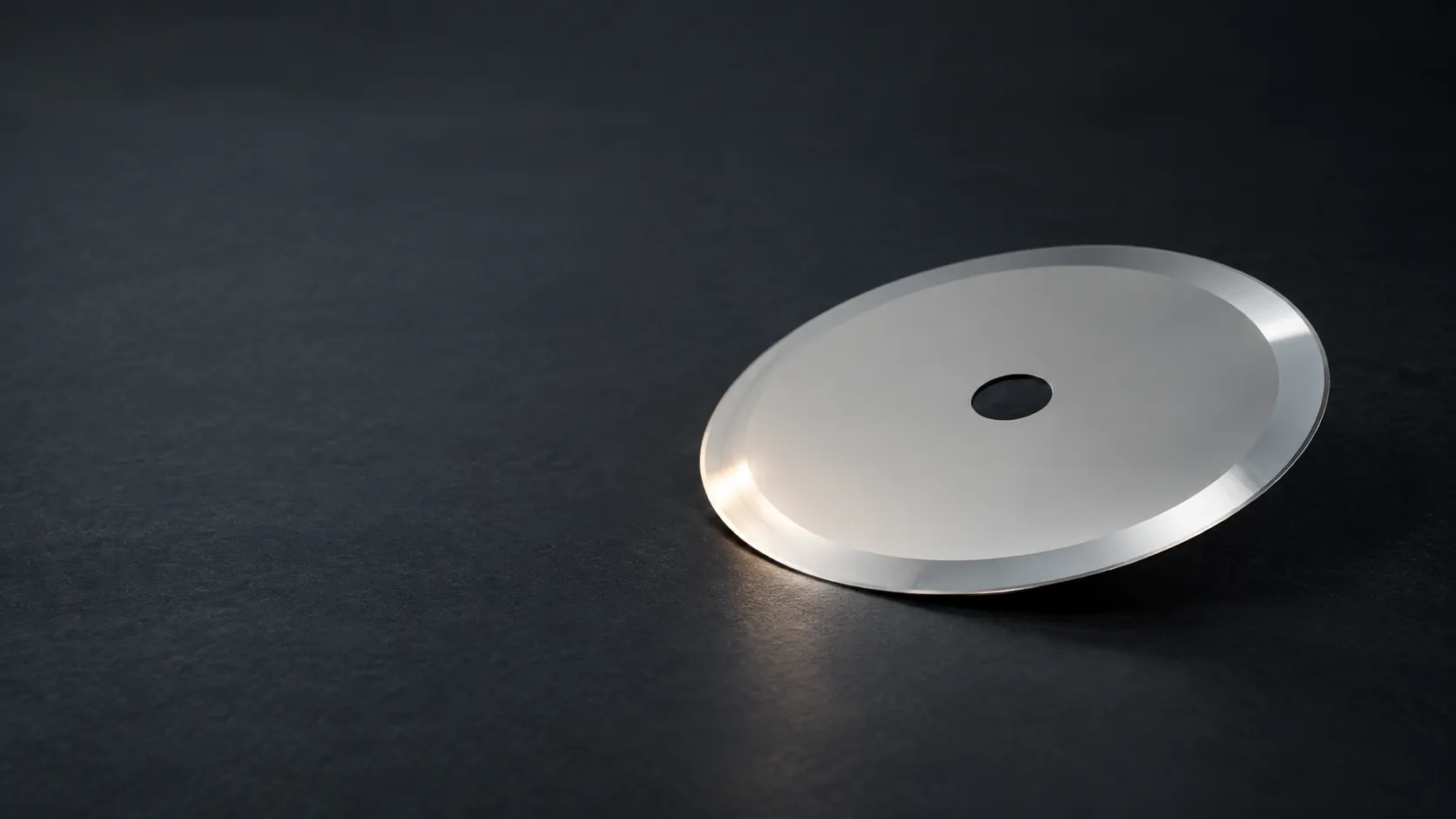
It's the Glue, Not the Blade: Why Paper Straw Ends Fray
Four blades in one shift and the ends still fray. On a paper straw line the usual cause is water-based adhesive building a ridge on the blade face, not a worn edge. How to tell the difference in one shift.
TECHNICAL GUIDE
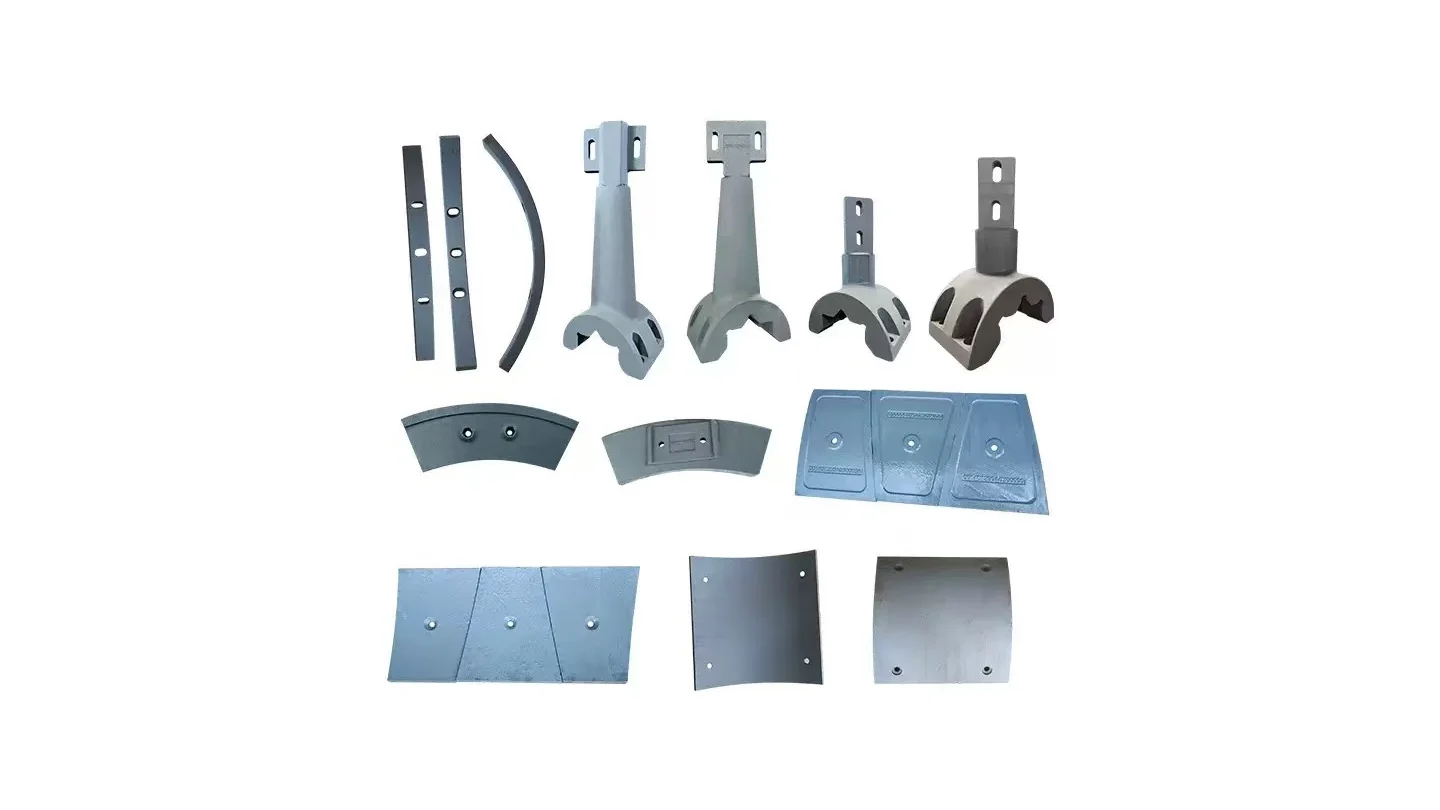
Concrete Mixing Plant Parts: What to Read Off a Casting Before You Reorder
The long cast number identifies the part. The small boxed mark next to it does not. What the numbers, position pads and bolt-hole shapes on a concrete mixer casting tell you before the worn one goes to scrap.
TECHNICAL GUIDE
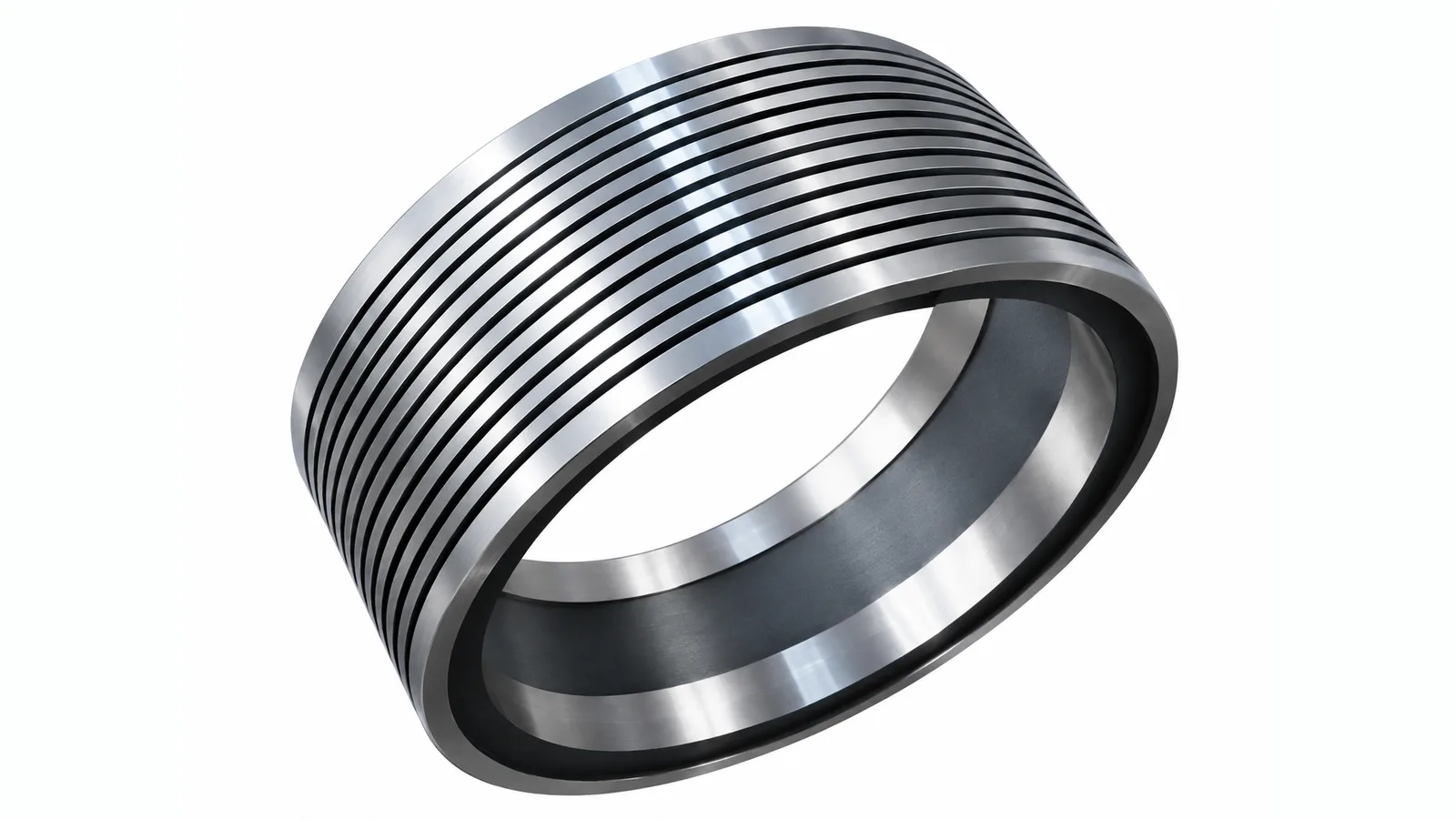
Groove Bottom Knives: When a Multi-Groove Ring Beats a Spacer Stack
A width change on a spacer-stacked bottom shaft means stripping it and rebuilding to a micrometer. A multi-groove ring turns the same job into moving the top knife. Here is when that trade is worth paying for, and the specification mistake that wastes it.
TECHNICAL GUIDE
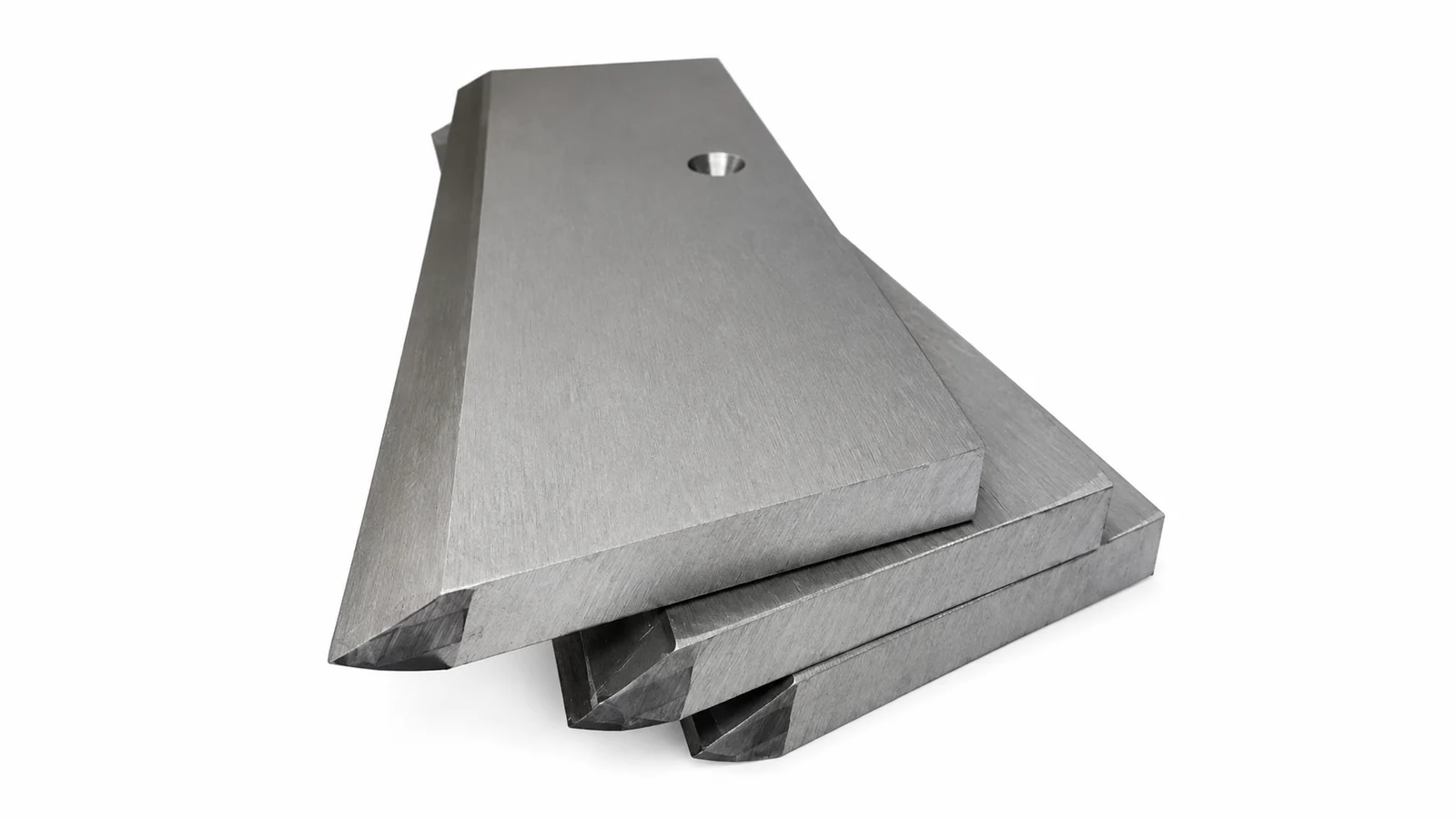
Cutter Compactor Blades: Why Film Kills Edges Faster Than Rigid Plastic
Knives off a film line come out rounded and glazed with no chips at all. Knives off rigid flake come out chipped within days. Two different failures, two different fixes — and a harder steel only solves one of them.
TECHNICAL GUIDE
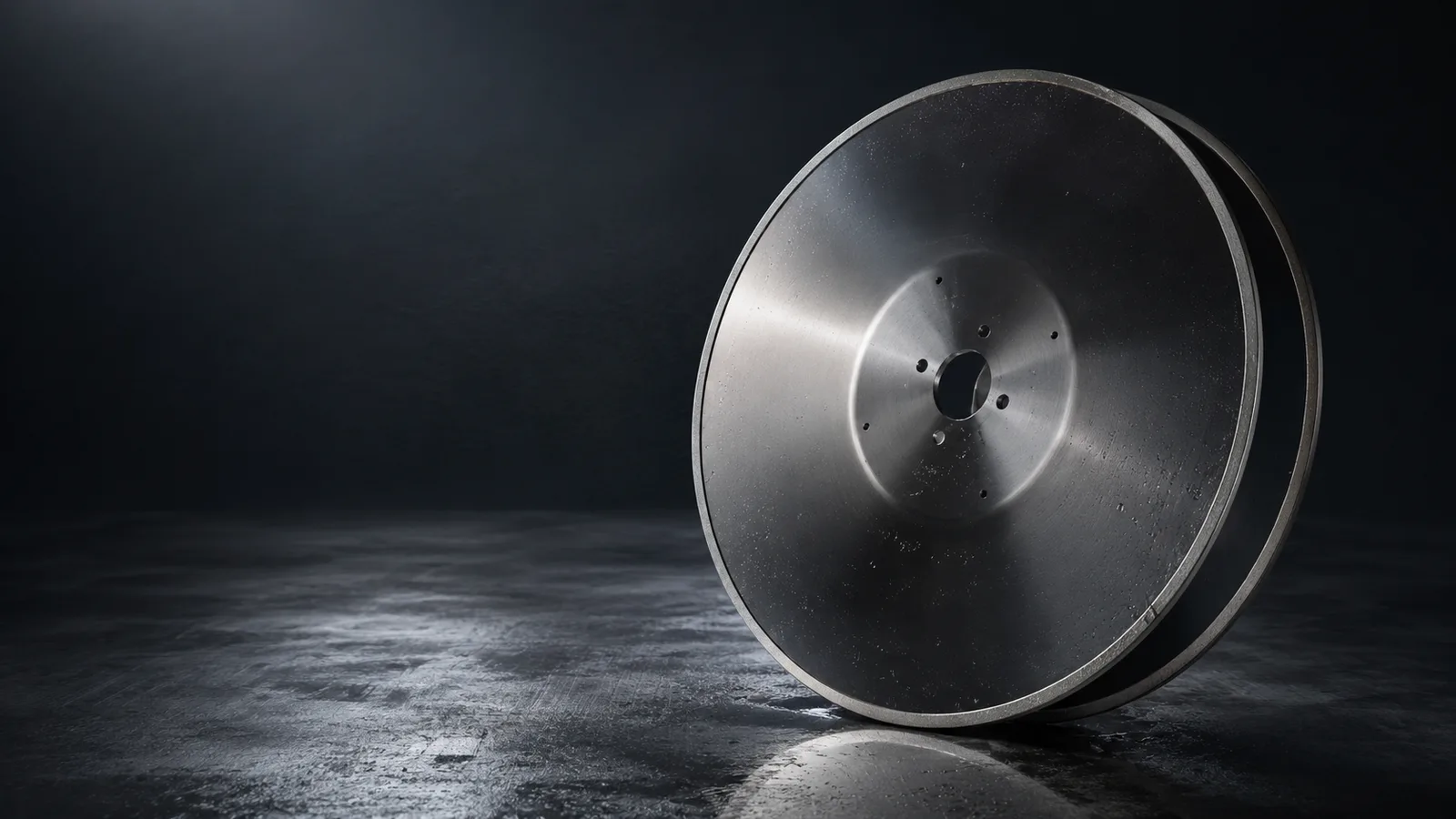
Wet Wipes Are Not Tissue: Why Log Saw Blades Corrode Instead of Wearing Out
A wet wipes blade pulled at nineteen days wasn't dull — it was pitted. How to tell corrosion from wear on a returned log saw blade, why D2's 12% chromium isn't stainless, and when TiN beats hard chrome.
TECHNICAL GUIDE
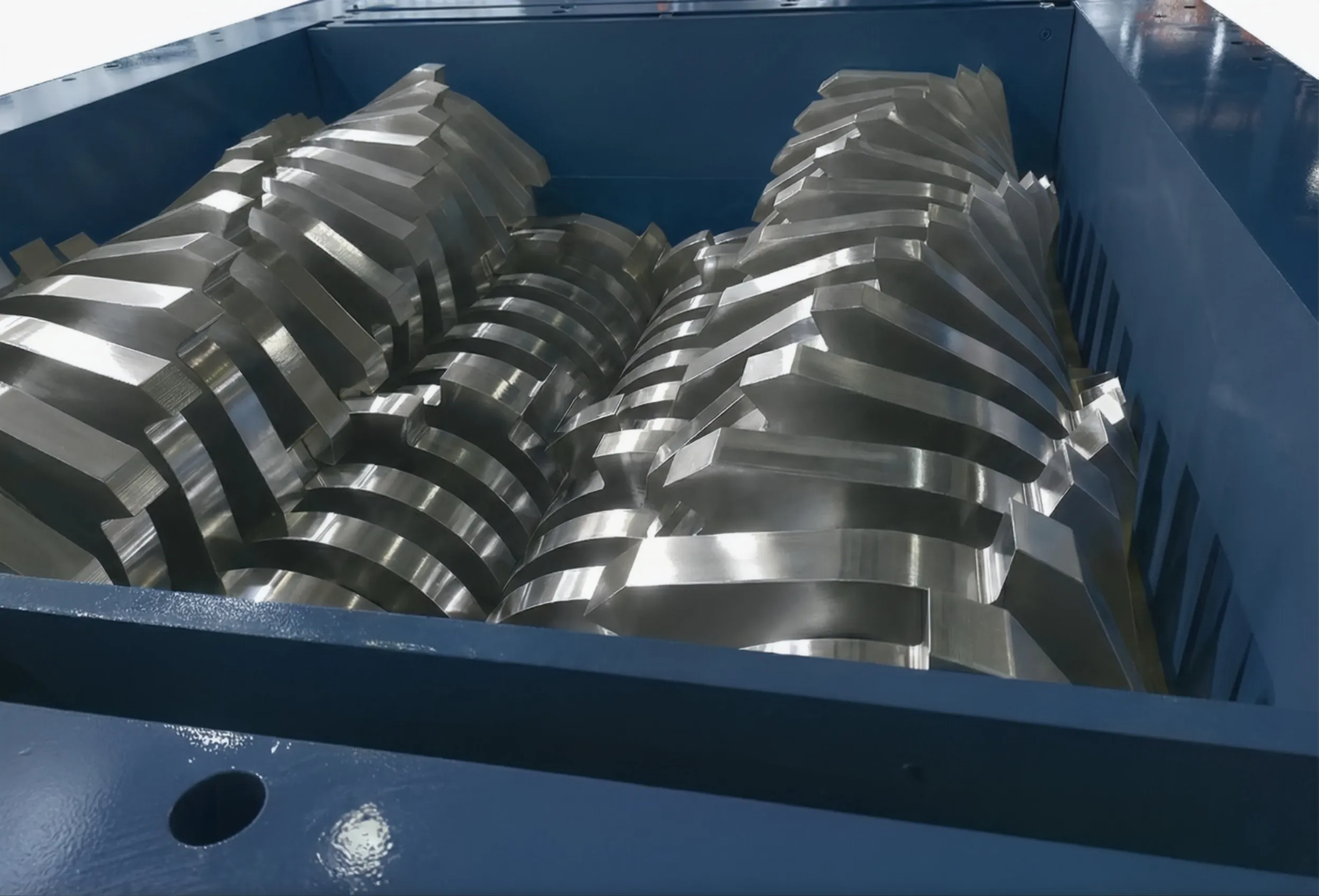
Steel Cord Is the Real Enemy: Reading Wear on Tire Shredder Blades
Tire shredder blades rarely wear out — they break. How to read the four wear signatures on a returned blade set, why HRC 54–58 outlasts HRC 62 in front of bead wire, and how a tenth of a millimetre of stack error turns shearing into tearing.
TECHNICAL GUIDE
Lithium Battery Electrode Slitting Knives: Controlling Burrs, Edge Quality and Knife Life
Electrode slitting is a system, not a blade. How carbide grade, edge finish, clearance and runout together decide whether the slit edge stays stable over a full mother roll — and how to diagnose the failure mode before you change the knife.
TECHNICAL GUIDE
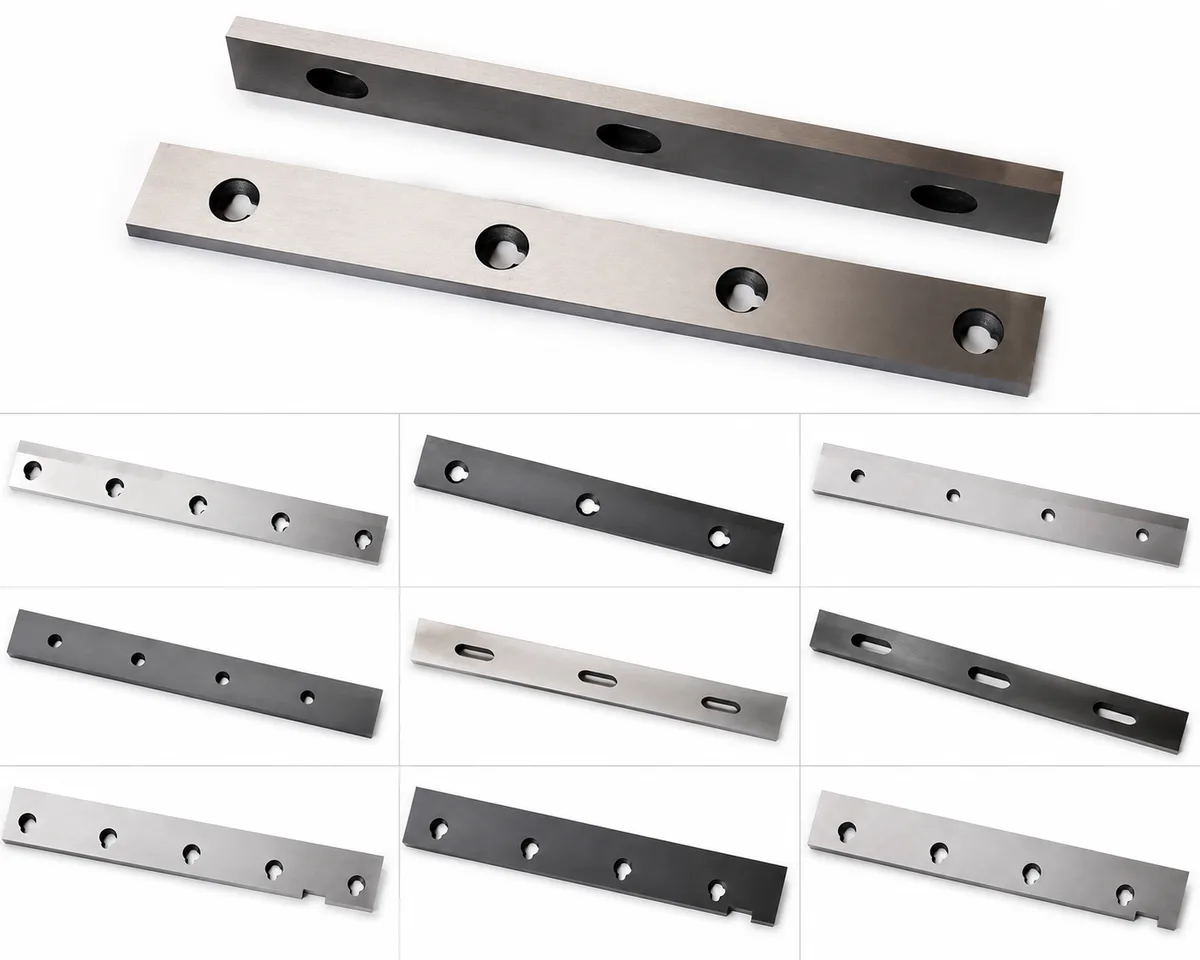
Guillotine Shear Blade Clearance: Setting the Gap and Reading the Cut Edge
Clearance is the one shearing variable that has to change when the job changes — and the one most often left where the last operator put it. How to set the gap by material, and how to read the sheared edge when it's wrong.
TECHNICAL GUIDE
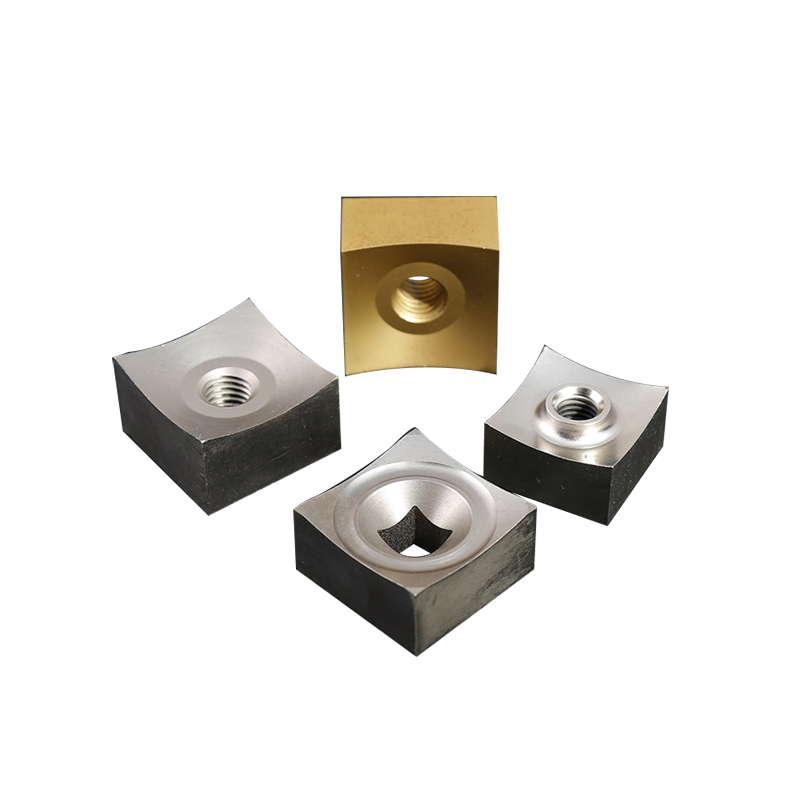
Crown, Concave, or V-Groove: Choosing the Right Single-Shaft Shredder Insert Face
A single-shaft shredder RFQ almost always specifies the machine and the steel grade, and almost never specifies the insert face profile. That gap is where wrap-back and rotor stalling actually come from.
TECHNICAL GUIDE
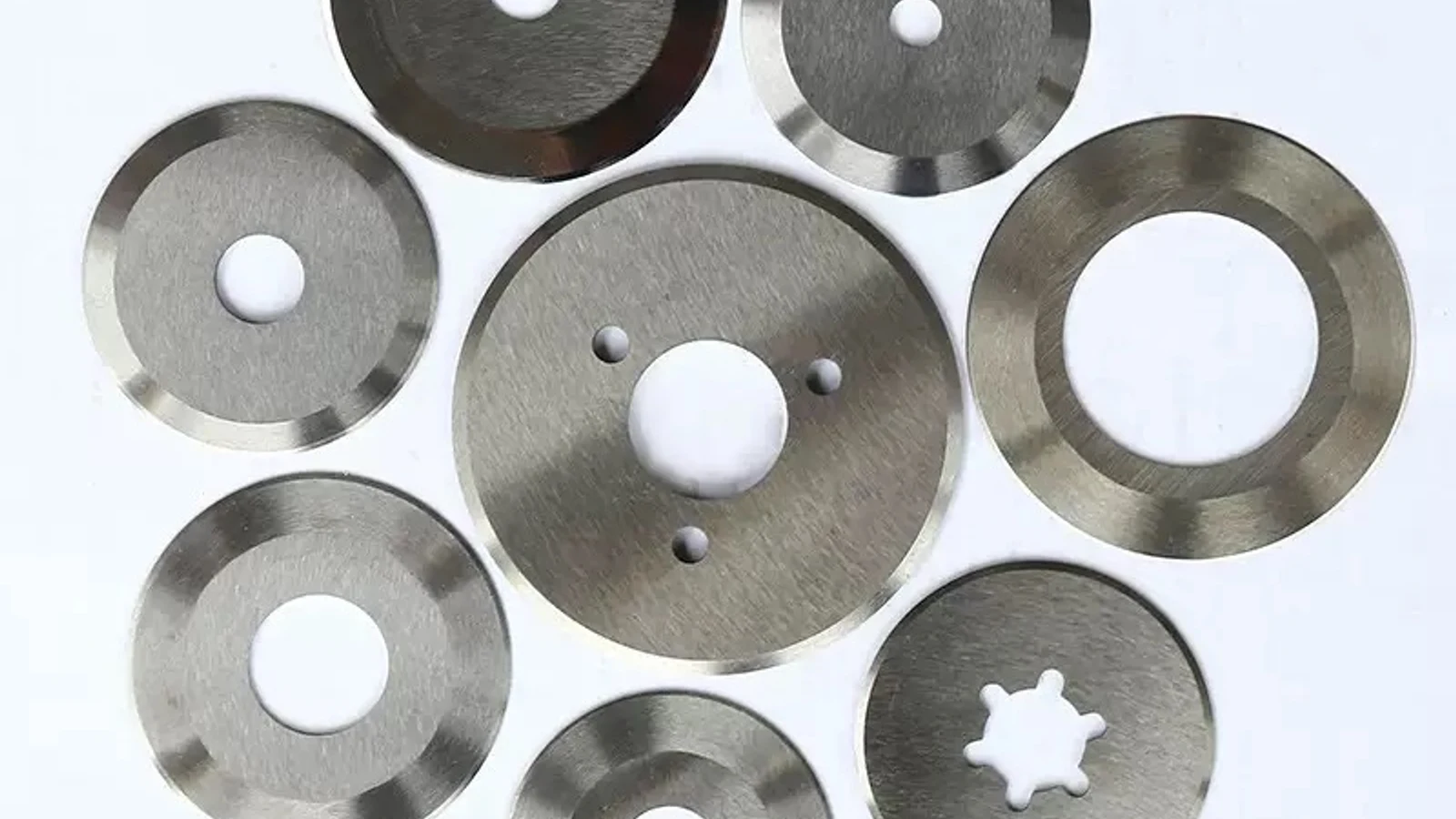
Nonwoven Slitter Knife Contamination: Adhesive Buildup vs. Static — What's Actually Shortening Your Change Interval
Most maintenance teams blame wear when a slitter knife fouls early. Pull the blade and look closely: it's usually one of two very different contamination mechanisms, and each needs a different fix.
TECHNICAL GUIDE
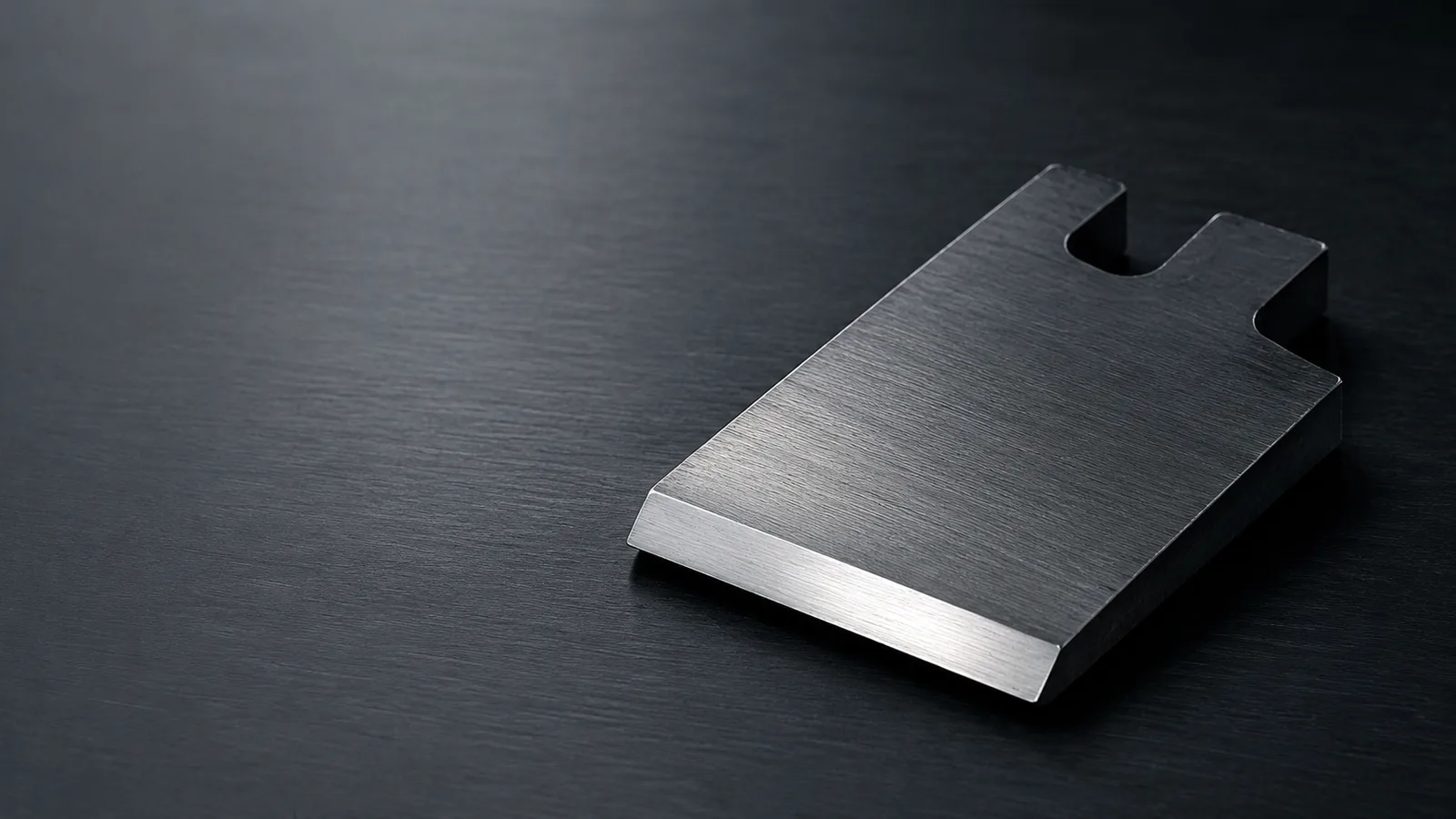
How to Spec Die Face Cutting Knives & Pelletizer Blades: Method, Material, Geometry — In That Order
Most pelletizer blade RFQs open with a steel grade. That's the wrong end of the problem — the pelletizing method decides which grades are even candidates. Here's the order that actually works.
TECHNICAL GUIDE
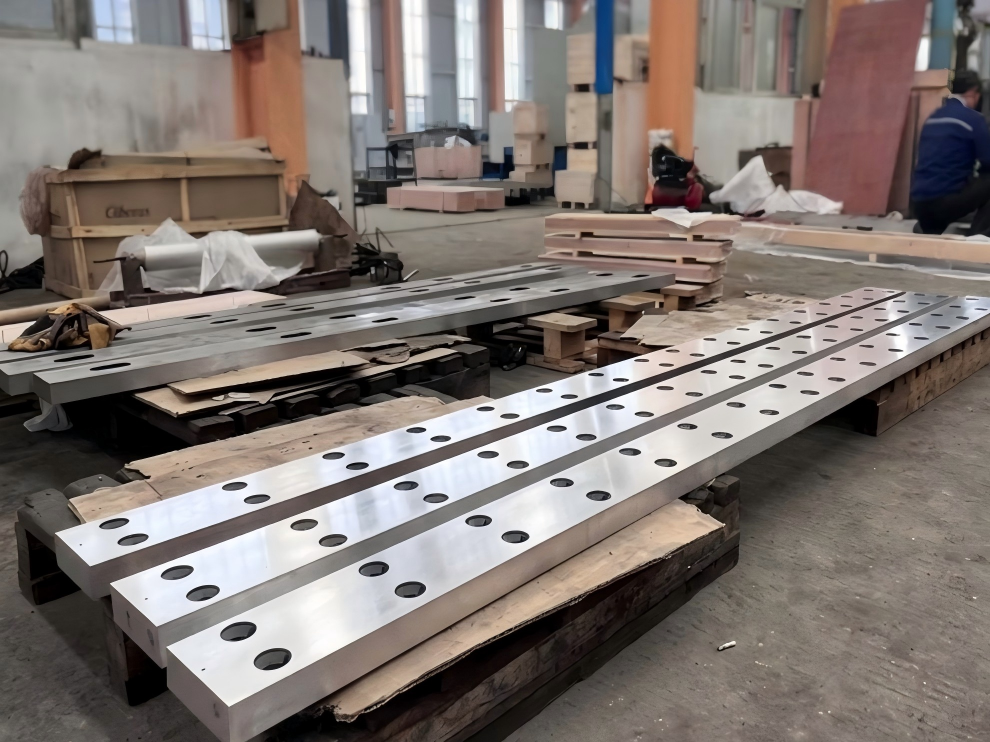
Guillotine Shear Blade Parallelism: Why Compatible Blades Still Cause Taper Cuts
A blade set can fit a machine perfectly — right bolt pattern, right steel grade — and still cut a taper if the ground edge isn't straight along its full length. Here's why parallelism and clearance are different specs, and how to tell which one failed.