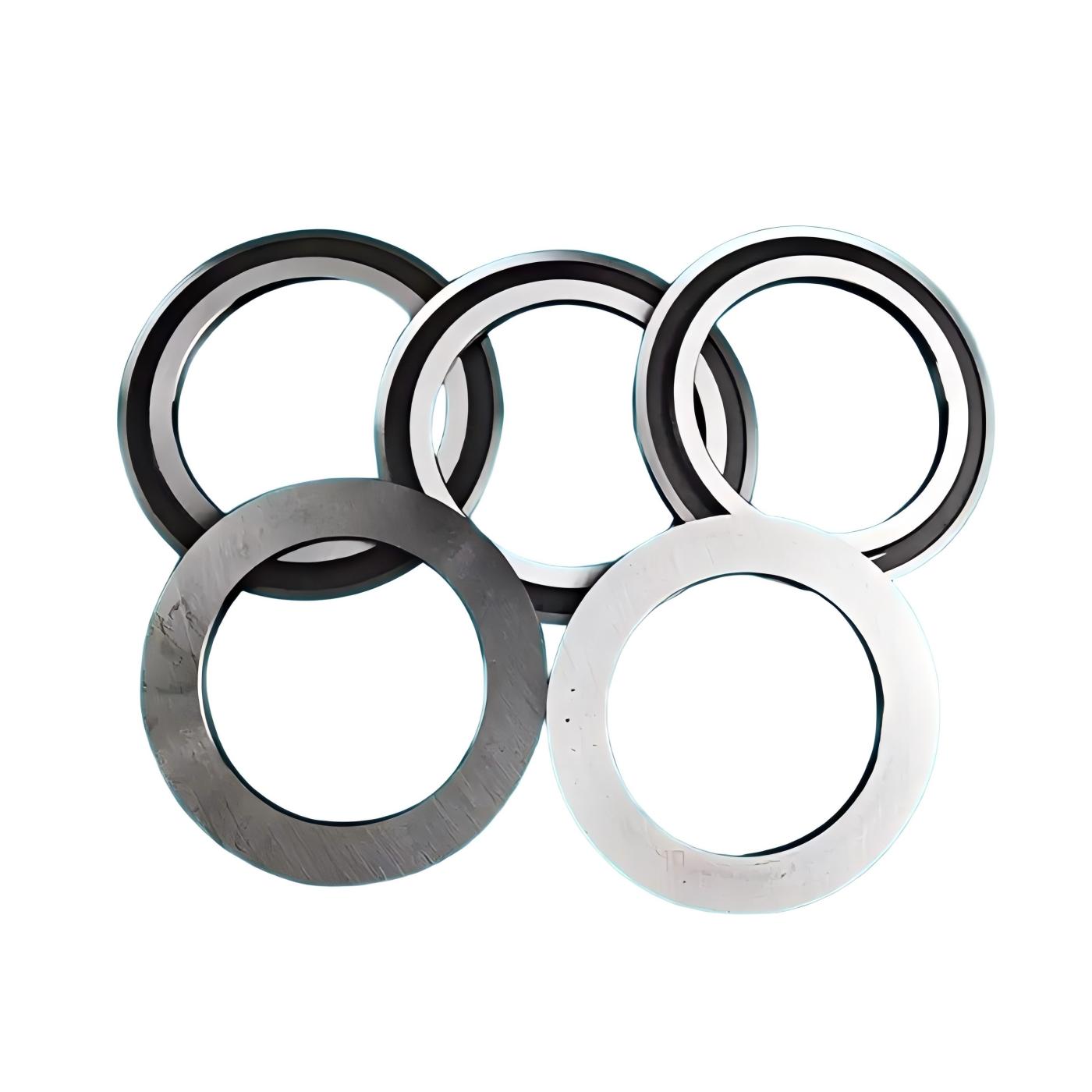
Precision Slitter Knives for Film, Tape & Flexible Packaging Converting
Film & Tape Slitter Knives
Running paper, tissue or board instead of film? See our Paper Slitter Knives page for shear clearance data and regrind intervals on cellulose substrates.
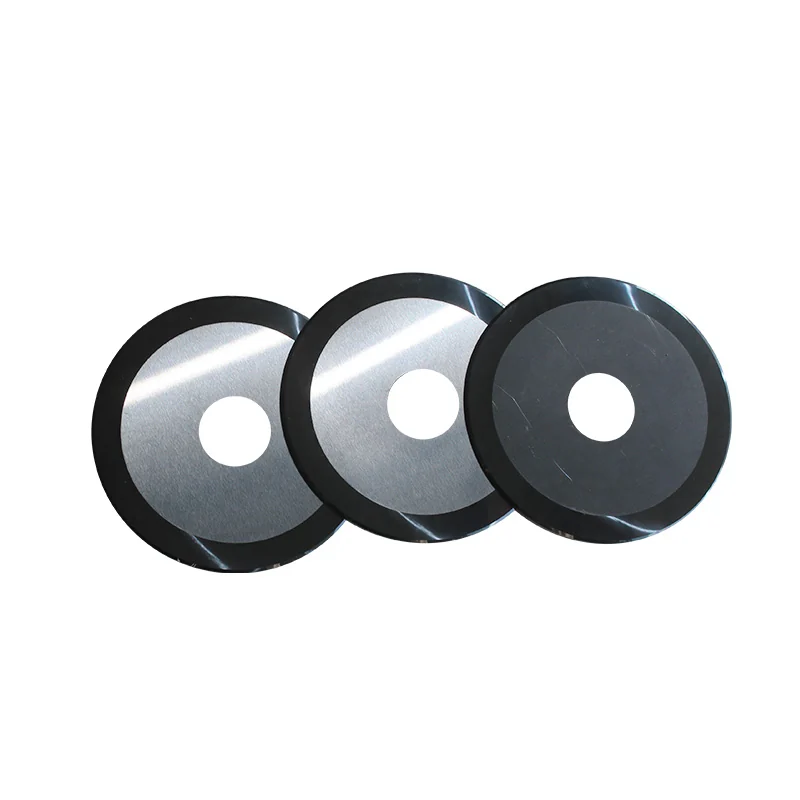
Precision-ground circular slitter blades for BOPP, BOPET & CPP film, PE stretch film, PSA tape & nonwoven converting. ±0.002 mm thickness tolerance, ≤0.02 mm T.I.R. runout. Shear, score & razor profiles in M2 HSS, D2 & ASP23 PM steel with optional TiN & DLC anti-stick coatings. Drop-in OEM fit for Tidland, Kampf, Atlas & Dusenbery slitter systems.
- ■Material: 52100 / D2 / M2 HSS / ASP23 PM / Solid Carbide
- ■Applications: BOPP / BOPET / CPP Film, PE Stretch Film, PSA Tape, Non-Wovens, Flexible Packaging
■ ISO 9001:2015 Certified
■ In-House Heat Treatment
■ Strict Dimensional Tolerances
■ Global Door-to-Door Delivery
[ Engineering Reference ]
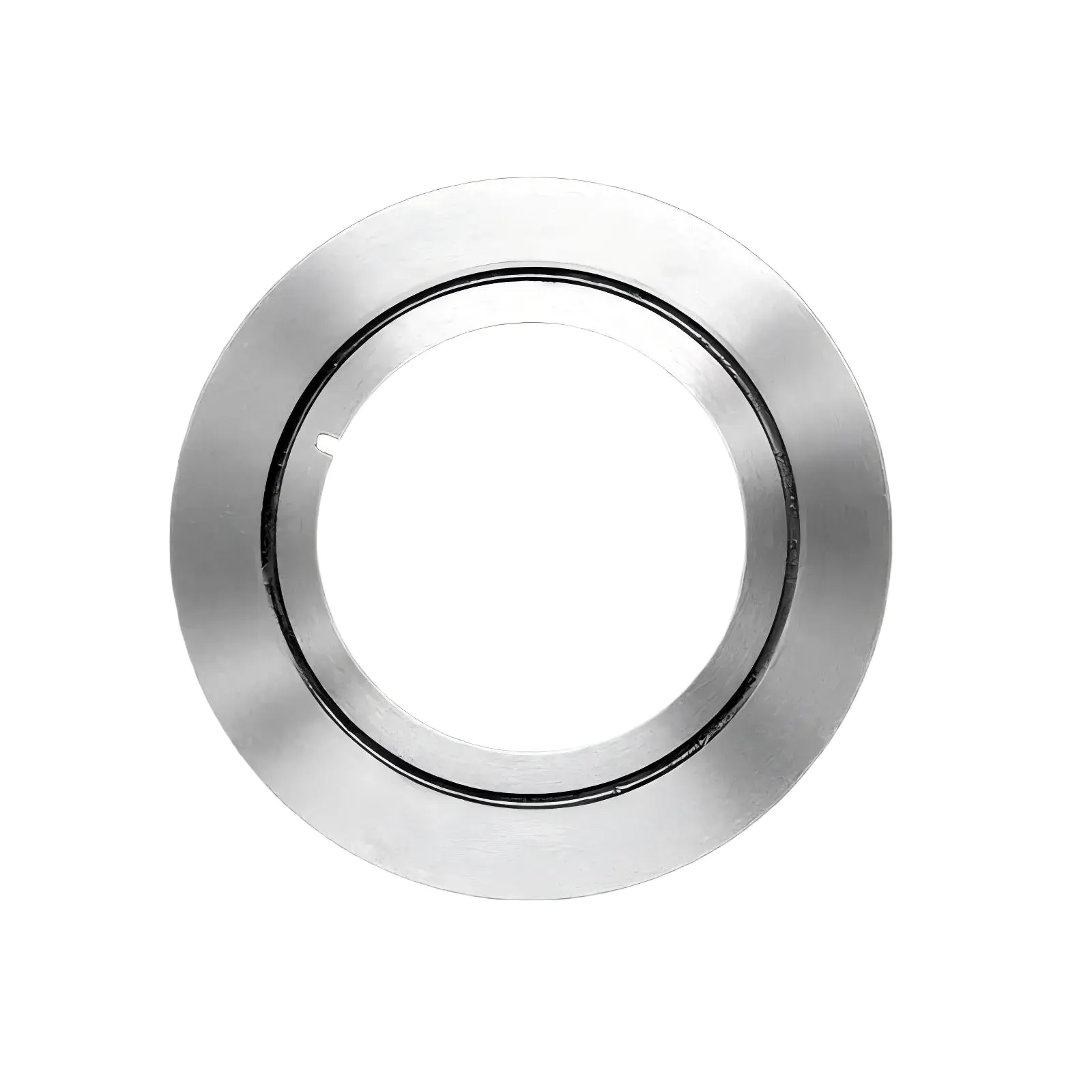
Decisive Specifications
| Material | 52100 / D2 / M2 HSS / ASP23 PM / Solid Carbide |
|---|---|
| Cutting Styles | Shear Slitting, Score / Crush Cutting, Razor Slitting |
| Outer Diameter | 50–200 mm (custom OD available) |
| Tolerance | ±0.002 mm thickness | ≤0.02 mm T.I.R. runout |
| Coatings | TiN, DLC, Teflon, CrAlN (optional) |
| Applications | BOPP / BOPET / CPP Film, PE Stretch Film, PSA Tape, Non-Wovens, Flexible Packaging |
■ All values verified via CMM inspection · ISO 9001:2015
[ RFQ Prompt ]
Need a Specific Size or OEM Replacement?
Don't see your exact specs? Send us a blueprint, a worn sample, or just your machine model. Our team will review the details and provide a tailored quotation.
[ Standard Reference ]
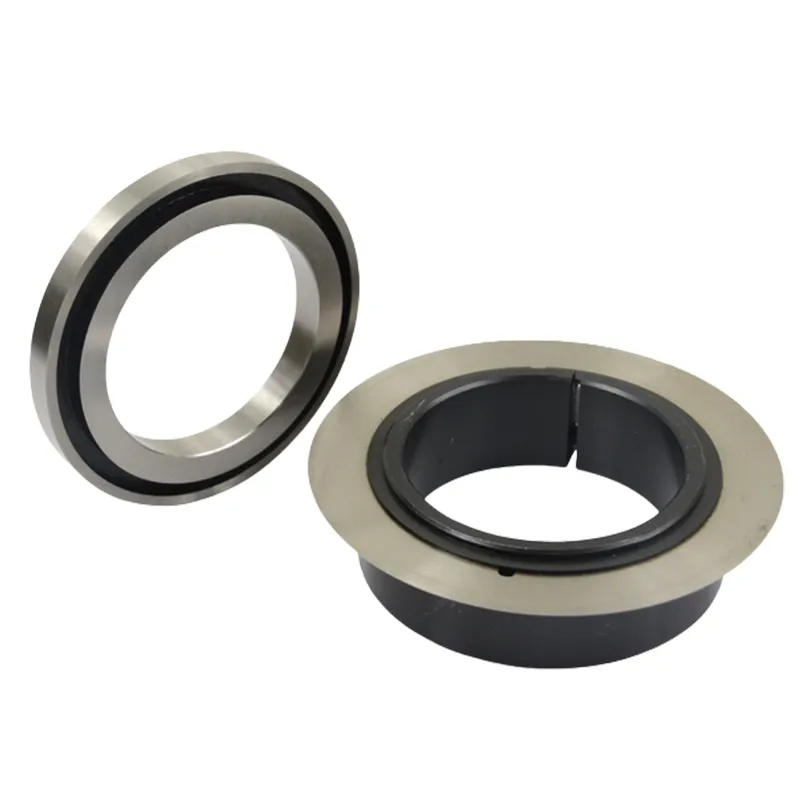
Common Standard Dimensions
| Blade Type / Application | OD (mm) | ID (mm) | Thickness (mm) |
|---|---|---|---|
| Top Blade — Tidland / Atlas | 75 | 25.4 | 1.0 / 1.2 |
| Bottom Anvil — Tidland / Atlas | 70 | 25.4 | 8 / 10 |
| Top Blade — Kampf / Dusenbery | 100 | 32 | 1.2 / 1.5 |
| Bottom Anvil — Kampf / Dusenbery | 80 | 60 | 16 / 20 |
| Top Blade — Goebel / BHS / Agnati | 118 | 80 | 1.2 / 2.0 |
| Bottom Anvil — Goebel / BHS / Agnati | 100 | 70 | 16 / 20 |
[ OEM Compatibility ]
Compatible Machine Brands
® Registered trademarks are property of their respective owners. Sureay supplies compatible replacement blades — not OEM-branded parts.
[ Technical Audit ]
Engineering Advantages
Application-Specific Tool Steels
Material matched to your web. 52100 carbon steel for standard packaging film liners and coated substrates; M2 HSS for abrasive plastic films; ASP23 PM or solid carbide for silica-coated release liners and fiberglass-reinforced laminates. Every grade stocked and ready for fast-turn OEM delivery.
Anti-Stick PVD Coatings
TiN and DLC coatings reduce surface adhesion by up to 80%, eliminating adhesive build-up on blade faces during PSA tape and adhesive-laminate slitting. Lower friction means cooler running, longer edge life, and fewer cleaning stops per shift.
Optimized Edge Geometries
Single bevel, double bevel, and blunt-edge profiles engineered for shear pairs, crush/score anvil cutting, and razor trim. Profiled for your line speed and web tension — specify cutting method and substrate and we match the geometry.
[ System Inventory ]
Related Blade Categories
View All →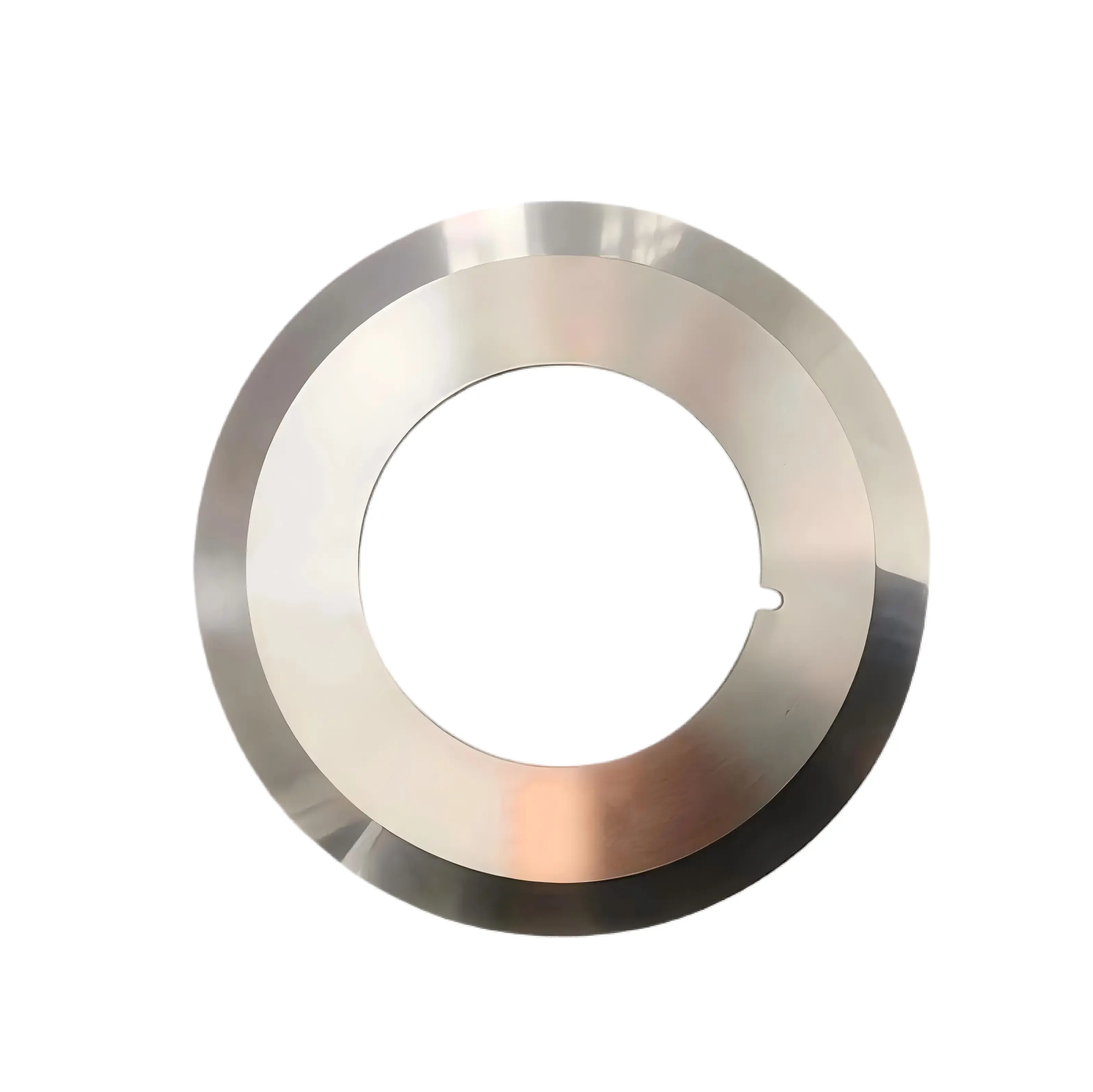
[ Knowledge Base ]
Product FAQs & Buying Guidance
Technical FAQs
01What thickness tolerance should I specify for blades on a multi-knife arbor stack?
+−
What thickness tolerance should I specify for blades on a multi-knife arbor stack?
For shear slitting of flexible films and foils, specify ±0.002 mm thickness tolerance and ≤20.02 mm T.I.R. runout. A 0.005 mm error per blade compounds across a 12-knife stack, producing visible slit-width deviation and web tension spikes. We grind every blade to these tolerances and verify on a CMM before dispatch.
02What is ‘over-speed ratio’ for top/bottom shear knives and why does it matter?
+−
What is ‘over-speed ratio’ for top/bottom shear knives and why does it matter?
Over-speed ratio is the intentional rotational speed differential between the top knife arbor and bottom anvil arbor—typically set at 2–5% above web speed. This differential creates a micro-shear action at the cut point, producing a cleaner edge and reducing heat build-up versus a purely tangential cut. At higher over-speed ratios cut quality improves but edge wear accelerates; at zero differential the blade acts more like a crush cutter. Your slitter OEM specifies the designed over-speed ratio; we supply matched pairs optimized for that setting.
03How do I prevent adhesive film transfer and build-up on slitter blade faces?
+−
How do I prevent adhesive film transfer and build-up on slitter blade faces?
Adhesive build-up on blade faces increases friction, raises web temperature, and causes material transfer contamination. We offer TiN (titanium nitride) and DLC (diamond-like carbon) PVD coatings that reduce surface adhesion by up to 80%, extending clean-running intervals on pressure-sensitive tape and adhesive laminate slitting applications.
04When should I upgrade from D2 to powder-metallurgy (PM) steel for flexible film slitting?
+−
When should I upgrade from D2 to powder-metallurgy (PM) steel for flexible film slitting?
PM steel (ASP23, ASP52) is recommended when slitting highly abrasive flexible substrates such as fiberglass-reinforced packaging films, silica-coated release liners, or ceramic-filled barrier films. These materials exceed the abrasion ceiling of D2 within a single production run due to hard mineral filler particles. PM grades deliver uniform carbide distribution and 50–80% longer edge life on highly abrasive flexible substrates.
05What surface coating is best for slitting pressure-sensitive adhesive tapes at high speed?
+−
What surface coating is best for slitting pressure-sensitive adhesive tapes at high speed?
DLC (diamond-like carbon) PVD coating is the top specification for double-coated foam tape and transfer adhesive slitting. It reduces contact angle on the blade face by approximately 35° versus uncoated D2, maintaining consistent slip through 8–12 hour production runs without cleaning stops. TiN is effective for single-faced masking tape and lightly adhesive label stock at a lower coating cost.
06Can Sureay supply matched top and bottom knife pairs verified to a specified shear clearance?
+−
Can Sureay supply matched top and bottom knife pairs verified to a specified shear clearance?
Yes. Matched shear pairs—dished top blade and grooved anvil bottom blade—are supplied with knife-to-knife clearance pre-verified against your substrate specification. We record OD, ID, thickness, and designed shear clearance for each matched pair on an engineering data sheet that ships with the tooling, allowing line operators to replicate the clearance setting on every reinstallation.
07What blade edge geometry is recommended for slitting meltblown nonwoven fabric without fiber fraying?
+−
What blade edge geometry is recommended for slitting meltblown nonwoven fabric without fiber fraying?
For meltblown and spunbond nonwoven fabrics (8–80 GSM), specify a positive rake angle (15°–20°) with Ra ≤0.4 μm surface finish. This geometry shears through the loose fiber structure cleanly without lateral fiber displacement that causes frayed edges. For very lightweight meltblown (<15 GSM), an optional ESD (electrostatic discharge) coating prevents static-induced fiber attraction to the blade face.
Why Choose Sureay
01Are you a trading company or a direct manufacturer?
+−
Are you a trading company or a direct manufacturer?
We are a 100% direct OEM manufacturer established in 2008. When you buy from Sureay, you bypass middleman markups and communicate directly with the engineers who forge and grind your blades.
02What makes Sureay’s heat treatment different from cheaper alternatives?
+−
What makes Sureay’s heat treatment different from cheaper alternatives?
Unlike standard quenching, every Sureay blade undergoes deep cryogenic treatment after vacuum hardening. This transforms retained austenite into martensite, boosting wear resistance by up to 40% and ensuring uniform hardness across the entire cutting edge.
03Do you ship globally and how long does it take?
+−
Do you ship globally and how long does it take?
Yes, we export to over 50 countries. Standard OEM replacement blades typically ship within 48 hours. Custom profiles take 10–15 working days. We partner directly with DHL, FedEx, and international sea freight forwarders for reliable door-to-door delivery.
04What quality certifications does Sureay hold, and can you provide material test reports?
+−
What quality certifications does Sureay hold, and can you provide material test reports?
Sureay is ISO 9001:2015 certified. Every shipment includes a Rockwell HRC hardness test report, a dimensional inspection record, and a heat treatment batch certificate. For OEM qualification, full CMM dimensional reports and steel mill certificates are available on request.
05Can we trial a sample set before committing to a full production order?
+−
Can we trial a sample set before committing to a full production order?
Yes. We offer sample sets (typically 2–5 blades) for machine fit verification and edge life testing. Standard sample lead time is 5–7 working days. For custom profiles, dimensional sign-off samples are produced before full production commences—no tooling commitment until fit is confirmed.
Reach Our Team
Get in Touch with Our Engineers
Contact Our Team
Discuss your requirements directly with our engineers.
Request a Quote
Our engineering team responds within 2 hours.