
Custom Manufacturer · Drawings Welcome
Precision Industrial Blades & Knives, Made to Outlast
Sureay custom-engineers blades and knives — plus cast wear parts for concrete and asphalt mixers — matched to your machine, material, and duty cycle. Send us your drawings or a worn sample and we'll confirm fit before we cut steel.
The definitive OEM source for precision blades
and cutting solutions.
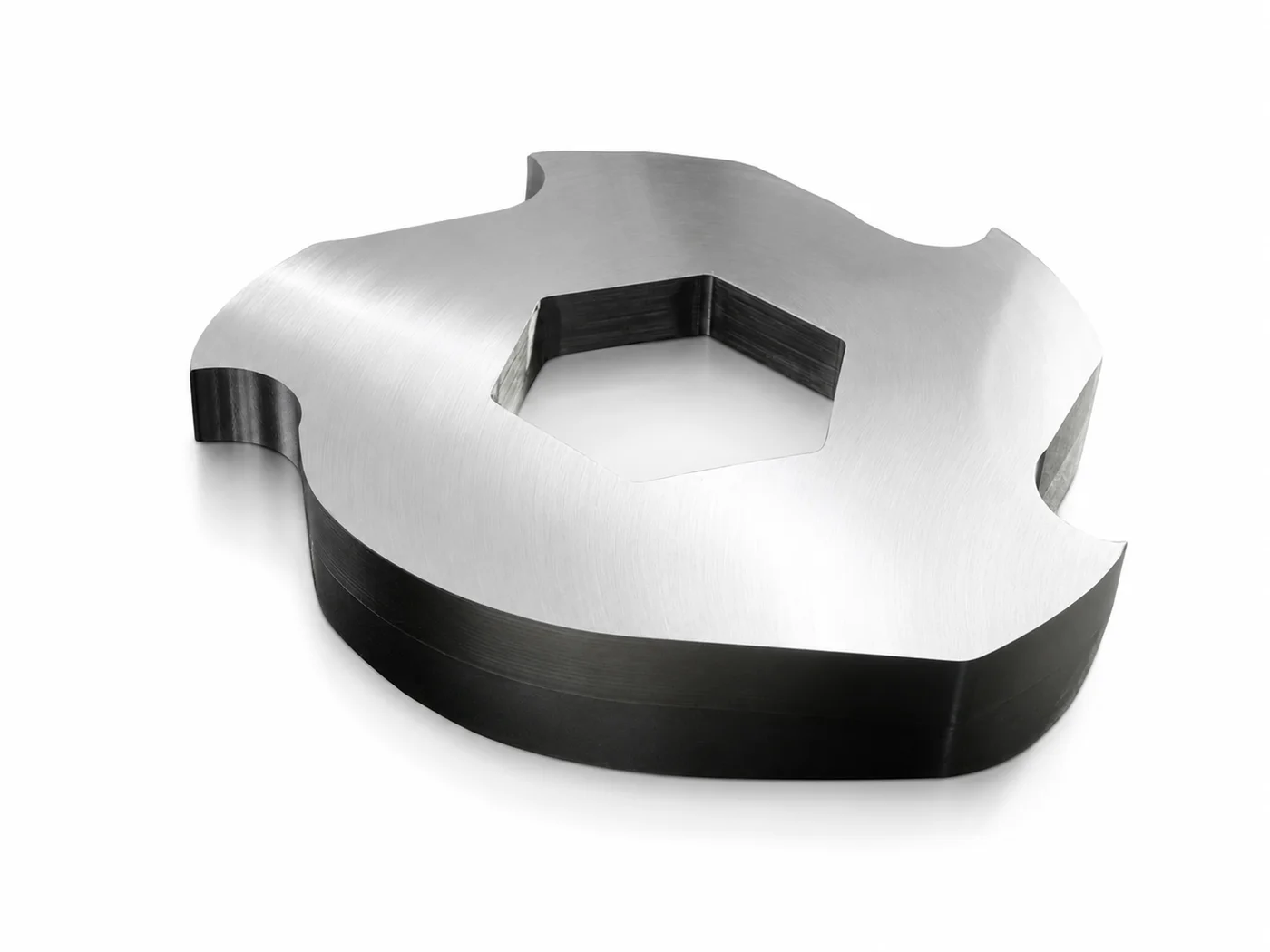
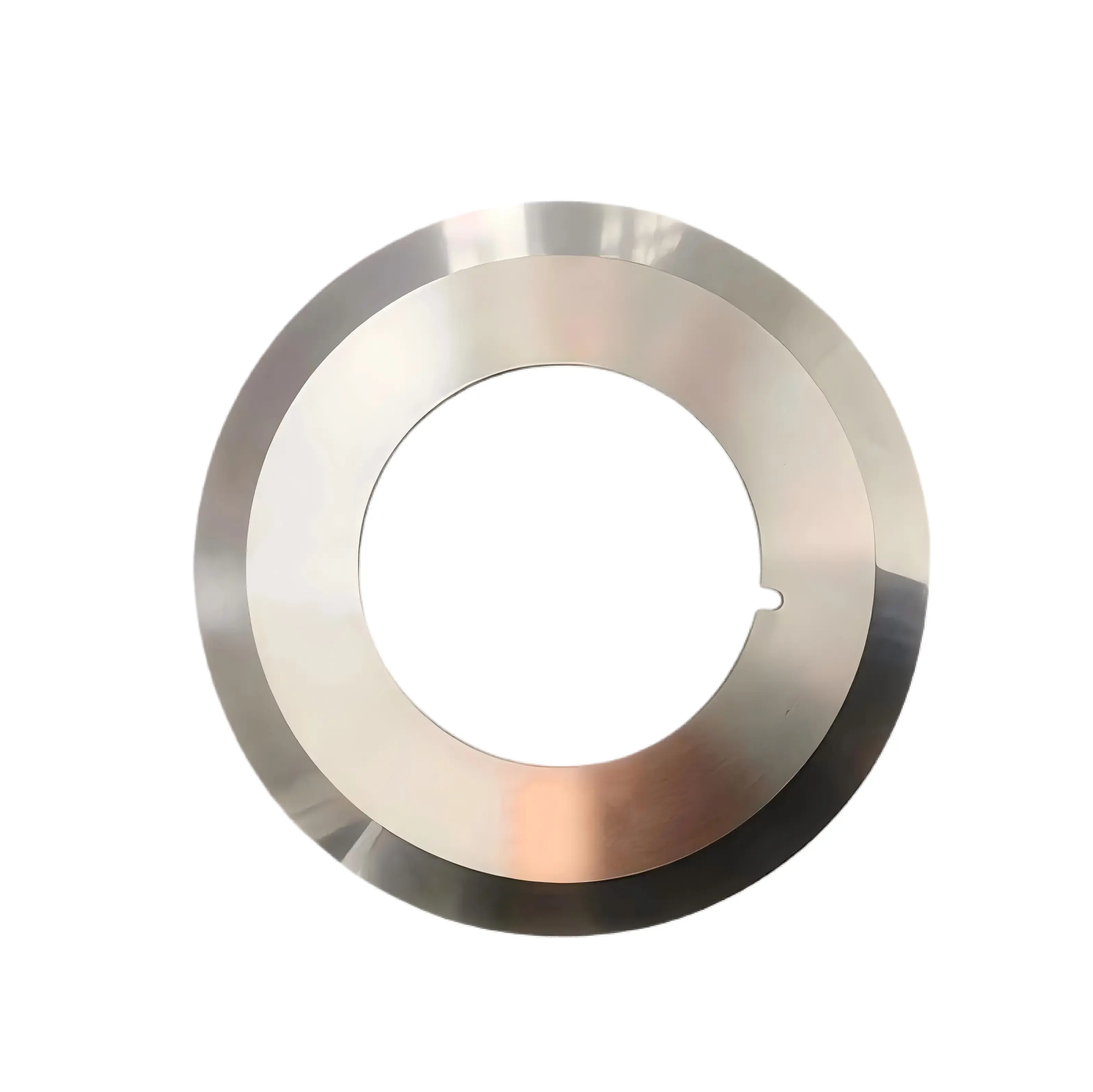
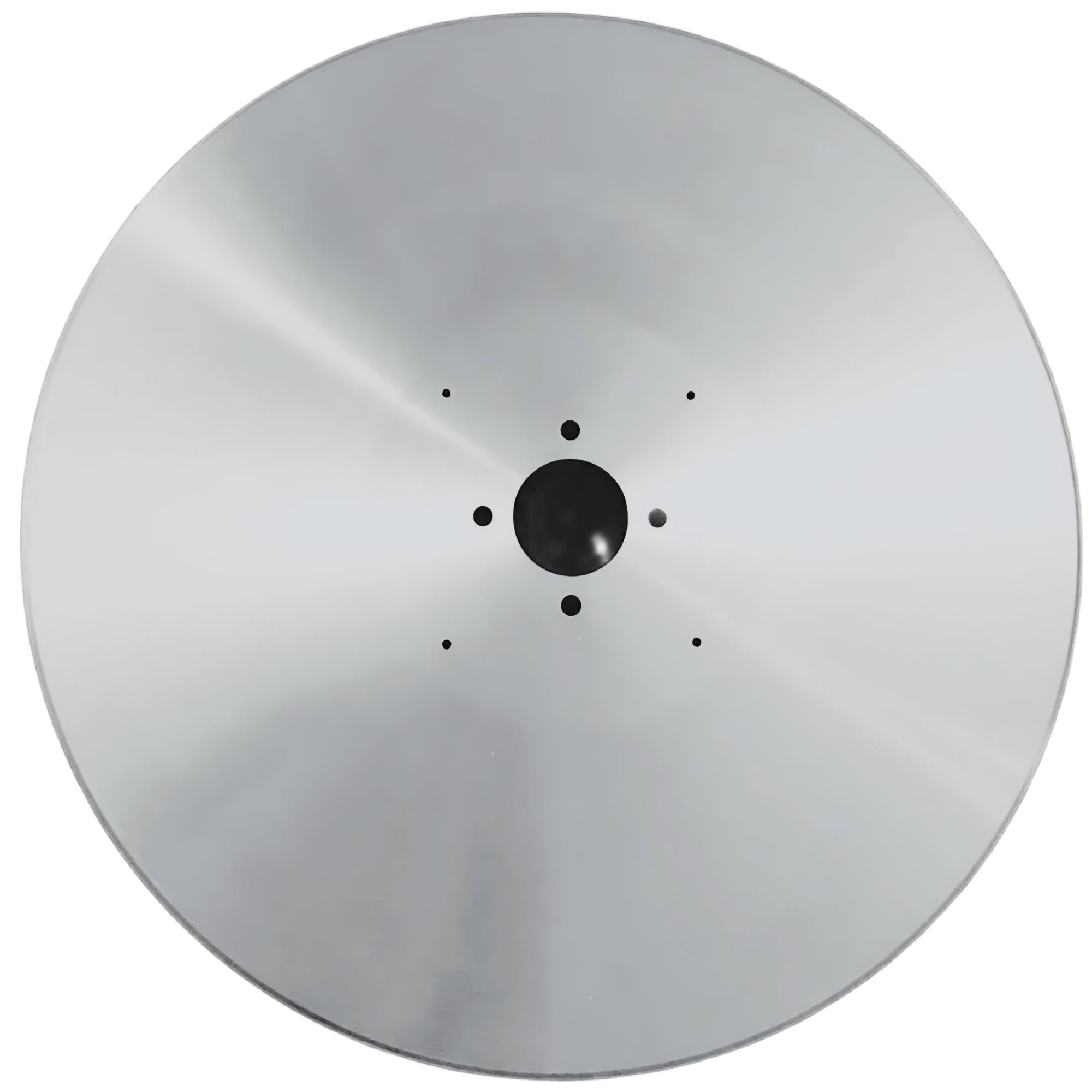

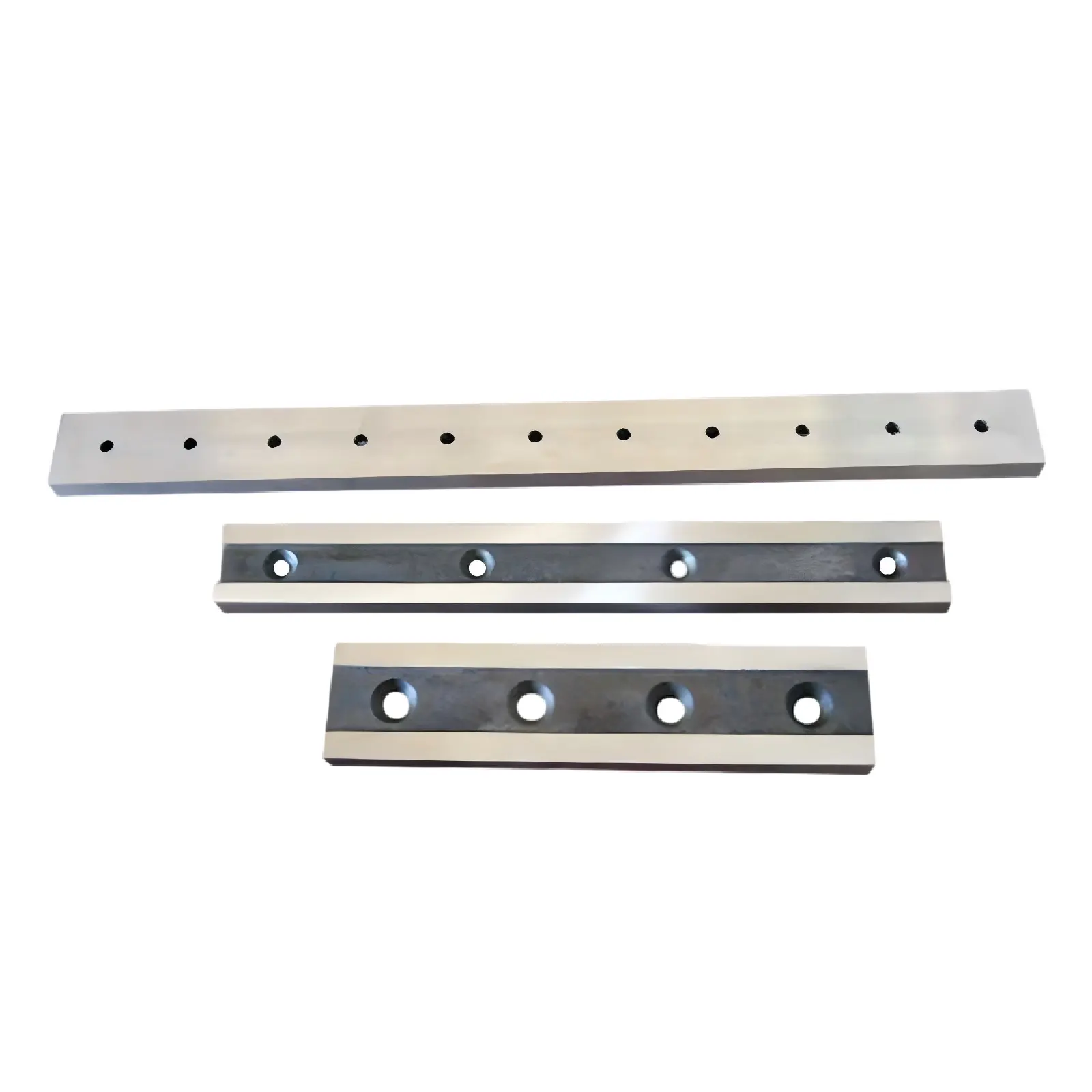
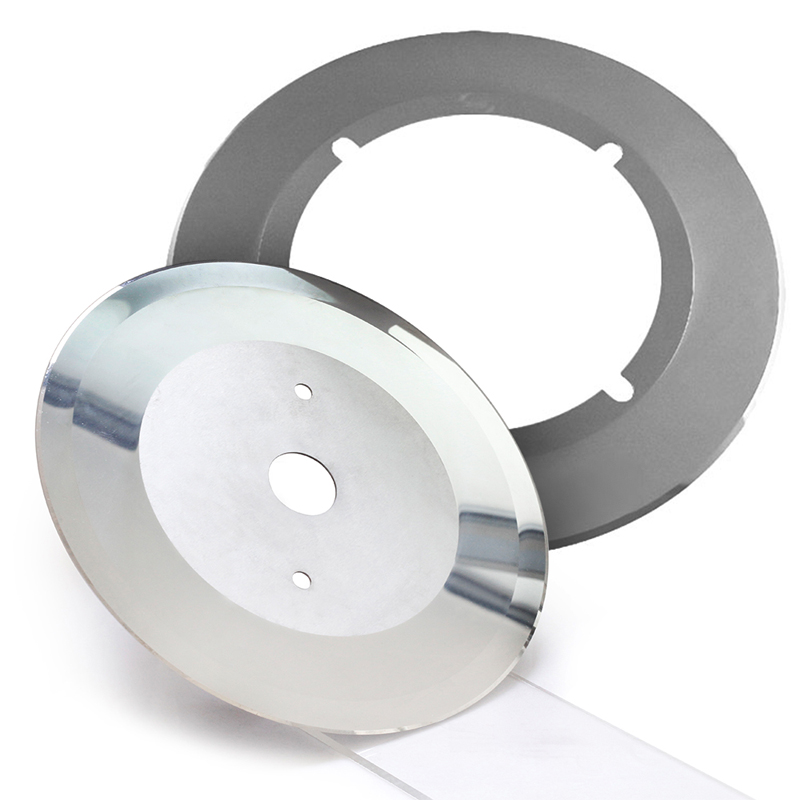
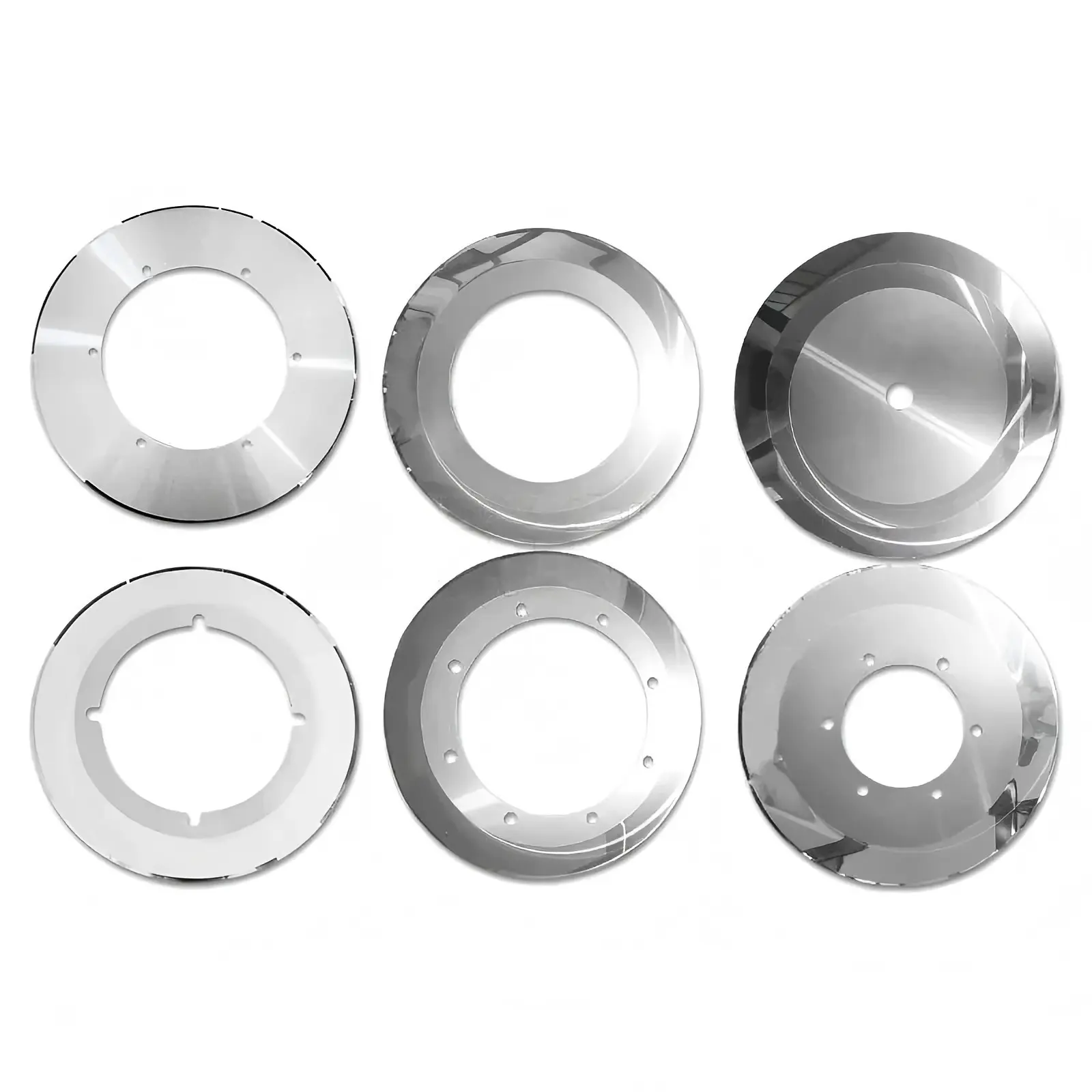
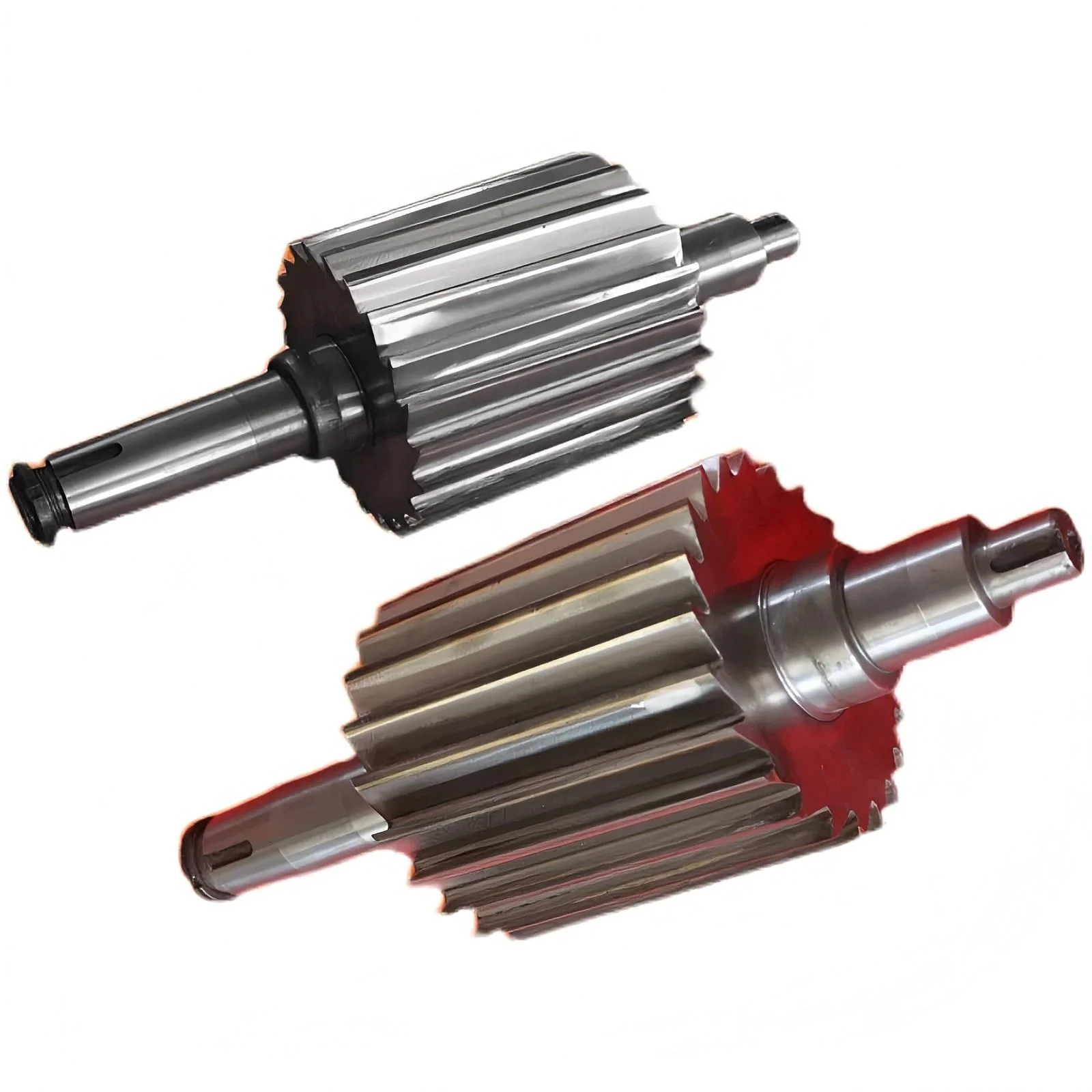
Markets We Serve
Choose Your Industry.
Find Your Blade.
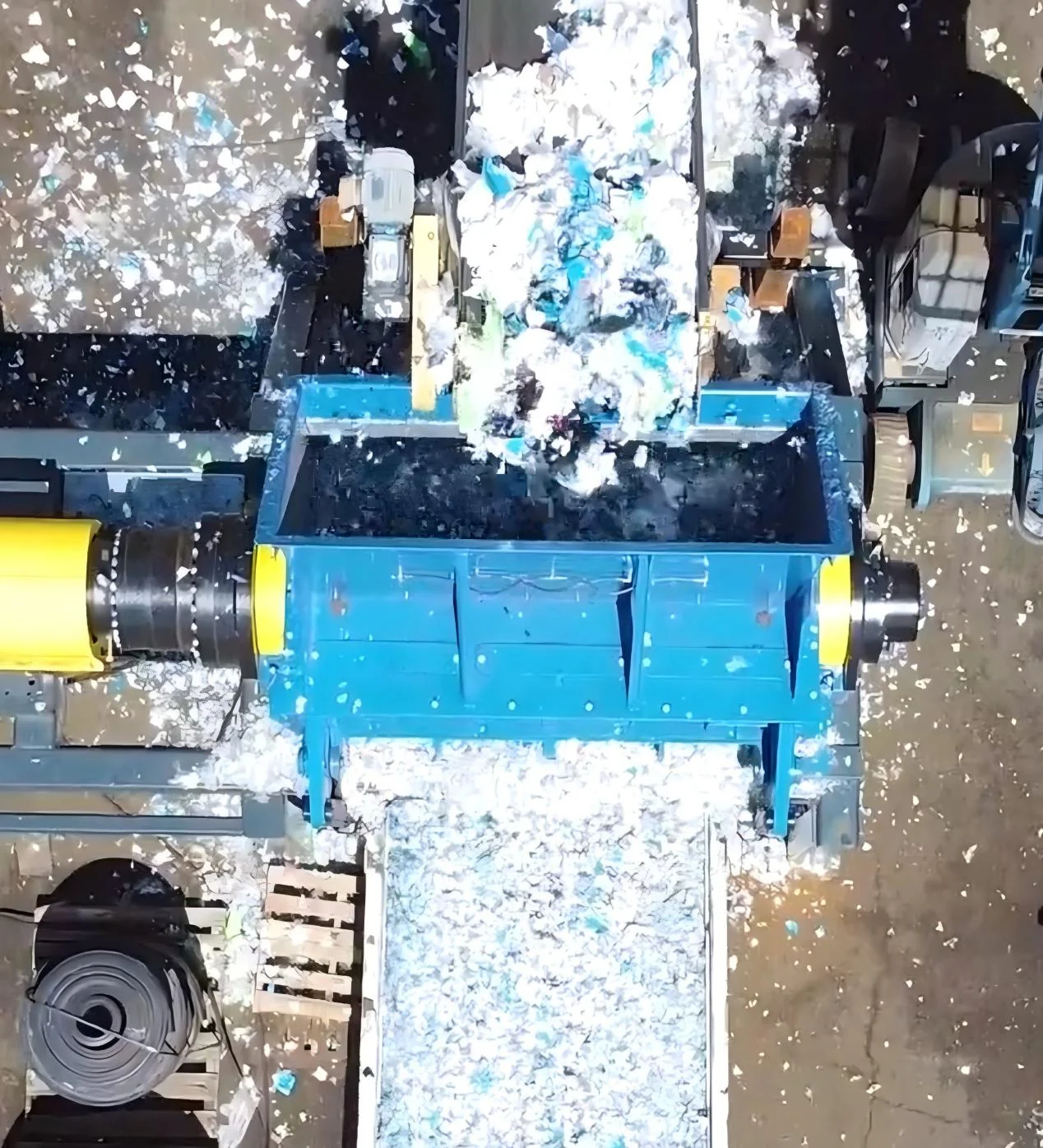
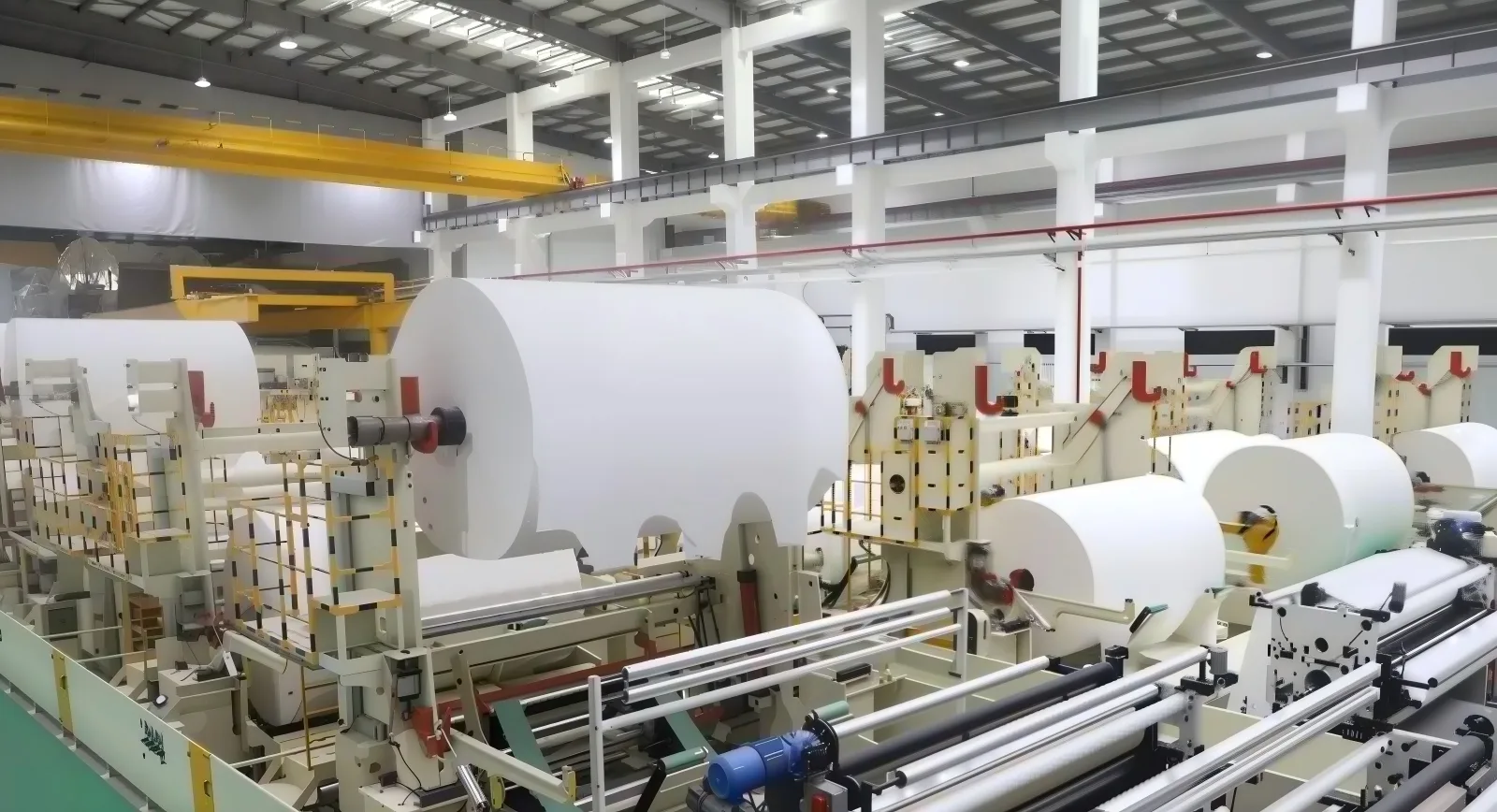
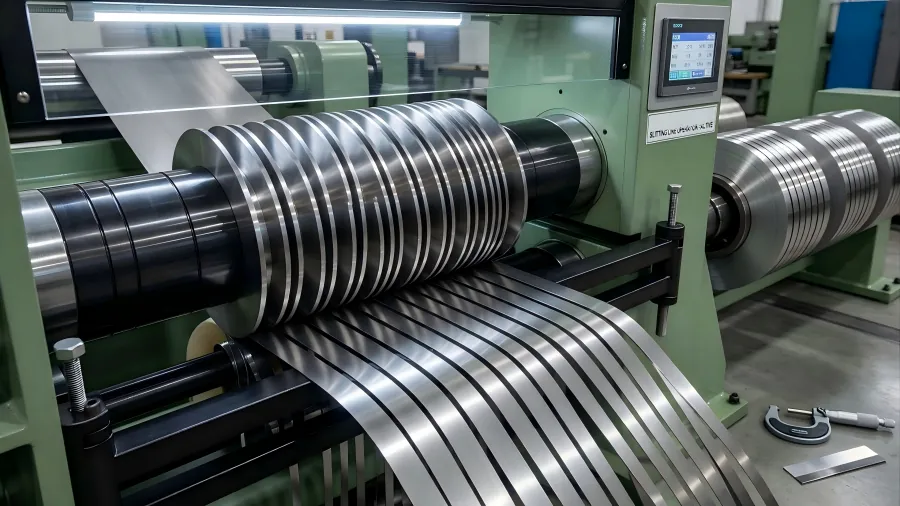
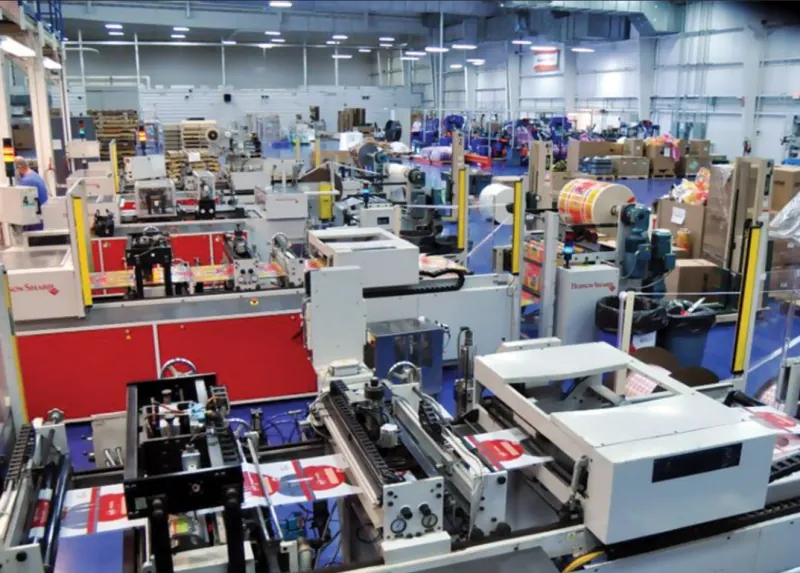
Select your application below to explore blade materials, OEM compatibilities, and cutting solutions tailored to your production line.
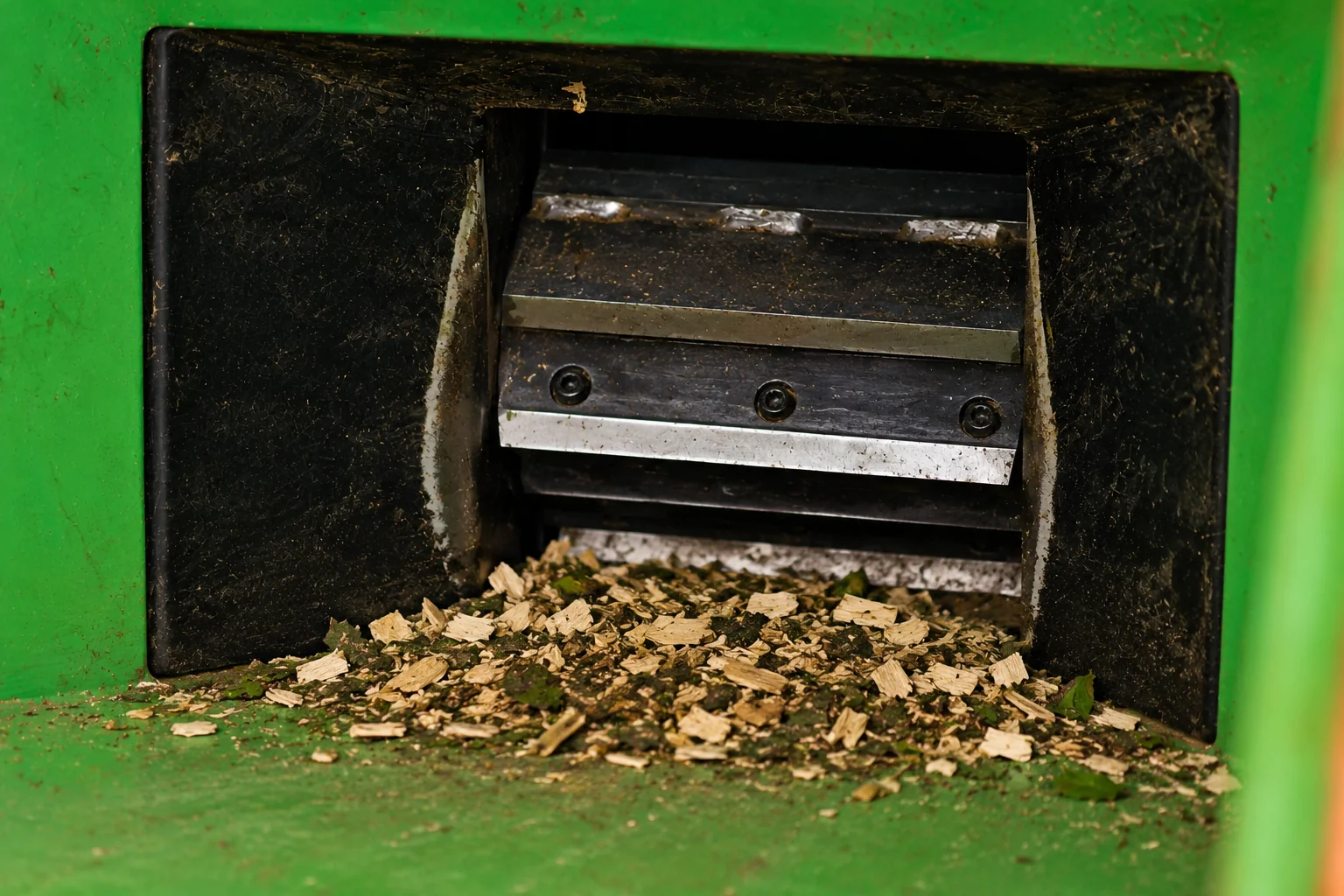
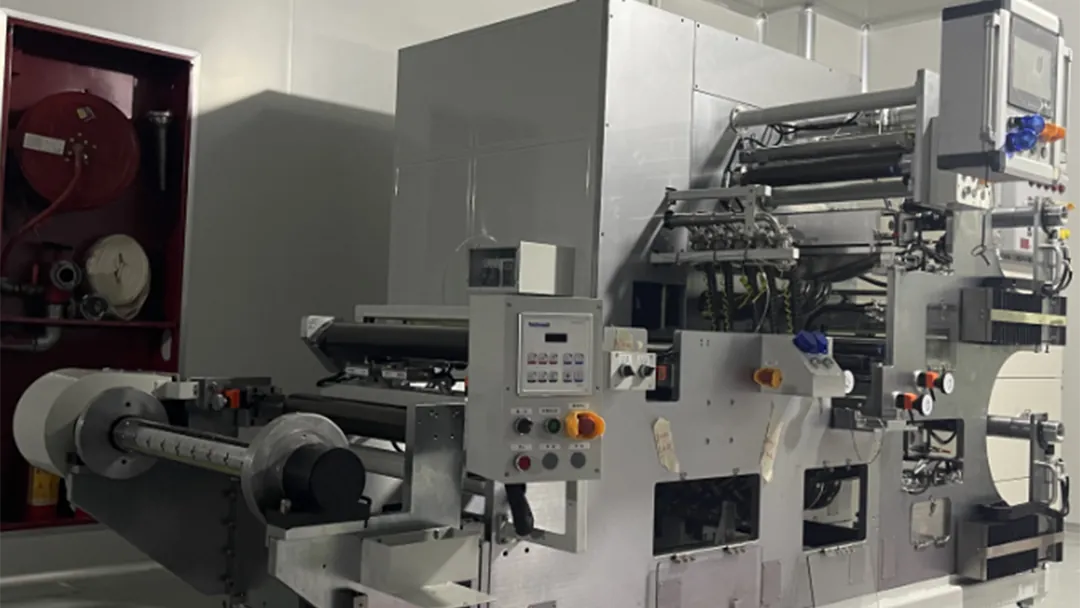
Beyond Blades
Concrete & Asphalt
Mixing Plant Wear Parts
Cast mixing arms, liners, scrapers and blades in Ni-Hard and high-chromium iron — OEM-fit replacements that drop into the plant you already run.

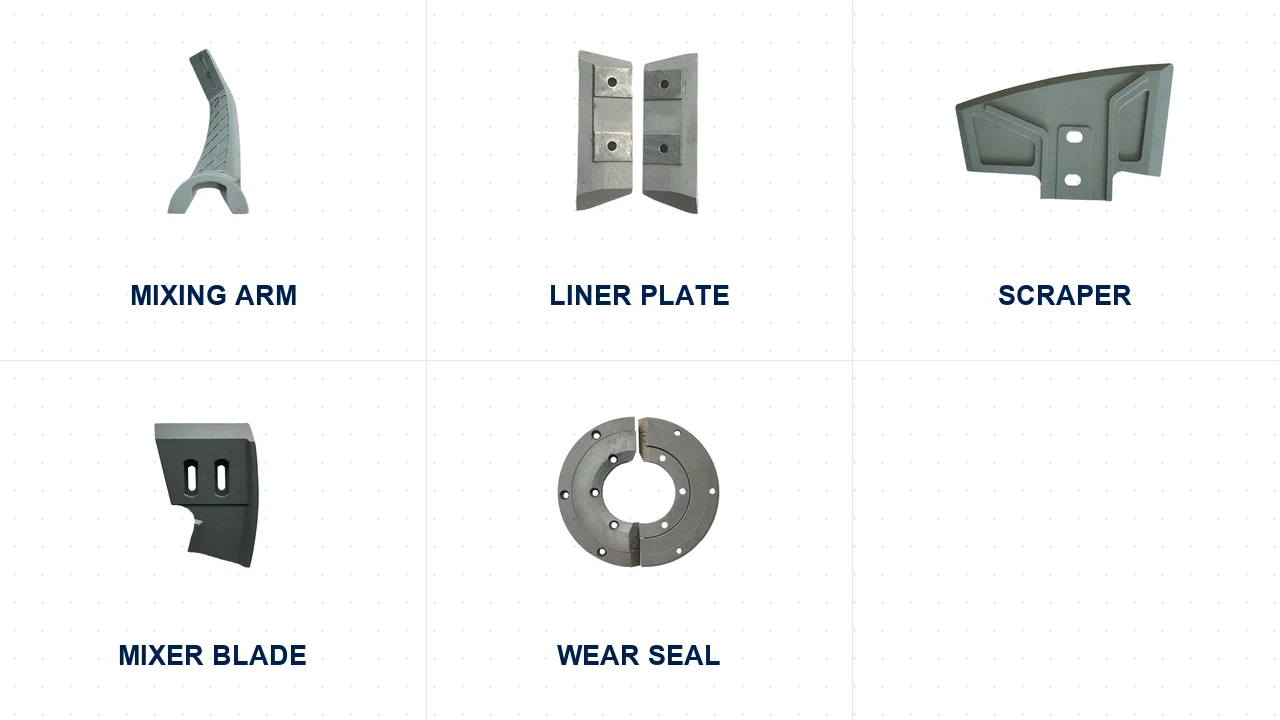
Concrete Mixing Plant Parts
OEM-fit replacement wear parts for Sicoma, Liebherr & MEKA concrete mixers — arms, liner plates, scrapers in Ni-Hard & high-chrome iron.
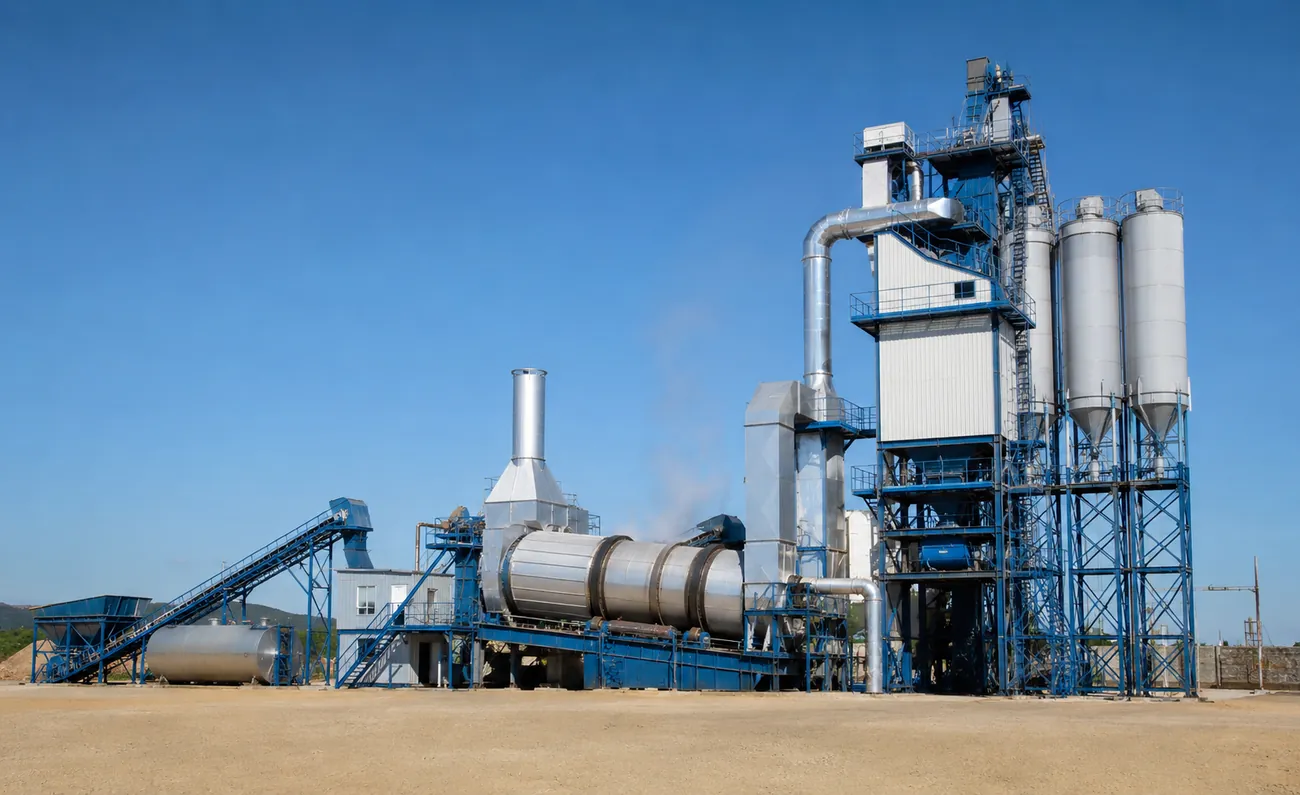
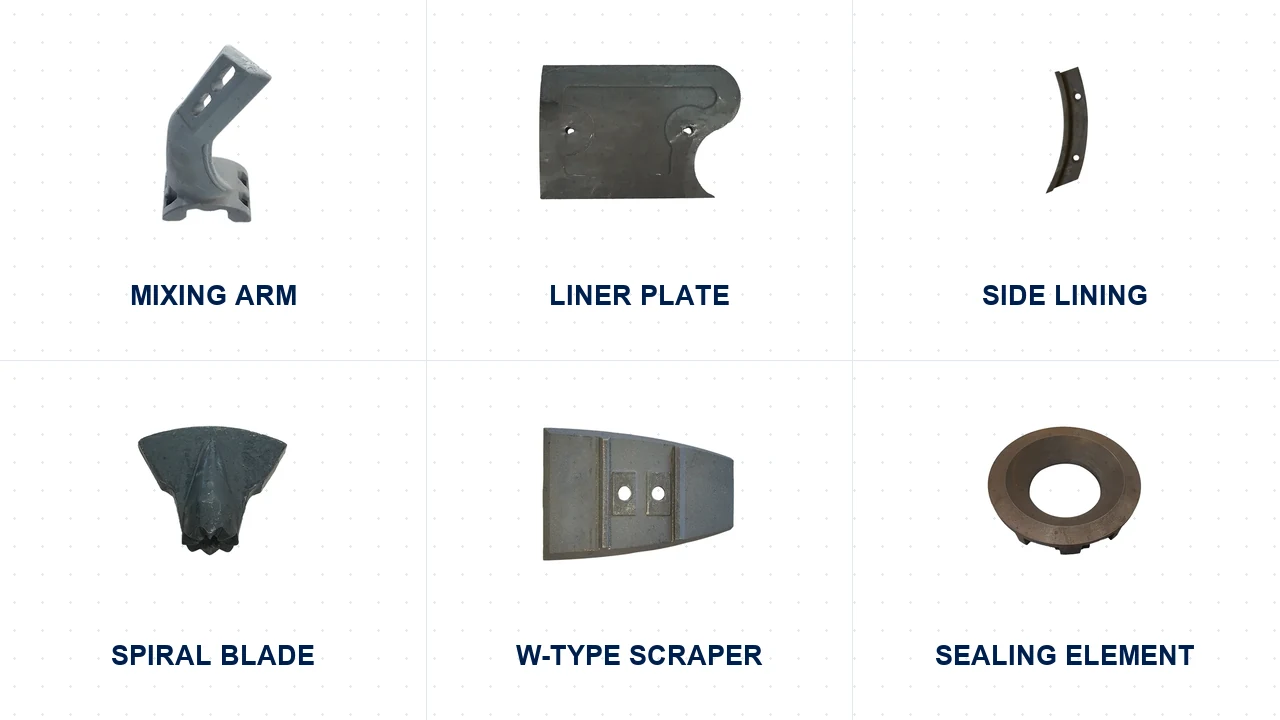
Asphalt Mixing Plant Parts
Complete asphalt plant wear parts — arms, liners, spiral blades & scrapers for Ammann, Marini, Benninghoven, MEKA, Astec. ISO 9001:2015, factory-direct.
Engineering Confidence
The Engineering Standards Behind Our Blades
We eliminate the guesswork from industrial sourcing. Every Sureay blade guarantees exact OEM fitment, strict dimensional tolerances, and metallurgy optimized for your real-world cutting conditions.
Advanced Manufacturing
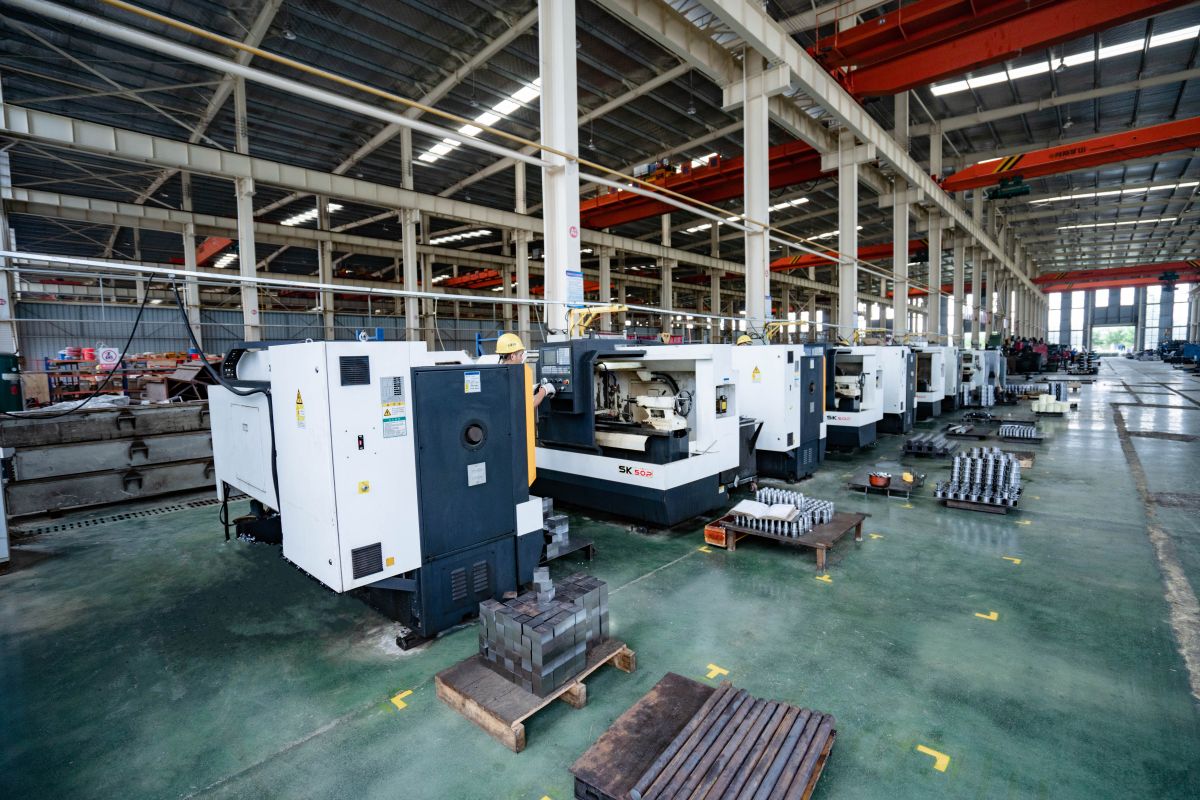
Controlled Machining For Stable Fit And Geometry
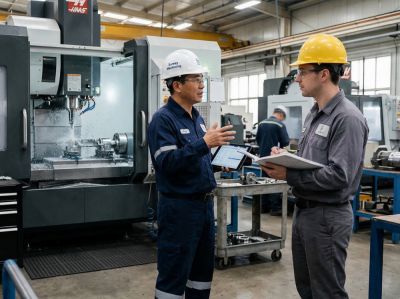
When you are replacing OEM blades or qualifying a new supplier, the first question is simple: will the geometry and fit stay consistent from one batch to the next?
5-axis CNC machining and profile grinding keep bevels, edge alignment, and overall geometry repeatable from prototype through repeat production.
In-house vacuum heat treatment and final grinding help control distortion before shipment, reducing fit problems and uneven wear in service.
Inspection Assurance
Tolerance Control That Lowers Replacement Risk
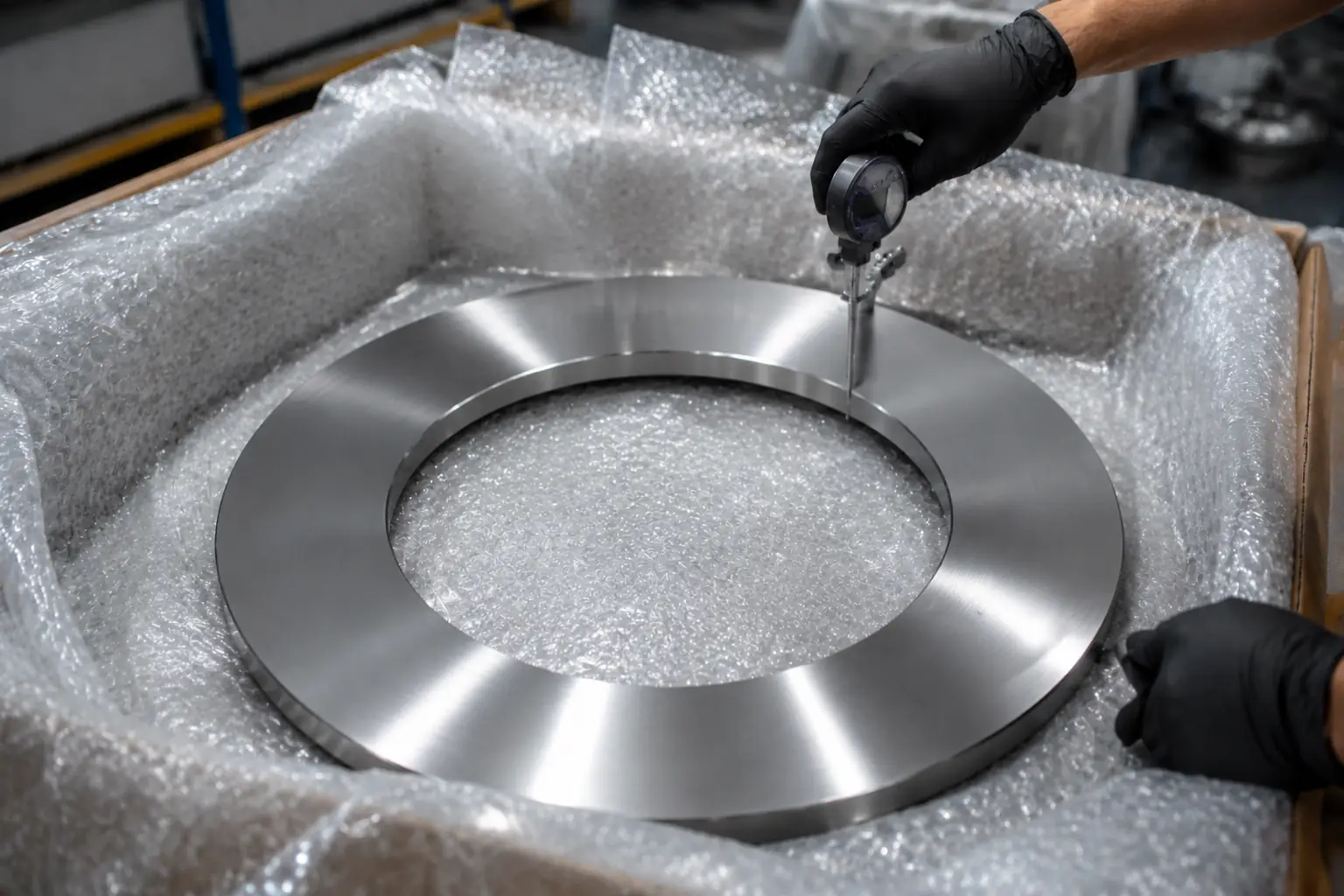
A replacement blade should not create uncertainty on the shop floor. You need confidence that it will install correctly and run without extra adjustment time.
CMM inspection and optical verification are completed before release, so dimensional compliance is confirmed rather than assumed.
Where the application requires it, edge tolerances can be held down to ±0.002 mm to support high-speed drop-in replacement requirements.
Application Engineering
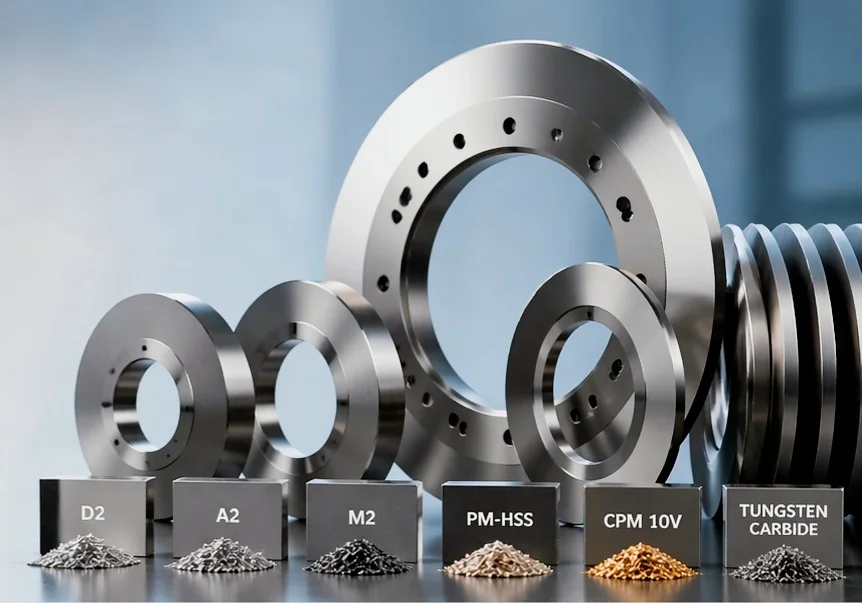
Material Selection Based On Real Cutting Conditions
Blade performance is rarely decided by the catalog name alone. Abrasion level, impact load, line speed, and finish requirement usually matter more.
We match steel grade and heat treatment to the actual operating condition, whether the line is converting tissue, shredding plastics, or slitting metal coils.
The result is a recommendation aimed at longer regrind intervals, more predictable blade life, and fewer avoidable replacements.
OEM Custom Manufacturing
From Drawing To Delivery
GET IN TOUCHFour clear steps: you know what to send, what we confirm, and what gets checked before shipment.
Send Drawing Or Sample
Send your drawing, used sample, machine model, or key dimensions. We review the application, blade geometry, material being cut, and any known fit or wear issues from your current supplier.
Engineering Review
Our engineers confirm steel grade, heat treatment direction, tolerance target, edge profile, and all OEM-fit details. Any open questions are resolved before quotation or production approval is issued.
Machining And Hardening
The blade moves into CNC machining, vacuum heat treatment, and precision grinding in a controlled sequence. Each stage is tracked against the approved specification to prevent distortion and geometry drift.
Inspection And Shipment
Final dimensions, hardness, and edge condition are verified against specification before dispatch. The order is packed and shipped with the required inspection records, and material certification documents.
Send Drawing Or Sample
Send your drawing, used sample, machine model, or key dimensions. We review the application, blade geometry, material being cut, and any known fit or wear issues from your current supplier.
Engineering Review
Our engineers confirm steel grade, heat treatment direction, tolerance target, edge profile, and all OEM-fit details. Any open questions are resolved before quotation or production approval is issued.
Machining And Hardening
The blade moves into CNC machining, vacuum heat treatment, and precision grinding in a controlled sequence. Each stage is tracked against the approved specification to prevent distortion and geometry drift.
Inspection And Shipment
Final dimensions, hardness, and edge condition are verified against specification before dispatch. The order is packed and shipped with the required inspection records, and material certification documents.
Customer Trust
What Our Customers Say – Trusted by Manufacturers Worldwide
“The engineering support and consistent product quality from Sureay has been instrumental in our shift to automated production lines. Their responsiveness is unmatched.”
Mark T.
Production Manager, EU Recycling Plant
“Their expertise in metallurgy provided a blade solution that lasted 50% longer than our previous supplier. We saw significant savings in downtime and replacement costs.”
Kevin L.
Procurement, Film Converting Line
RFQ Support
Questions Teams Ask Before Sending A Blade Inquiry
Most RFQs start with the same practical questions: what information to send, how material is selected, what tolerance can be held, and how quickly a custom order can move.
Common Questions
RFQ Questions
Straight answers to the questions that usually come up before a drawing is sent, a tolerance is confirmed, or a custom quotation is requested.
Knowledge Hub
News & Articles
TECHNICAL GUIDE
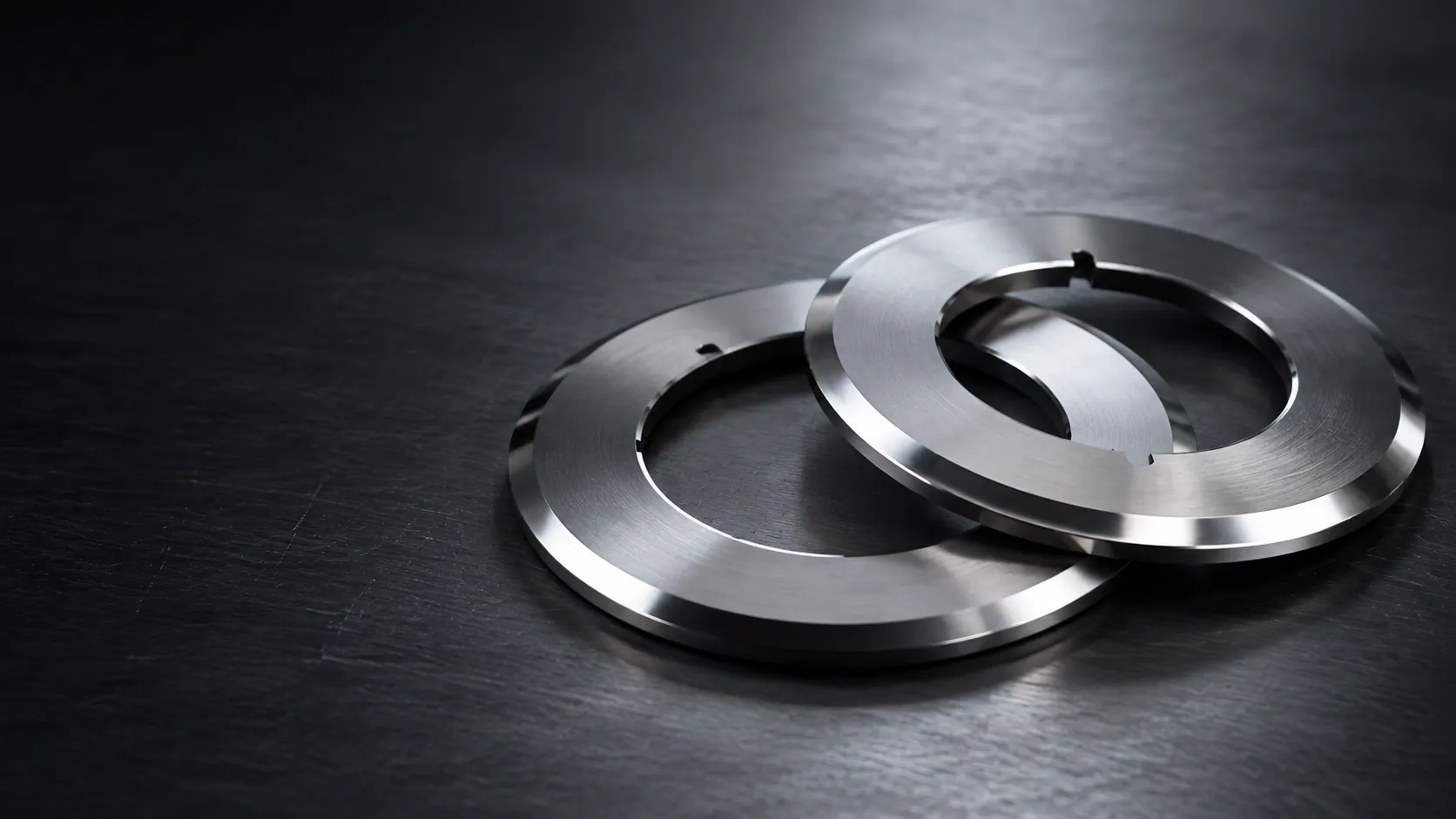
Rotary Slitter Knife Overspeed: How to Set It—and When the Blade Is the Real Problem
A practical guide to checking rotary slitter knife overspeed, diagnosing poor slit quality after speed is verified, and deciding when a worn knife should be reground or replaced.
TECHNICAL GUIDE
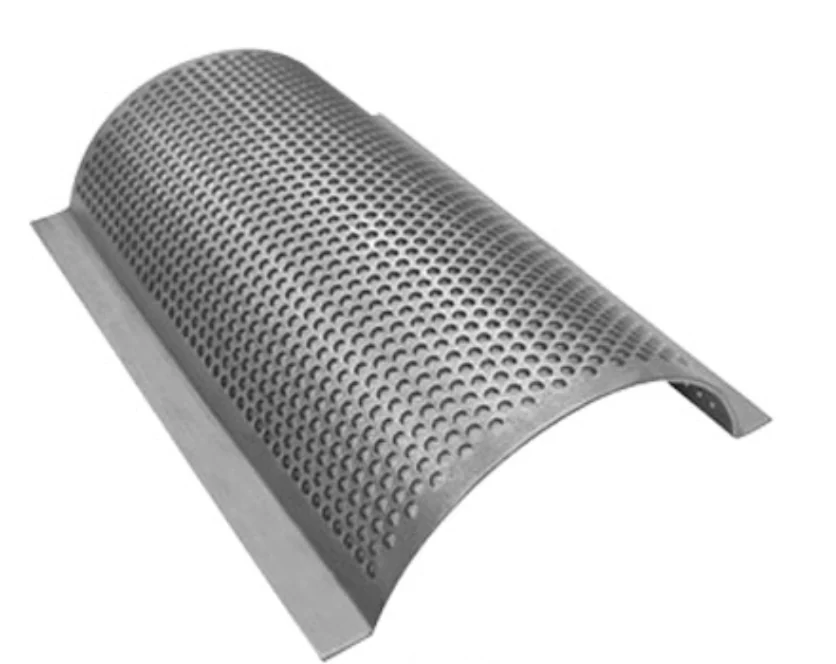
Shredder Screen Hole Size vs Blade Configuration: Why Output Size Is Not Set by Blades Alone
If a recycling line is making oversize pieces or too many fines, the blade is only one suspect. Screen hole size, rotor bite, counter-knife clearance, and feed behaviour decide the real output size together.
TECHNICAL GUIDE
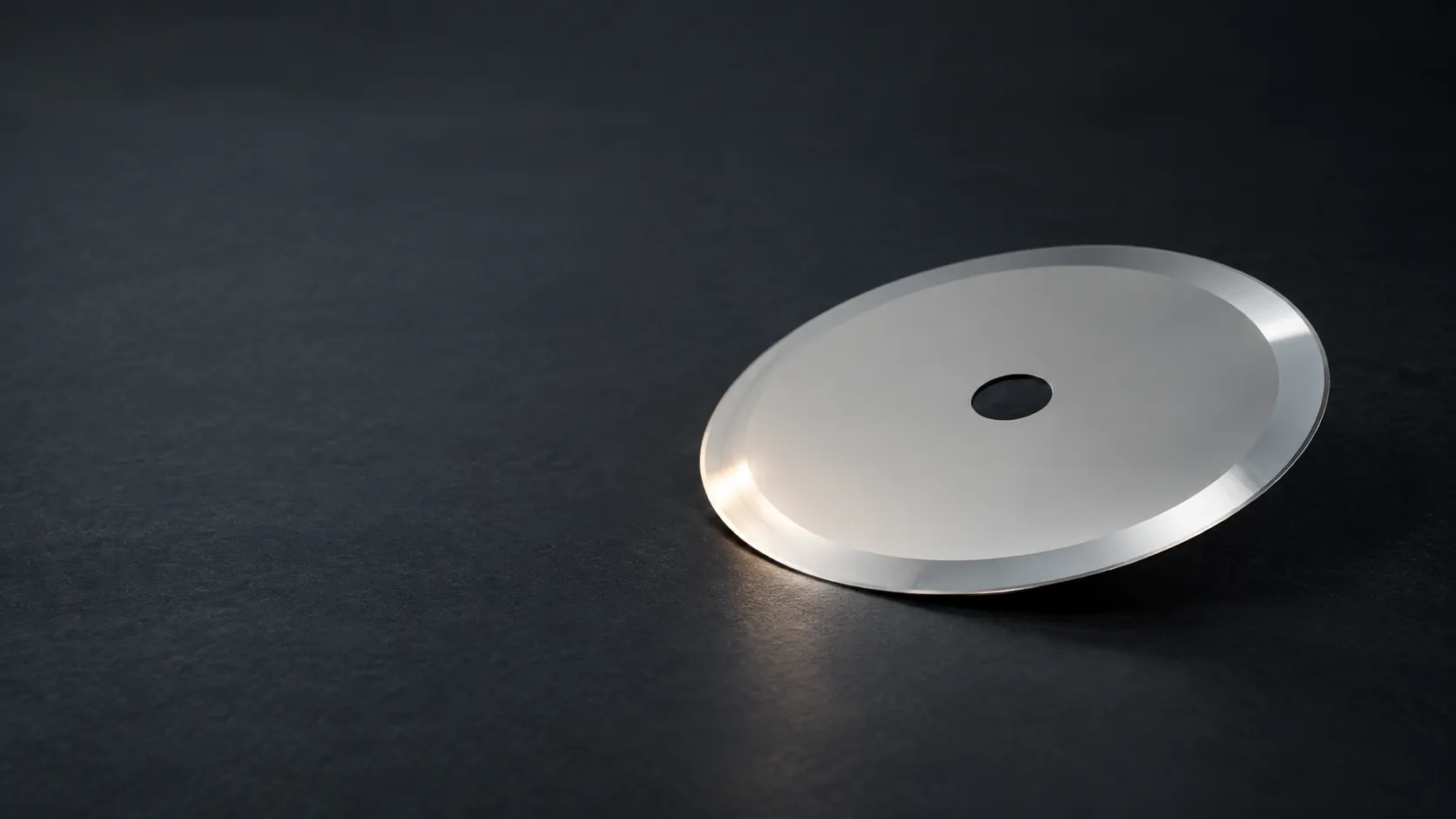
It's the Glue, Not the Blade: Why Paper Straw Ends Fray
Four blades in one shift and the ends still fray. On a paper straw line the usual cause is water-based adhesive building a ridge on the blade face, not a worn edge. How to tell the difference in one shift.
Reach Our Team
Get in Touch with Our Engineers
Contact Our Team
Discuss your requirements directly with our engineers.
Request a Quote
Our engineering team responds within 2 hours.