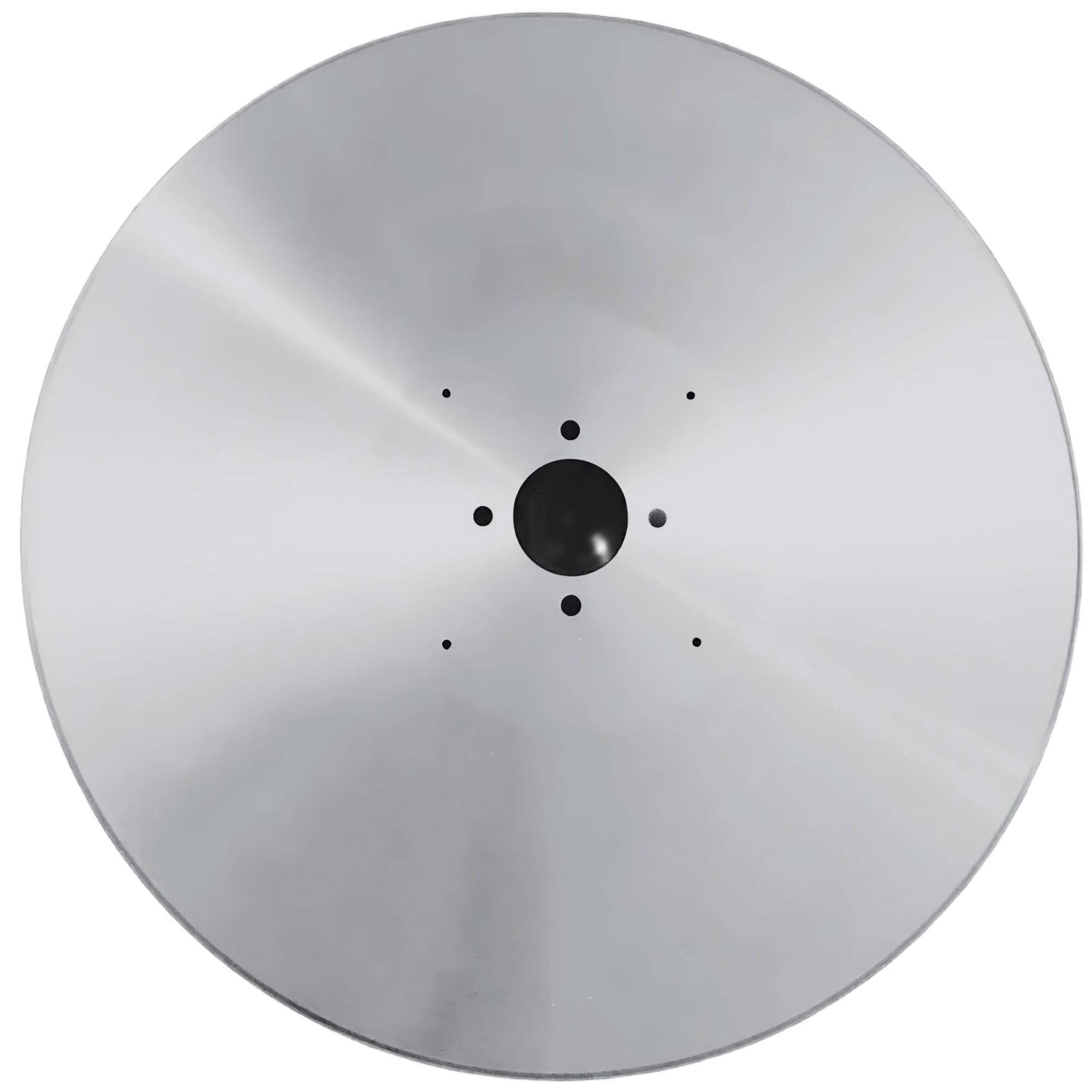
Tissue Log Saw Blades for Paper Roll Converting
- ■Sizes: Ø610–1000 mm
- ■Material: D2 (1.2379), Cr12MoV or M2 HSS
- ■Application: Tissue and kitchen towel log cutting
Technical Specifications
- Sizes: Listed OD Ø610–1000 mm; custom diameters up to Ø1200 mm
- Material: D2 (1.2379), Cr12MoV or M2 HSS
- Optional Coatings: Hard chrome, PTFE or TiN
- Application: Toilet tissue, kitchen towels, industrial wipers and jumbo roll tissue
- Lateral Runout: ≤0.15 mm
- Edge Runout: ≤0.10 mm
- Surface Finish: Mirror polished, Ra ≤0.2 µm
- Reference Cutting Rate: Up to 300 strokes/min, dependent on the saw and cutting setup
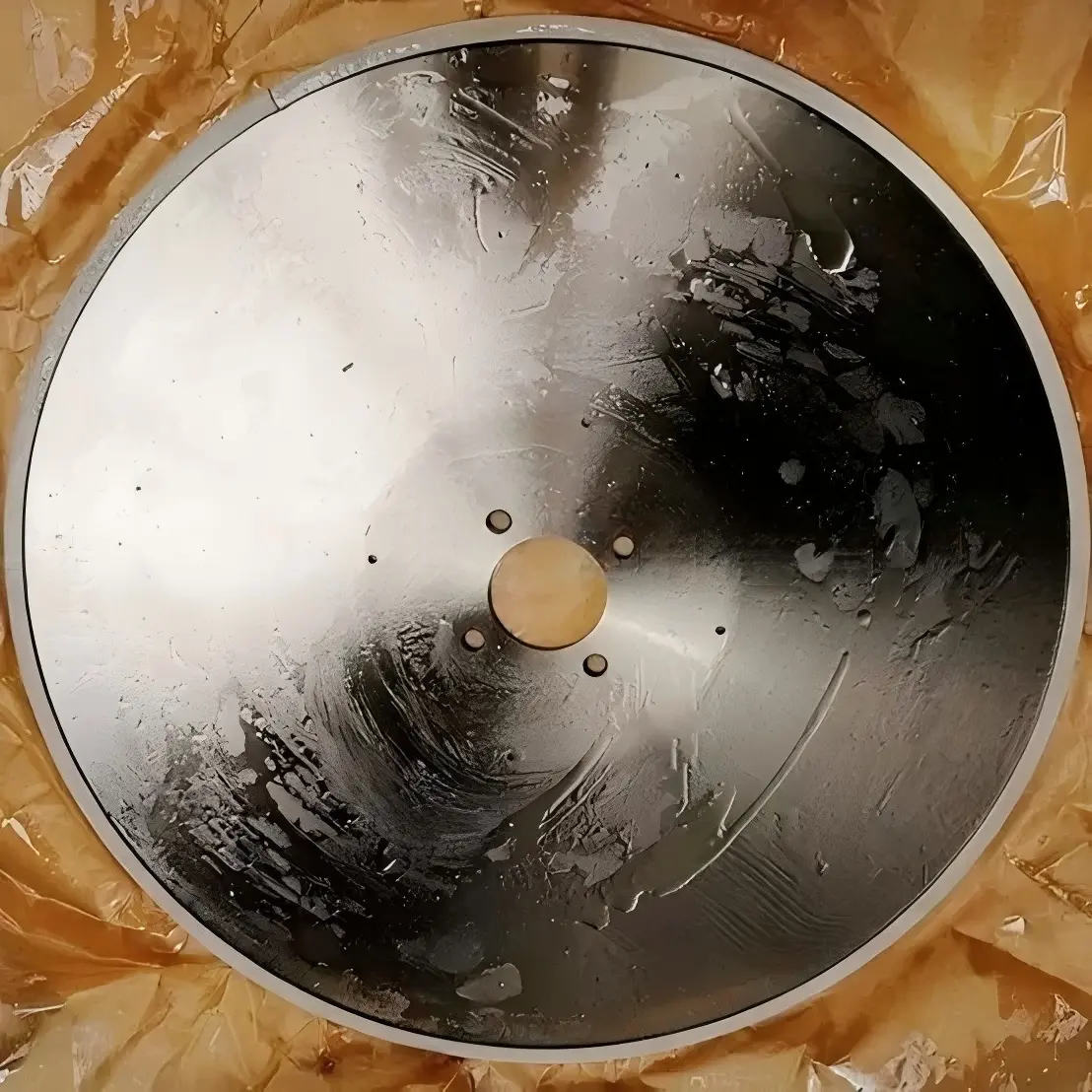
Common Standard Dimensions
Each Item No. identifies a complete outside diameter, bore and body thickness combination.
| Item No. | Outer Diameter (mm) | Bore (mm) | Body Thickness (mm) |
|---|---|---|---|
| SR005101 | 610 | 68.26 | 4.76 |
| SR005102 | 610 | 68.26 | 3.80 |
| SR005103 | 610 | 82.55 | 4.76 |
| SR005104 | 680 | 68.26 | 4.76 |
| SR005105 | 870 | 60 | 6.0 |
| SR005106 | 1000 | 60 | 6.0 |
Request a quote for your log saw blade
Include the Item No. or original knife reference, saw model, mounting and bevel drawings, and quantity.
Compatible Machine Brands
Source replacement tissue log saw blades in D2, Cr12MoV or M2 HSS for your converting line. Sureay offers custom bores, mounting patterns and blade profiles; send your drawing for a quotation tailored to your saw. Machine brands are compatibility references for Sureay aftermarket parts.
Engineering Advantages
Tool-Steel and HSS Options for Tissue Converting
Sureay supplies D2, Cr12MoV and M2 HSS log saw blades for tissue and kitchen-towel converting, giving you material options for your existing saw and sharpening arrangement.
Polished Faces and Optional Surface Treatments
Mirror-polished blade faces are available with hard-chrome, PTFE or TiN options, allowing the surface specification to be selected alongside the tissue product and blade material.
Custom Mounting Patterns and Bevel Profiles
Order replacement blades with custom bores, drive-hole patterns, hubs and bevels for your converting line. Listed diameters cover 610–1000 mm, with custom diameters up to 1200 mm.
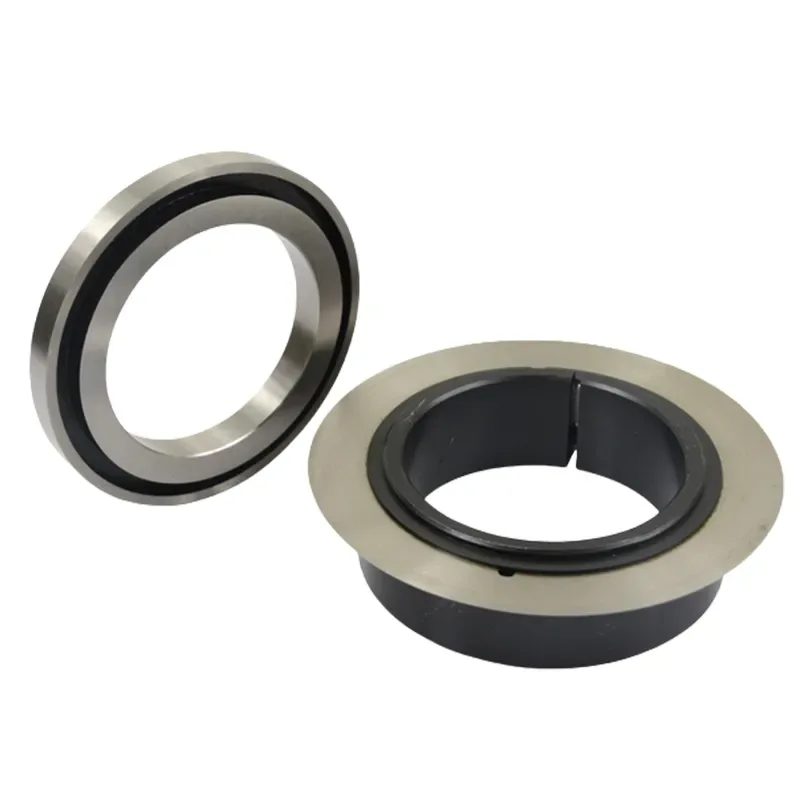
Paper Slitter KnivesRelated Blades & Parts
View All →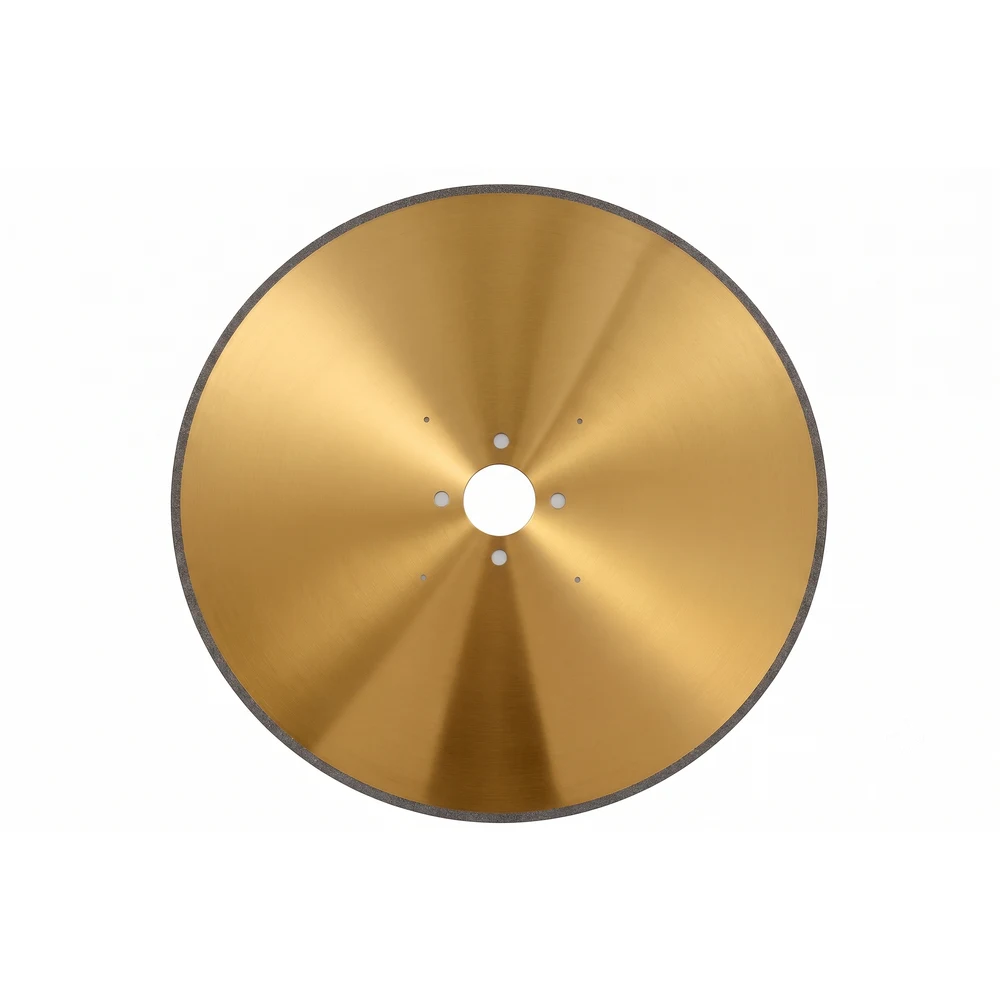
Technical FAQs
01Which replacement tissue log saw blade fits my converting line?
+−
Which replacement tissue log saw blade fits my converting line?
The replacement must match the blade diameter, bore, thickness, hub, bevel and drive-hole pattern specified for the saw. Two Ø610 mm blades can have different bores or body thicknesses, so use the original knife reference as well as the machine model. Toilet paper cutting knife and tissue log saw blade can both refer to this circular cross-cutting blade. For lengthwise web cutting, see Paper Slitter Knives.
02How should I choose between D2, Cr12MoV and M2 HSS?
+−
How should I choose between D2, Cr12MoV and M2 HSS?
Start with the current blade material, tissue or towel grade and sharpening arrangement. Compare gradual wear, edge damage and the cut produced between sharpening cycles. The replacement specification should combine the steel choice with the existing bevel and blade section, so a material change can be evaluated under comparable production conditions.
03What should guide the choice of a coating for a tissue log saw blade?
+−
What should guide the choice of a coating for a tissue log saw blade?
Consider the blade material, tissue product and the location of residue or heat-related cutting problems. Friction between the blade and roll can contribute to heating. Specify the requested surface treatment separately from the steel grade and bevel, and compare coated and uncoated configurations under the same cutting conditions.
04Why can a tissue log saw blade become scalloped after sharpening?
+−
Why can a tissue log saw blade become scalloped after sharpening?
Uneven grinding around the circumference can produce a scalloped or polygonal edge. Relevant checks include grinding-wheel condition, contact on the two faces and runout of the mounted blade. Compare the pattern with the sharpening history and follow the saw maker's grinding procedure before selecting a different replacement material.
05Why do the hub and bevel matter when the diameter already matches?
+−
Why do the hub and bevel matter when the diameter already matches?
The hub establishes the blade's mounting relationship, while the bevel determines its working-edge profile and contact with the sharpening wheels. Two knives with the same diameter, bore and body thickness can differ in these features. A cross-section drawing identifies the full configuration needed by the saw and its grinding arrangement.
06Should a reground blade's diameter be used for a new replacement?
+−
Should a reground blade's diameter be used for a new replacement?
Use the original new-blade diameter where available. Repeated sharpening reduces the outside diameter, so record the reground dimension separately. The catalog Item No. gives the listed size, and the blade drawing adds the hub, mounting and bevel geometry for a new replacement.
07What information do you need to quote a tissue log saw blade?
+−
What information do you need to quote a tissue log saw blade?
Share the saw model, original blade reference or drawing, quantity and the tissue product you cut. Include the new-blade diameter and thickness, bore, drive-pin layout, hub cross-section and bevel. Specify the requested steel and finish if already defined, and label the current diameter separately if the sample has been reground.
Get in Touch with Our Engineers
Contact Our Team
Discuss your requirements directly with our engineers.