Test Objective
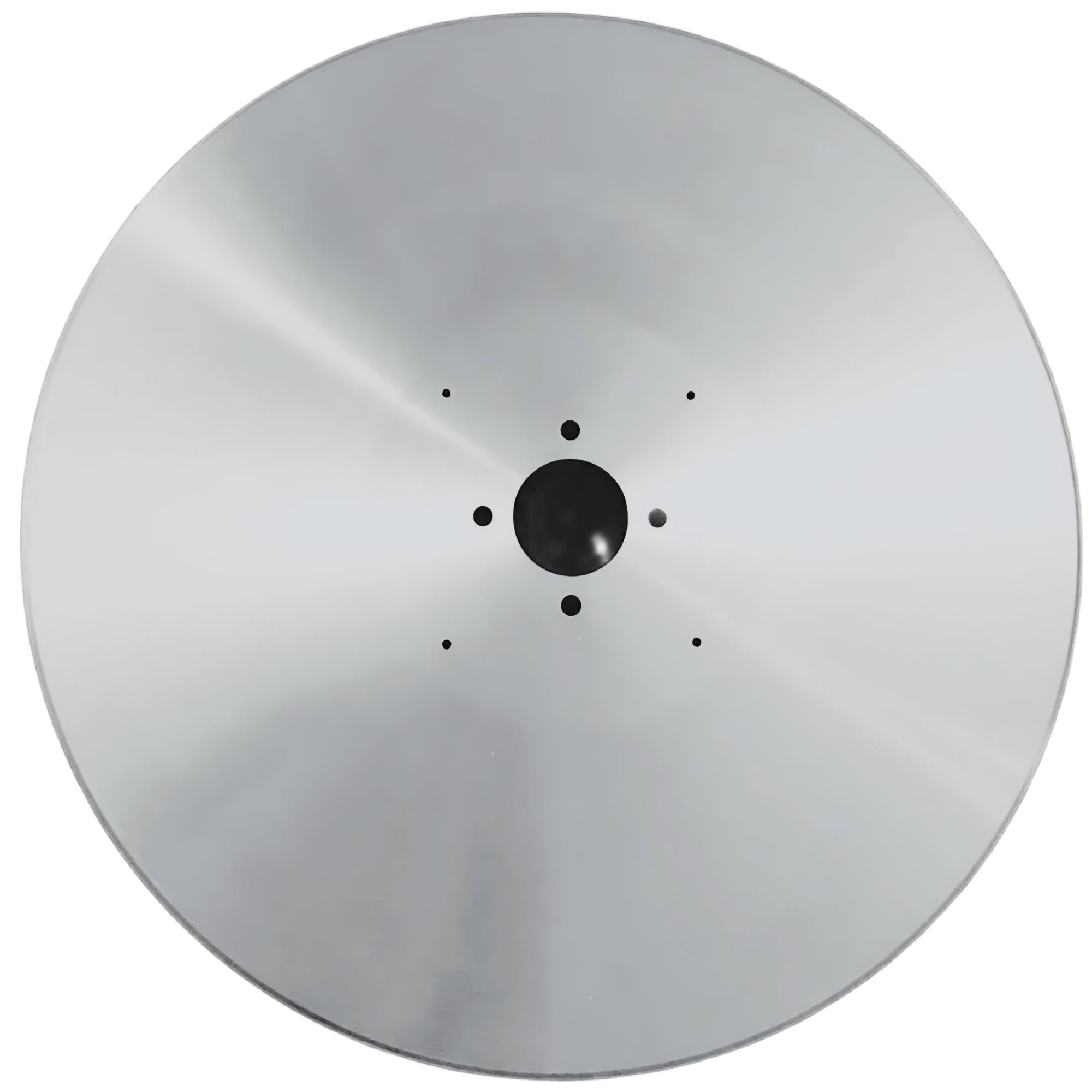
Tissue log saw blades operating in wet environments (drum moisture content 8–2%) are subject to adhesive wear from cellulose fibre accumulation at the cutting edge, and corrosive attack from free chlorine in process water. This study benchmarks PVD-deposited TiN and hard chrome coatings against uncoated D2 baseline across friction, adhesion, and service-life metrics.
Technical Note
TEST PARAMETERS: Substrate D2 tool steel, 62 HRC. Log diameter 280 mm. Speed 2,800 RPM. Coolant: 0.5% synthetic emulsion. Test duration: 500 operating hours per sample group (n=3 per coating type).
Results: TiN Coating
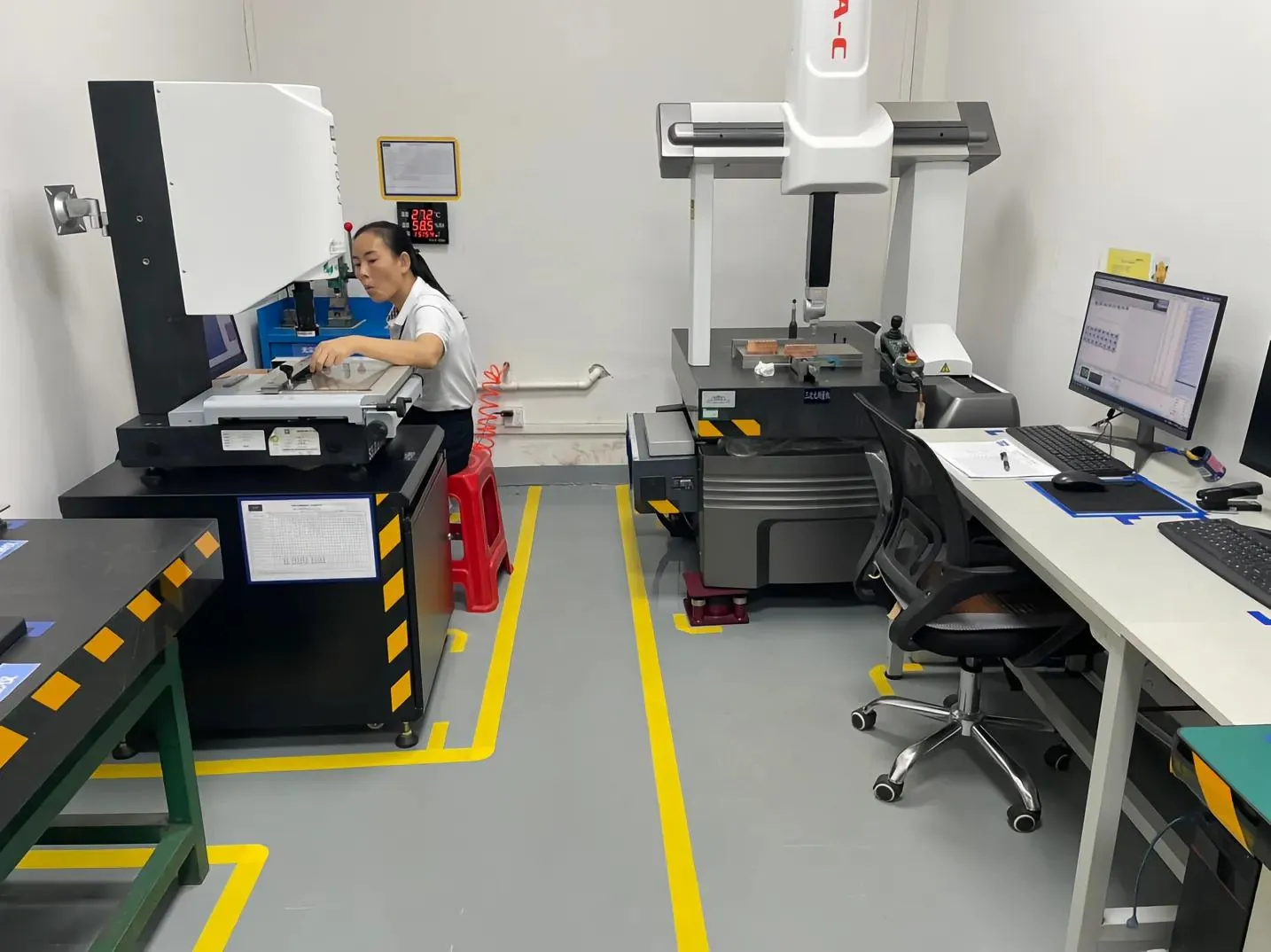
TiN-coated blades demonstrated a 31% reduction in friction coefficient (μ = 0.22 vs. 0.32 baseline) at test initiation. Coating adhesion remained intact for the full 500-hour test cycle with no delamination detected by SEM cross-section analysis at 250h and 500h intervals. Edge recession rate: 0.008 mm/100h vs. 0.019 mm/100h uncoated.
Results: Hard Chrome Coating
Hard chrome showed comparable friction reduction (μ = 0.24) at test start, but exhibited micro-cracking at the coating-substrate interface from 180 hours onward due to hydrogen embrittlement under cyclic loading. Edge recession rate climbed to 0.015 mm/100h post-200h, approaching the uncoated baseline.
Technical Note
RECOMMENDATION: TiN PVD coating is the preferred specification for tissue log saw blades in high-humidity, chlorinated-water environments. Hard chrome is not recommended for cyclic-impact cutting applications regardless of substrate hardness.
Application Guidelines
TiN coating adds approximately 3–5 μm to nominal blade dimensions. Specifying engineers should account for this in mounting clearance calculations. Re-coating after sharpening is available as a service and restores full friction and corrosion performance with no dimensional penalty beyond standard re-grind stock removal.