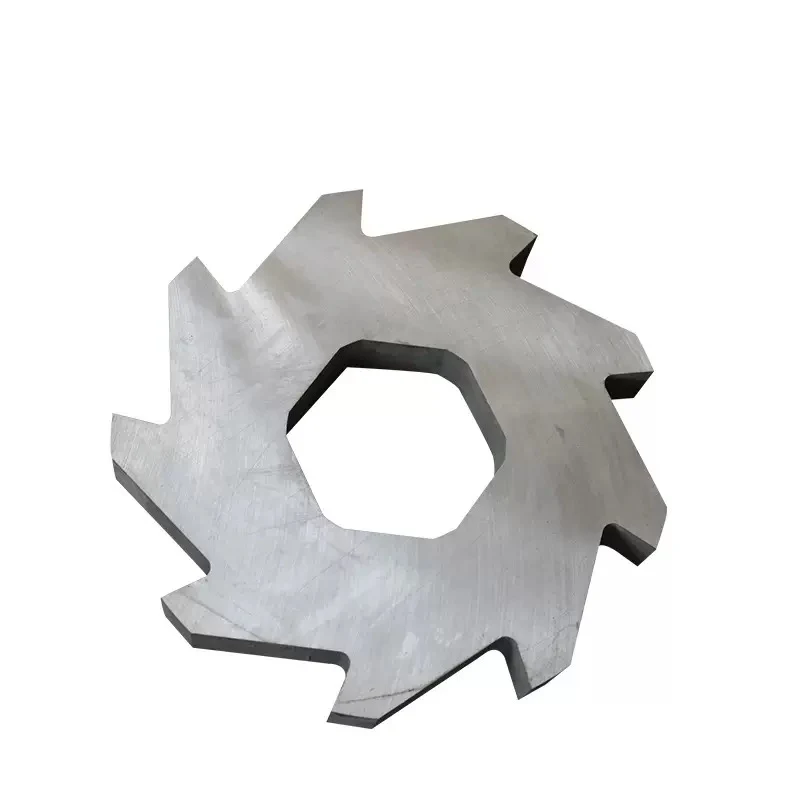
High-Impact Multi-Shaft Blades for Scrap Metal, ELV & E-Waste
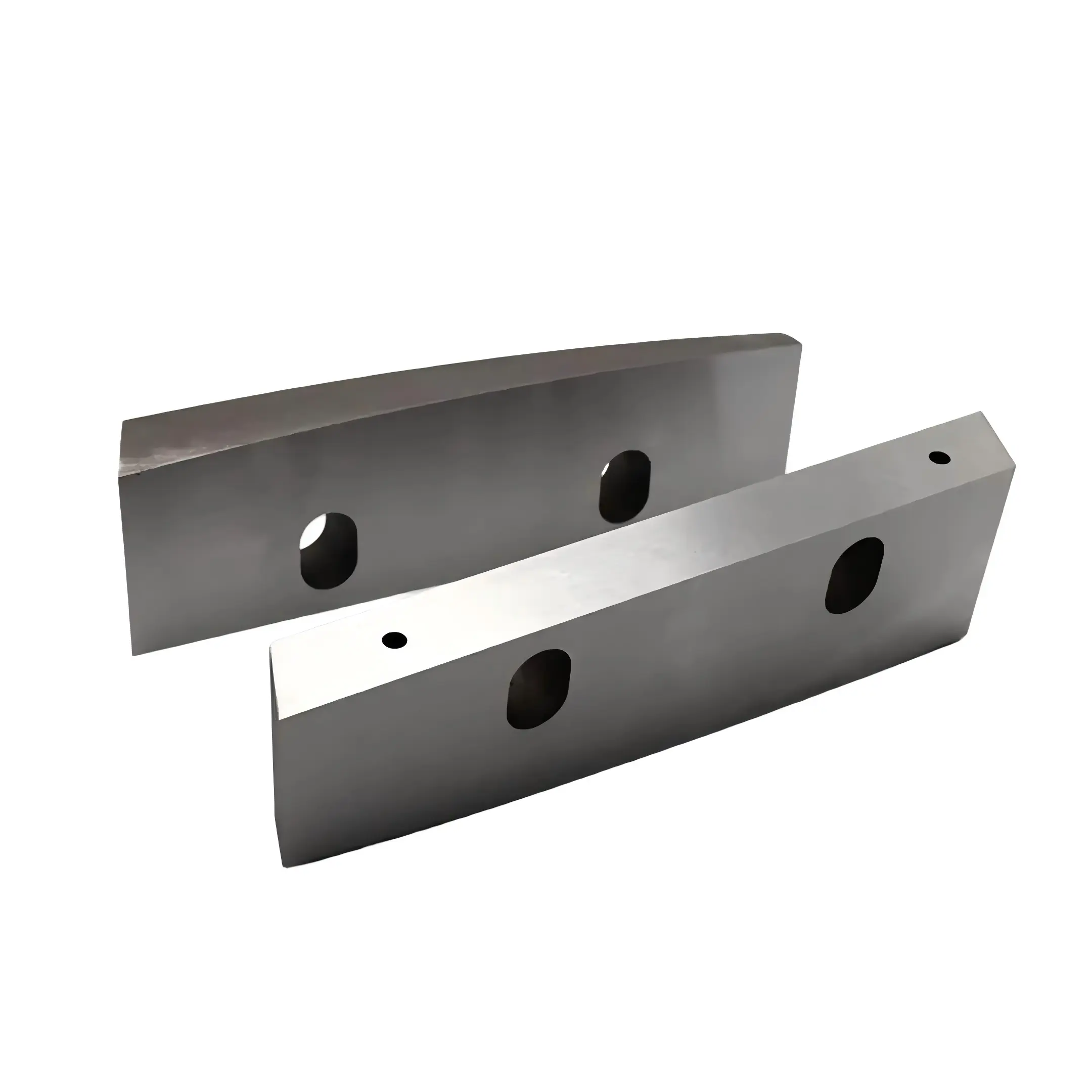
Metal Shredder Blades
Designed to survive the catastrophic shock loads of scrap metal, ELV (end-of-life vehicle), and e-waste twin-shaft shredding. Forged from premium H13 and 42CrMo (AISI 4140) alloy steels. These heavy-duty blades prioritize core toughness to prevent brittle fracture when striking solid metal inclusions.
- ■Material: H13 (AISI H13 / 1.2344), 42CrMo (AISI 4140)
- ■Application: Scrap Metal · ELV · E-Waste · Appliances (WEEE)
■ ISO 9001:2015 Certified
■ In-House Heat Treatment
■ Strict Dimensional Tolerances
■ Global Door-to-Door Delivery
[ Engineering Reference ]
Decisive Specifications
| Material | H13 (AISI H13 / 1.2344), 42CrMo (AISI 4140) |
|---|---|
| Hardness | HRC 50–54 (Optimized for Shock Absorption) |
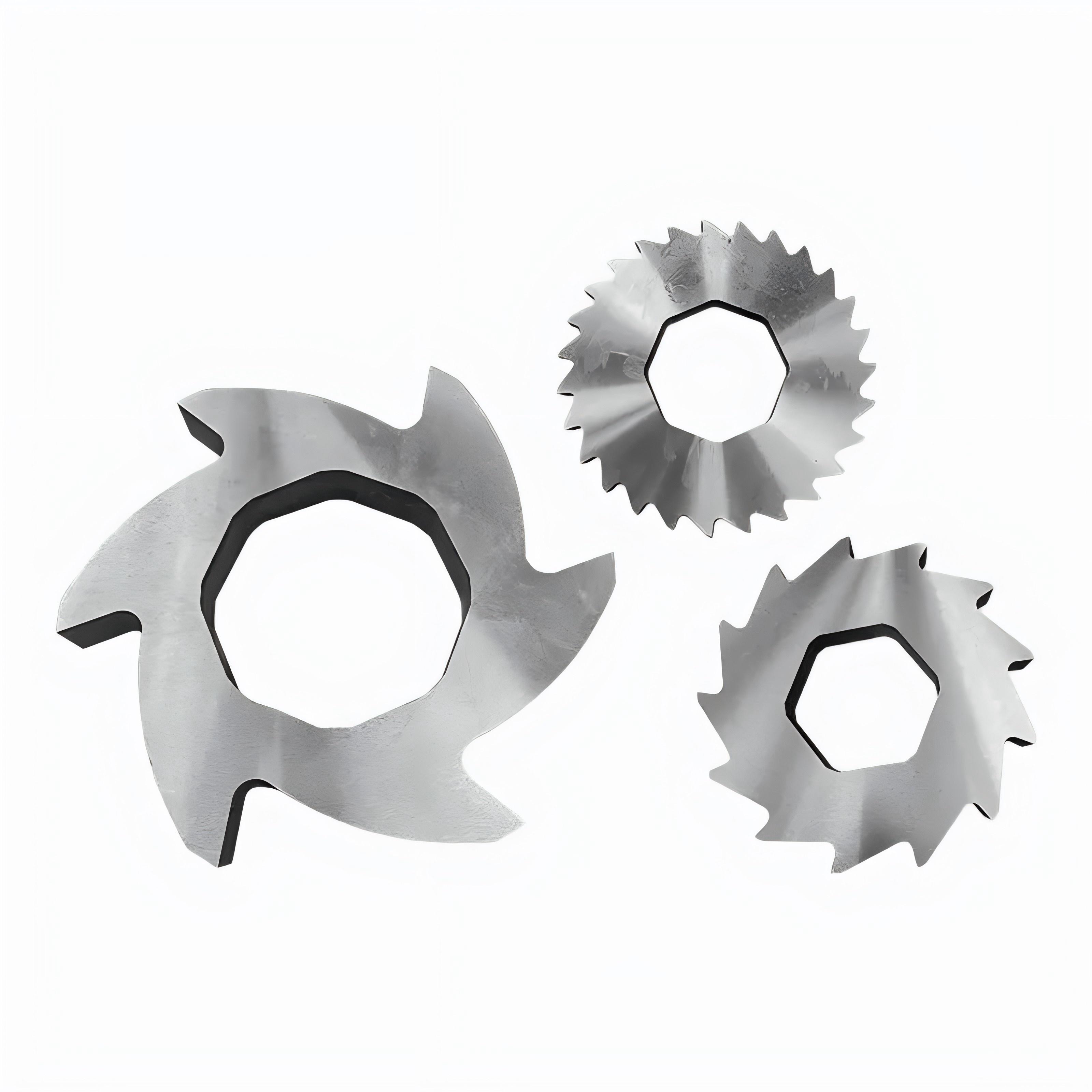
| Claw Geometry | 1, 2, or 3 Low-Profile Thick Hooks |
| Thickness | 40 mm – 150 mm (Heavy Duty) |
| Bore Design | Heavy Splined / Multi-Keyway (Wire-EDM) |
| OEM Fitment | Shred-Tech, Forus, Arjes, SSI, Hammel |
| Application | Scrap Metal · ELV · E-Waste · Appliances (WEEE) |
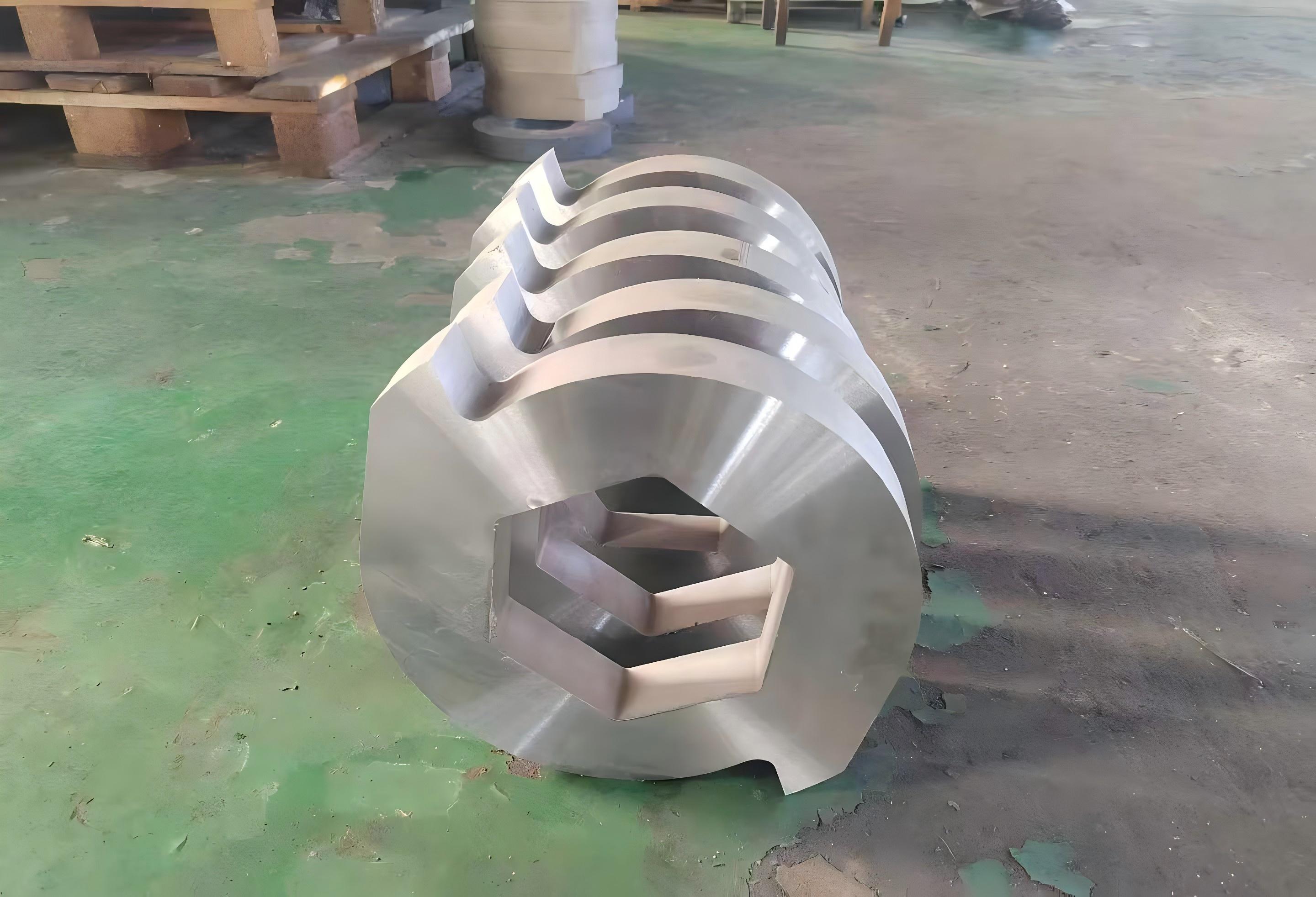
■ All values verified via CMM inspection · ISO 9001:2015
[ RFQ Prompt ]
Need a Specific Size or OEM Replacement?
Don't see your exact specs? Send us a blueprint, a worn sample, or just your machine model. Our team will review the details and provide a tailored quotation.
[ Standard Reference ]
Common Standard Dimensions
| Scrap Class | Outer Diameter | Blade Thickness | Bore Configuration | Recommended Hooks |
|---|---|---|---|---|
| E-Waste / Light Scrap | Φ 300–450 mm | 40–60 mm | Hex / Light Splined | 3 Hooks |
| Appliances / Steel Drums | Φ 450–600 mm | 60–80 mm | Medium Splined | 2–3 Hooks |
| ELV / Heavy Demolition | Φ 600–800+ mm | 80–150 mm | Heavy Splined | 1–2 Hooks |
[ OEM Compatibility ]
Compatible Machine Brands
® Registered trademarks are property of their respective owners. Sureay supplies compatible replacement blades — not OEM-branded parts.
[ Technical Audit ]
Engineering Advantages
Massive Core Toughness
Held at HRC 50–54, H13 and 42CrMo alloys provide the massive core elasticity needed to absorb extreme kinetic impacts, avoiding the catastrophic shattering typical of D2 blades.
Zero-Slippage Splines
Full-circumference spline bores machined by Wire-EDM to ±0.01mm ensure zero-slippage torque transfer under extreme shredding loads, eliminating rotor shaft damage.
Low-Profile Biting Hooks
1 to 3 heavy-root-thickness hooks provide maximum biting force per stroke for shearing thick metal casings, without the fracture risks associated with multi-claw designs.
[ System Inventory ]
Related Blade Categories
View All →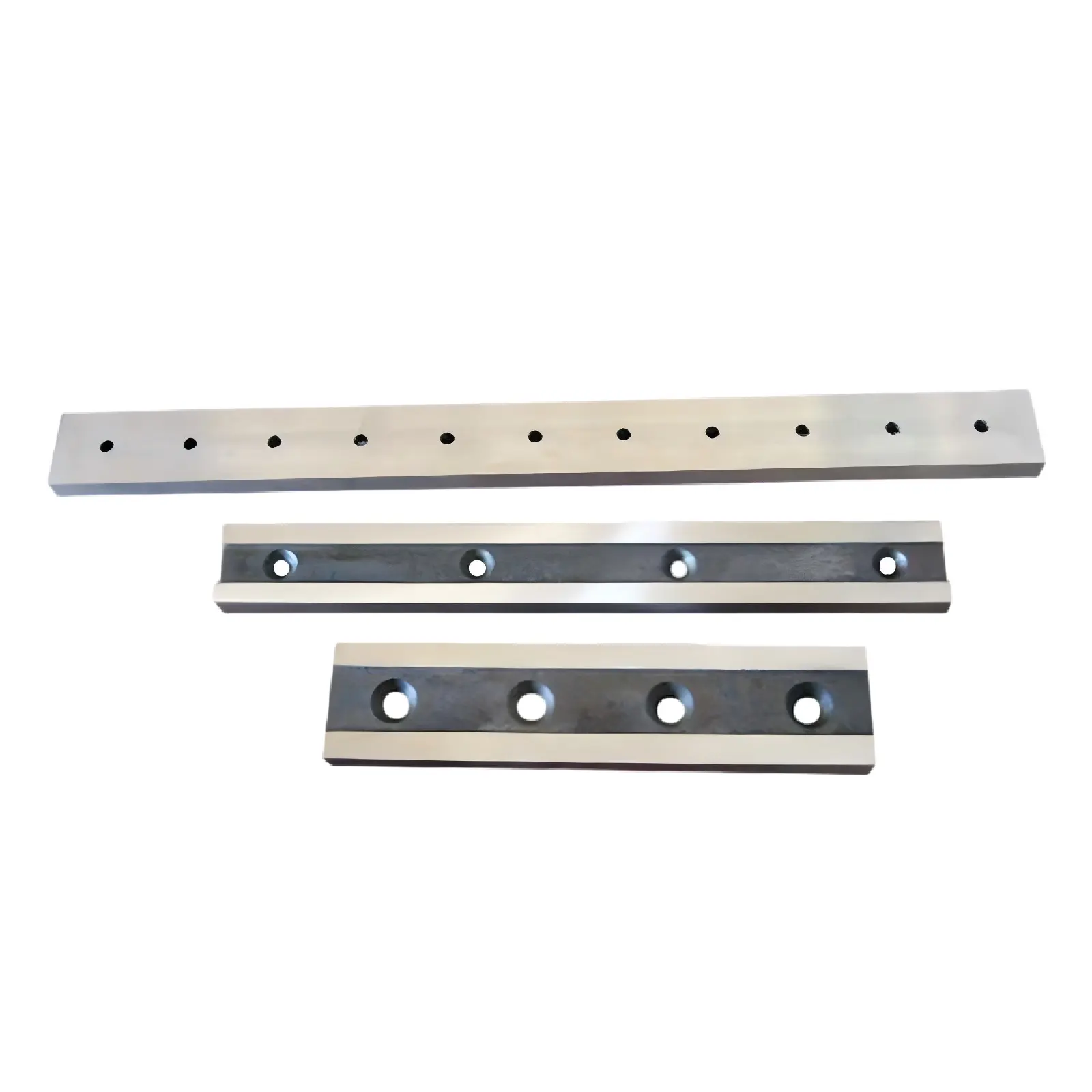
[ Knowledge Base ]
Product FAQs & Buying Guidance
Technical FAQs
01Why choose H13 or 42CrMo over D2 for metal shredding applications?
+−
Why choose H13 or 42CrMo over D2 for metal shredding applications?
D2 is optimized for wear resistance at the expense of toughness—it reaches HRC 58–62 but becomes brittle under extreme shock loading. When a D2 blade strikes an engine block, the impact energy exceeds the material's fracture toughness in microseconds, causing catastrophic hook shattering. H13 and 42CrMo (AISI 4140) possess inherently superior toughness; at HRC 50–54, they absorb the same impact energy elastically rather than fracturing.
02What hook count and profile should I specify for ELV automotive shredding?
+−
What hook count and profile should I specify for ELV automotive shredding?
For ELV primary shredding (car bodies, engine subassemblies), specify 1-hook or 2-hook low-profile designs with maximum root thickness. A low claw count concentrates the available machine torque onto fewer, robust hook contacts, generating the massive biting force needed to penetrate thick steel. High claw counts spread torque too thinly, causing the blade to slide over the metal rather than biting into it.
03How do splined bores prevent rotor shaft damage in heavy metal shredding?
+−
How do splined bores prevent rotor shaft damage in heavy metal shredding?
In heavy metal shredding, peak rotor torque spikes to 3–5× steady-state load during a hard strike. Standard single-keyed bores concentrate all this torque on one point, progressively widening the keyway and ultimately shearing the key. Wire-EDM splined bores distribute this massive torque evenly across 10 to 20 contact faces around the full circumference, reducing peak stress and protecting your expensive rotor shaft.
04What are the warning signs that metal shredder blades need replacement?
+−
What are the warning signs that metal shredder blades need replacement?
Key indicators include: (1) Visible hairline fractures at the hook root; (2) Outer diameter (OD) wear exceeding 10–15mm below nominal, indicating a loss of shear clearance; (3) Bore elongation, meaning the blade rocks on the shaft even under full tightening torque; (4) A throughput reduction of >20% at a constant motor load, indicating the blades are pushing rather than shearing the scrap.
Why Choose Sureay
01Can you supply blades for Shred-Tech, Arjes, or Forus shredding platforms?
+−
Can you supply blades for Shred-Tech, Arjes, or Forus shredding platforms?
Yes. We reverse-engineer replacement blades from factory-measured OEM samples for Shred-Tech ST series, Arjes Imperator/Orion, Forus heavy-duty shredders, and SSI platforms. Custom spline profiles and counter-bore patterns are produced with extreme precision using Wire-EDM.
02What is the lead time for heavy-duty metal shredder blades?
+−
What is the lead time for heavy-duty metal shredder blades?
Standard H13 and 42CrMo grades in common dimensions are held in semi-finished stock and typically ship within 10–15 working days. For non-standard massive ODs or custom spline profiles requiring new tooling, lead time is 20–25 working days.
03What quality certifications and documentation do you provide?
+−
What quality certifications and documentation do you provide?
Sureay is ISO 9001:2015 certified. For heavy metal shredder blades, we provide full traceability: Rockwell HRC hardness test reports (minimum 5 points per blade), Charpy impact test certificates for 42CrMo grades, CMM dimensional inspection records, and steel mill composition certificates.
Reach Our Team
Get in Touch with Our Engineers
Contact Our Team
Discuss your requirements directly with our engineers.
Request a Quote
Our engineering team responds within 2 hours.