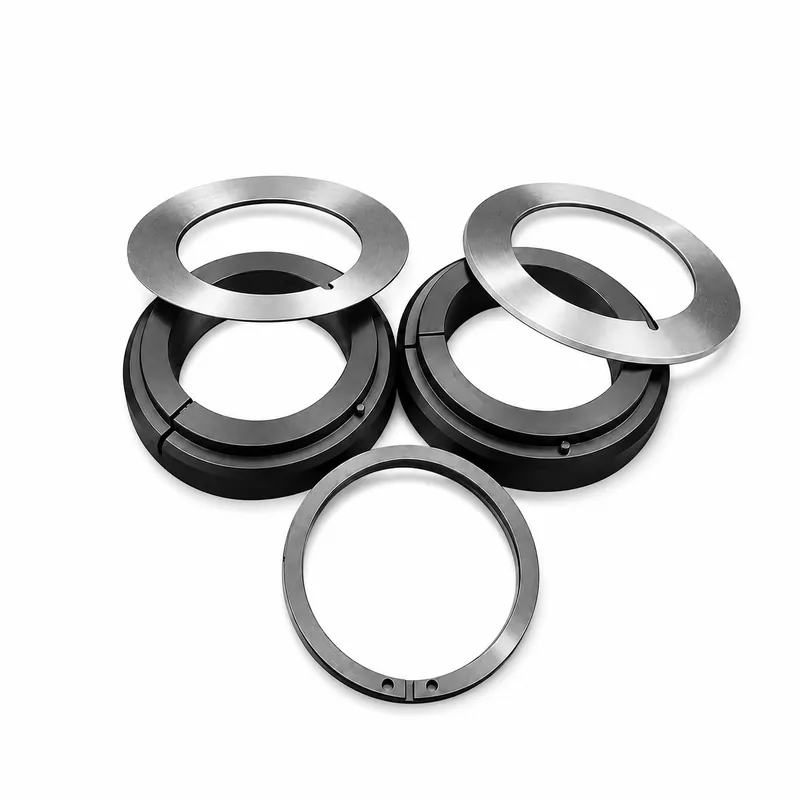
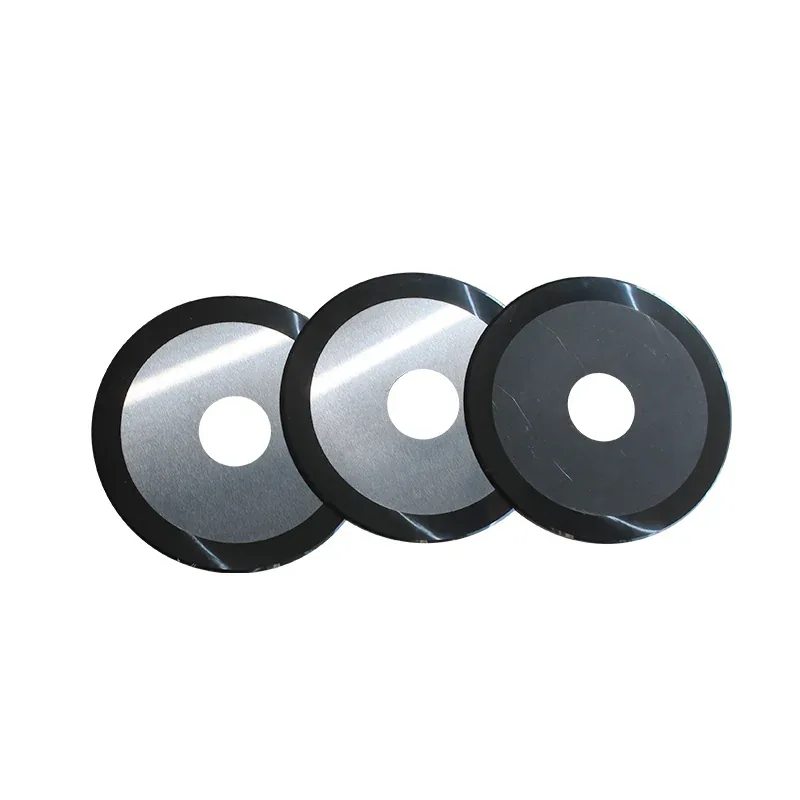
Nonwoven Slitter Knives for Spunbond, Meltblown & SMS
- ■Sizes: OD 60–300 mm
- ■Material: M2 HSS, D2, tungsten carbide, 52100
- ■Application: Spunbond PP, Meltblown, SMS/SMMS, Hydroentangled, Geotextile
Technical Specifications
- Sizes: OD 60–300 mm
- Materials: M2 HSS, D2, tungsten carbide, 52100
- Hardness: M2: 62–64 HRC; D2: 60–62 HRC; carbide: 89–92 HRA
- Tolerance: Thickness ±0.002 mm
- Interface: H7 bore, set-screw locking
- Geometry: Bevel 25°–45°
- Optional Coatings: PTFE, TiN, DLC or ESD conductive coating
- Rake Angle: 15°–20° positive rake
- Surface Finish: Ra ≤0.4 µm
- Application: Spunbond PP, Meltblown, SMS/SMMS, Hydroentangled, Geotextile
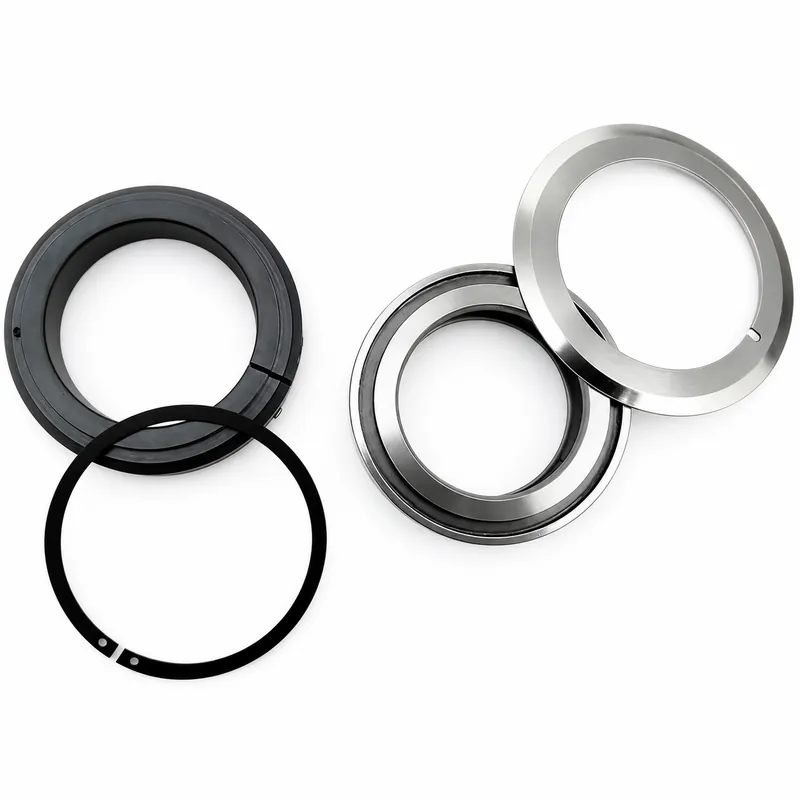
Common Standard Dimensions
Scroll horizontally to view all columns.
| Item No. | Dimensions (OD × ID × W) | Profile | Material Options | Holder Fit |
|---|---|---|---|---|
| SR001101 | 76.2 × 17.0 × 1.00 mm | Dished | M2 HSS / D2 | Type 80 |
| SR001102 | 90.0 × 22.0 × 1.20 mm | Dished | M2 HSS / Carbide | Type 90 |
| SR001103 | 100.0 × 40.0 × 1.20 mm | Dished | M2 HSS / ASP-23 | Dienes / Cotta 100 |
| SR001104 | 105.0 × 40.0 × 1.50 mm | Dished | M2 HSS / D2 | Type 105 / 110 |
| SR001105 | 130.0 × 60.0 × 1.50 mm | Dished | M2 HSS / D2 | Dienes PSG |
| SR001106 | 150.0 × 70.0 × 2.00 mm | Dished / Flat | D2 / M2 HSS | A.Celli |
| SR001107 | 200.0 × 80.0 × 3.00 mm | Flat | D2 / Cr12MoV | — |
| Item No. | Dimensions (OD × ID × W) | Knife Type | Material Options | Key Specification |
|---|---|---|---|---|
| SR001108 | 80.0 × 50.0 × 15.0 mm | Bottom Anvil Ring | D2 / 52100 | H7 Bore, Set Screw |
| SR001109 | 100.0 × 60.0 × 20.0 mm | Double-Edge Ring | D2 / M2 HSS | Air / Solid Shafts |
| SR001110 | 126.0 × 76.2 × 50.0 mm | Multi-Groove Sleeve | D2 / Cr12MoV | Groove Width ±0.01 mm |
| SR001111 | 76.2 × 19.05 × 4.76 mm | Score / Crush Cutter | 52100 / M2 HSS | R0.05–R0.1 mm Tip Radius |
| SR001112 | 100.0 × 25.4 × 6.00 mm | Heavy-Duty Crush Cutter | 52100 / D2 | For Thick Felt & Batting |
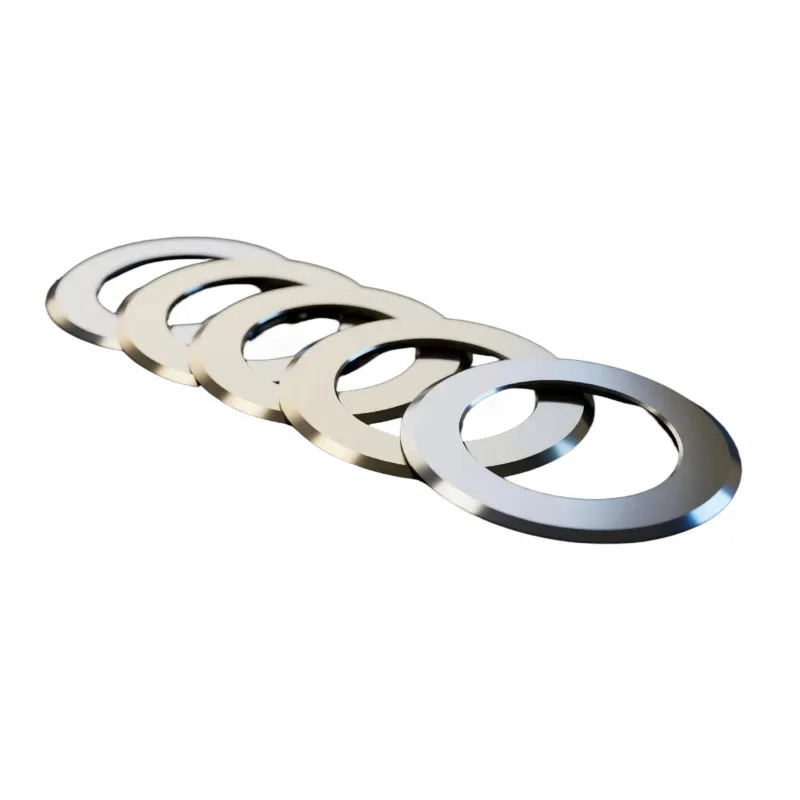
| Item No. | Dimensions (OD × ID × W) | Knife Type |
|---|---|---|
| SR001834 | 75 × 32 × 1.0 mm | Nonwoven slitter knife |
| SR001835 | 100 × 40 × 1.0 mm | Nonwoven slitter knife |
| SR001836 | 100 × 50 × 1.5 mm | Nonwoven slitter knife |
| SR001837 | 120 × 50 × 1.0 mm | Nonwoven slitter knife |
| SR001838 | 120 × 60 × 1.5 mm | Nonwoven slitter knife |
| SR001839 | 150 × 75 × 2.0 mm | Nonwoven slitter knife |
Need a size that is not listed?
Send a drawing, a worn sample, or just your machine model. We reply with a quotation within 24 hours.
Compatible Machine Brands
Get replacement nonwoven slitter knives with custom profiles, mounting dimensions and coating options for your converting line. Share your drawing or sample and web application with Sureay for a quotation covering the blade configuration and documentation you need.
Engineering Advantages
Material Options for Nonwoven Cutting
M2 HSS, D2, bearing steel and carbide options support replacement orders for different nonwoven webs. Specify the material around your existing knife arrangement and observed edge wear.
Defined Edge Profiles and Optional Surface Treatments
Blade profiles and optional PTFE, TiN, DLC or ESD conductive coatings can be specified separately, allowing your order to distinguish the required cutting geometry from the selected surface treatment.
Custom Interfaces for Existing Knife Holders
Custom bores, mounting dimensions and cutting profiles let you source replacement knives for your existing holders from a drawing or sample, including the required shaft fit and locking arrangement.
Related Blades & Parts
View All →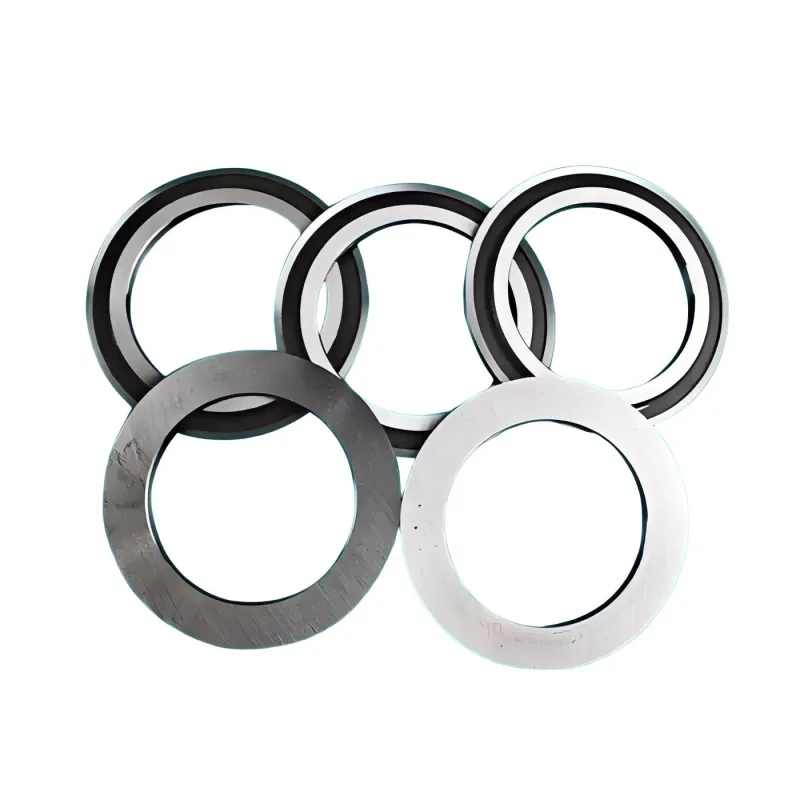
Technical FAQs
01Which replacement knife fits my nonwoven slitting holder?
+−
Which replacement knife fits my nonwoven slitting holder?
Identify whether the station uses shear or crush cutting, then specify the holder, mating component and knife dimensions. Include the web construction and basis weight. Shear knives work with a mating cutting edge; crush cutters press against a supporting surface. For cross-cutting already wound rolls, see Nonwoven Log Saw Blades.
02How should knife material be chosen when nonwoven edges fray or wear increases?
+−
How should knife material be chosen when nonwoven edges fray or wear increases?
Compare the condition of the used edge with the web construction and stability of the cutting pair. Gradual wear and chipping call for different material considerations. Record the current knife material and production conditions when discussing a replacement, so a material change can be evaluated alongside the existing geometry and support arrangement.
03What can cause fraying or loose fibres during nonwoven slitting?
+−
What can cause fraying or loose fibres during nonwoven slitting?
Edge wear, unsuitable geometry, unstable support and cutting settings can all contribute to loose fibres. Inspect the cut edge and both working components under normal production conditions. The web construction matters alongside speed and basis weight, so compare these details before changing the blade profile or treating one rake angle as suitable for every nonwoven.
04Does fibre buildup always require an antistatic coating?
+−
Does fibre buildup always require an antistatic coating?
No. Residue, blade condition, web handling and the cutting setup should be checked before attributing fibre buildup to static. A conductive coating addresses a different issue from a damaged edge or unstable cutting support. Describe the buildup and current knife configuration when discussing a surface treatment, so the coating choice addresses the observed condition.
05How should custom nonwoven knife profiles and coatings be specified?
+−
How should custom nonwoven knife profiles and coatings be specified?
Send a drawing or sample defining the bore, mounting dimensions and cutting profile. Specify the blade material and coating separately, together with the nonwoven construction and intended cutting station. Keeping geometry and surface treatment distinct makes it easier to compare a replacement with the existing knife and identify exactly what changes in the order.
06Which material and dimensional requirements matter for hygiene-converting knives?
+−
Which material and dimensional requirements matter for hygiene-converting knives?
Define the required material identification, hardness and dimensional checks in the purchasing specification. Include the dimensions relevant to the holder and mating component, and agree any documentation requirements before ordering. Batch and purchase-order references can then connect the knife configuration with the requested inspection information and support your own supplier qualification process.
07When should nonwoven slitter knives be sharpened or replaced?
+−
When should nonwoven slitter knives be sharpened or replaced?
Persistent fraying or dust alongside a worn edge is a reason to assess sharpening, after checking the cutting setup. Regrinding is suitable only when the required profile and working dimensions can be restored. On shear stations, retain the specified overlap with the lower knife; assess crush profiles against their own drawing. Replace knives when damage or remaining dimensions prevent a usable cutting configuration.
Get in Touch with Our Engineers
Contact Our Team
Discuss your requirements directly with our engineers.