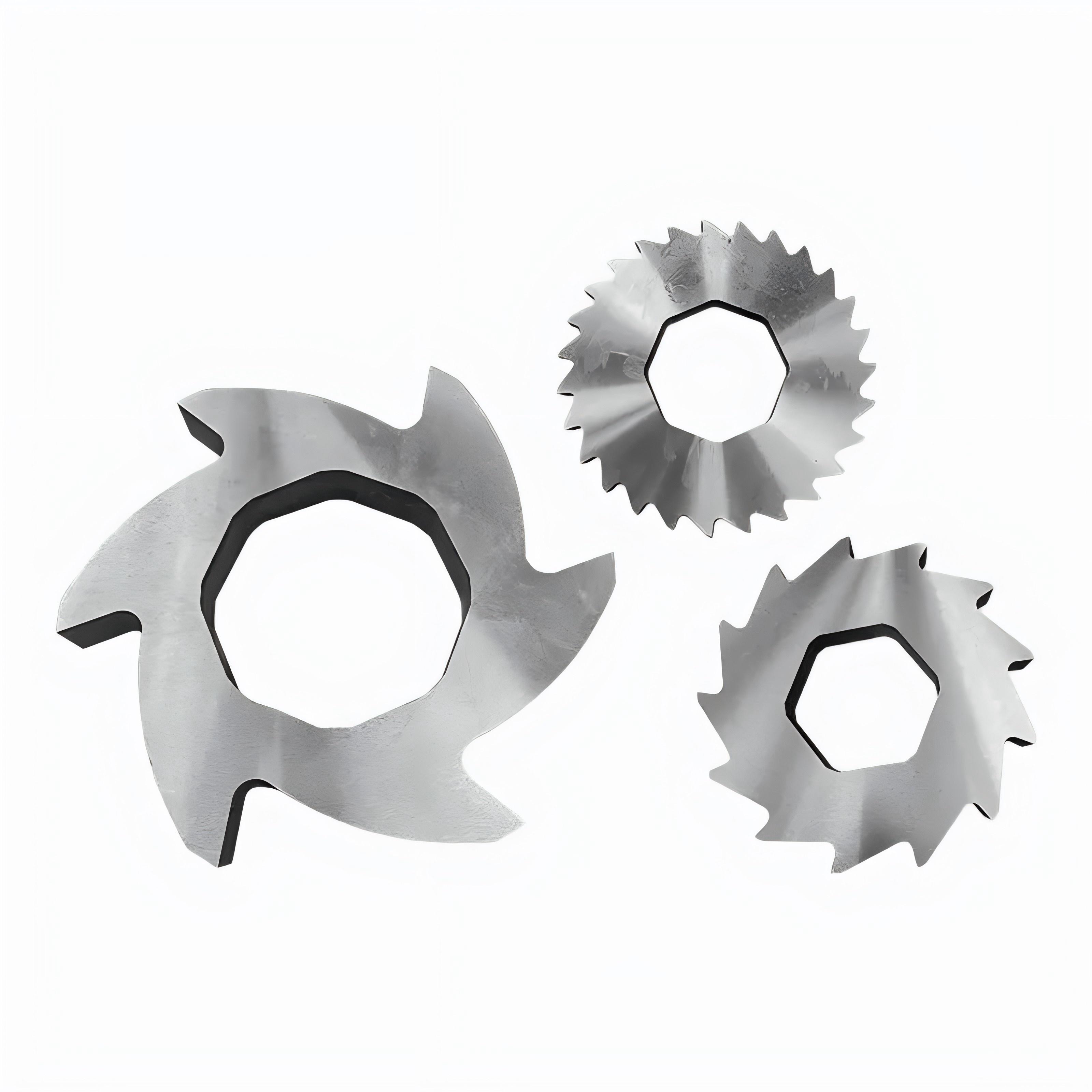
Precision Twin Shaft Shredder Blades for Li-Ion Battery Recycling
Shredder Blades
Engineered for the critical pre-shredding of EV lithium-ion battery packs, modules, and cells under inert gas environments. Precision ground to ±0.02mm thickness parallelism to ensure exacting shear clearances that prevent foil tearing and thermal runaway. Specialized alloy selection and surface treatments resist the highly corrosive effects of LiPF6 battery electrolytes.
- ■Application: EV Battery Packs · Pouch Cells · 18650/21700
■ ISO 9001:2015 Certified
■ In-House Heat Treatment
■ Strict Dimensional Tolerances
■ Global Door-to-Door Delivery
[ Engineering Reference ]
Decisive Specifications
| Tolerance | ±0.02 mm Thickness Parallelism |
|---|---|
| Hardness | HRC 54–58 |
| Bore Design | Precision Wire-EDM Hex / Splined |
| Surface | Anti-corrosion treatment available |
| Application | EV Battery Packs · Pouch Cells · 18650/21700 |
| Environment | Inert gas (N₂ / Ar) compatible |
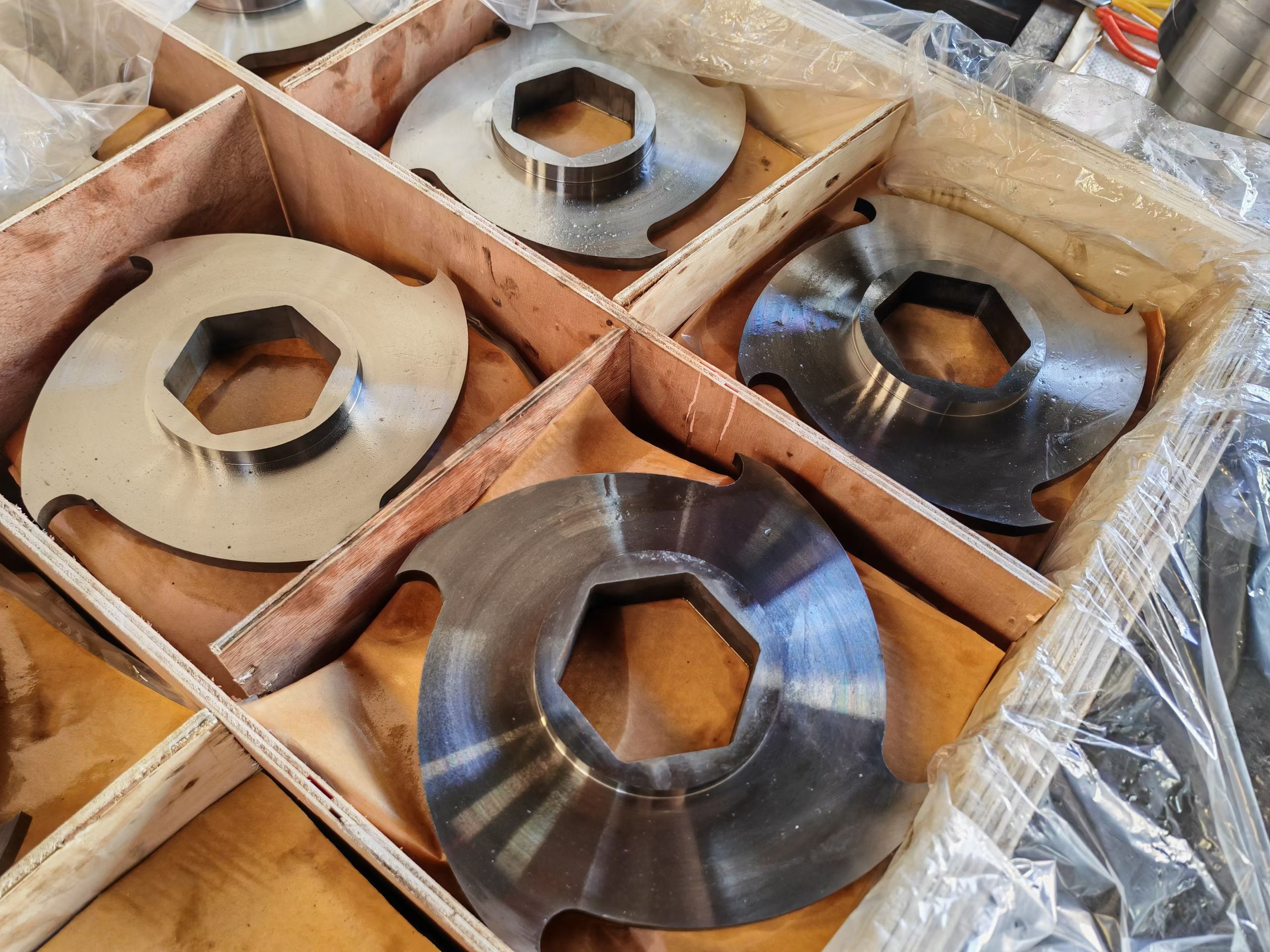
■ All values verified via CMM inspection · ISO 9001:2015
[ RFQ Prompt ]
Need a Specific Size or OEM Replacement?
Don't see your exact specs? Send us a blueprint, a worn sample, or just your machine model. Our team will review the details and provide a tailored quotation.
[ Standard Reference ]
Common Standard Dimensions
| Cell / Module Type | Blade Outer Diameter | Blade Thickness | Bore Profile | Thickness Tolerance |
|---|---|---|---|---|
| Cylindrical / Pouch Cells | Φ 200–350 mm | 10–20 mm | Hex / Splined | ±0.02 mm |
| EV Module / Battery Pack | Φ 400–600 mm | 30–50 mm | Splined | ±0.05 mm |
[ Technical Audit ]
Engineering Advantages
±0.02mm Thickness Parallelism
Precision ground to ultra-tight thickness tolerances, ensuring consistent shear clearance across the full rotor for clean cuts on copper and aluminum battery foils without folding or rotor wrap-arounds.
Electrolyte Corrosion Resistance
Specialized metallurgy and surface treatments provide enhanced resistance to LiPF6-derived HF acid corrosion, extending blade service intervals in aggressive battery recycling chemical environments.
Wire-EDM Precision Bores
All bore profiles are machined to ±0.01mm via Wire-EDM, eliminating rotational play that causes shear gap inconsistency during precision battery foil stack processing.
[ System Inventory ]
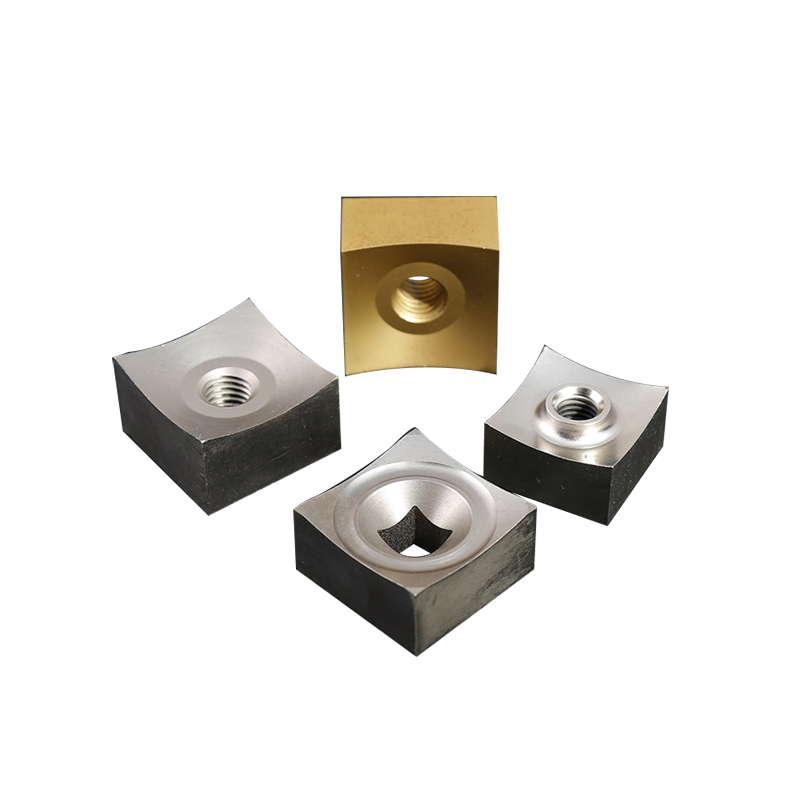
Related Blade Categories
View All →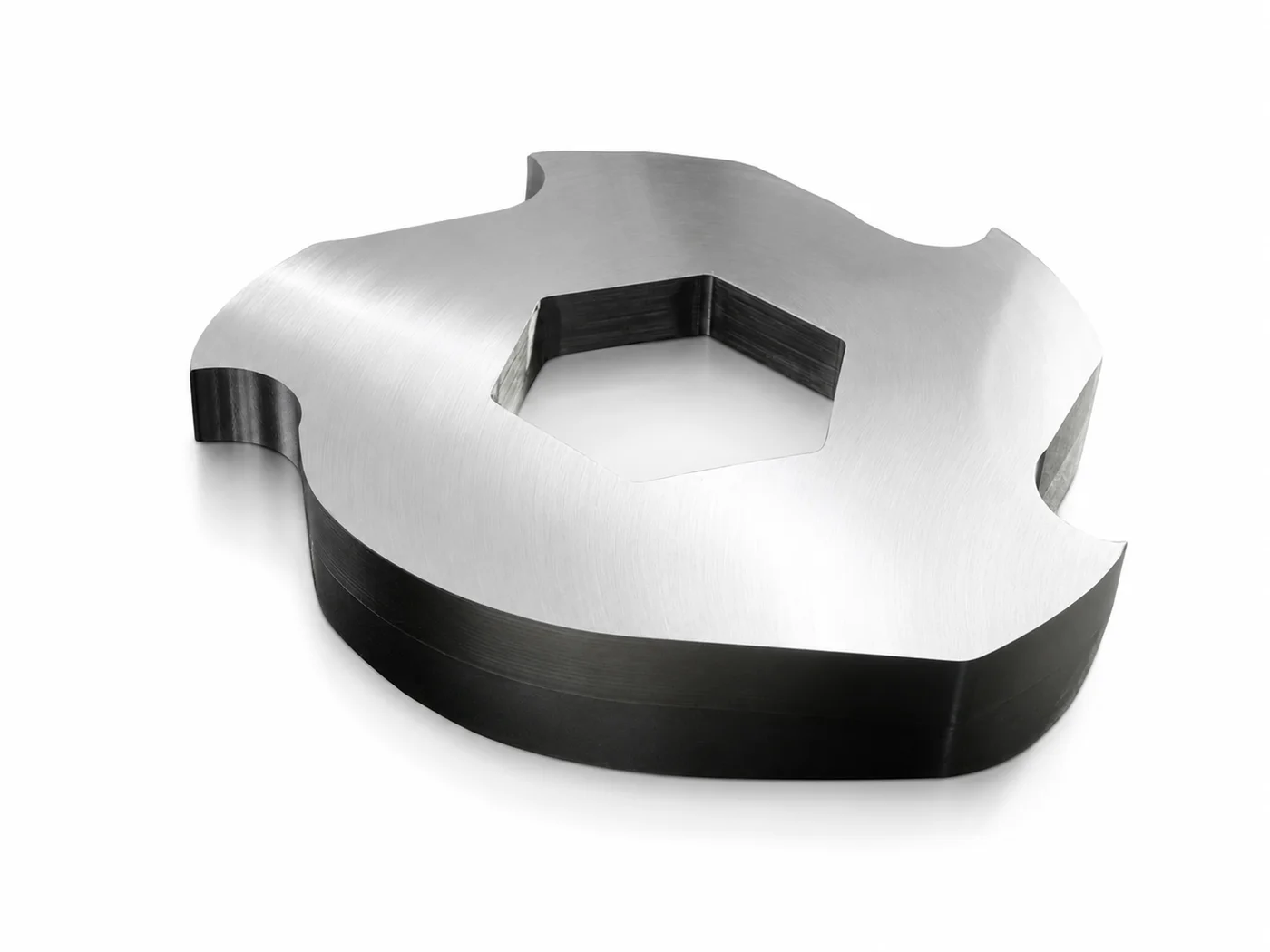
[ Knowledge Base ]
Product FAQs & Buying Guidance
Technical FAQs
01Why is ±0.02mm thickness tolerance critical for battery pack pre-shredding?
+−
Why is ±0.02mm thickness tolerance critical for battery pack pre-shredding?
Battery packs contain copper and aluminum current collector foils that are 8–20μm thick. When the shear gap between counter-rotating blades exceeds approximately 0.05mm, the foils deform plastically rather than shearing—folding and wrapping around the rotor, causing operational jams. In a nitrogen-purged environment, clearing a rotor jam requires complete shutdown of the inert gas system, evacuation, and manual removal—hours of downtime consuming significant N₂. Holding blade thickness parallelism to ±0.02mm guarantees a consistent minimum shear gap across the full rotor length, preventing foil wrap-arounds under normal operating conditions.
02What causes blade corrosion in lithium-ion battery shredding environments?
+−
What causes blade corrosion in lithium-ion battery shredding environments?
LiPF6, the most common lithium-ion electrolyte salt, reacts with trace atmospheric moisture to produce HF (hydrofluoric acid). In a cell breach event during pre-shredding, even a nitrogen atmosphere contains enough residual moisture for partial hydrolysis. Standard tool steel grades (D2, SKD11) corrode rapidly in HF—surface pitting initiates at grain boundaries within 200–500 hours, degrading edge geometry and reducing shear efficiency. Sureay applies specialized anti-corrosion surface treatments to extend service intervals significantly beyond standard tool steels in battery recycling lines.
03Should twin-shaft or single-shaft shredders be used for Li-ion battery pre-processing?
+−
Should twin-shaft or single-shaft shredders be used for Li-ion battery pre-processing?
Twin-shaft (dual-shaft) shredders are standard for EV battery pack primary size reduction because the counter-rotating, low-speed high-torque design subjects cells to controlled shear rather than impact. This controlled failure mode reduces acute thermal events compared to high-speed single-shaft impactors. Precision twin-shaft blades with controlled shear clearances are therefore the mechanical first-stage standard, followed by further downstream processing.
04What bore profiles are required for nitrogen-purged battery shredder platforms?
+−
What bore profiles are required for nitrogen-purged battery shredder platforms?
Battery pre-shredders from specialist manufacturers (Erdwich, Hosokawa, Metso, and Andritz battery recycling lines) use proprietary rotor shaft profiles more precisely toleranced than general industrial shredders. Wire-EDM splined and hexagonal bores to ±0.01mm are required for zero-play rotor mounting—any rotational backlash at operating speed causes consistent shear gap variation and foil jam risk. We manufacture bore profiles to custom shaft drawings; please provide the rotor shaft profile drawing for exact bore specification.
Why Choose Sureay
01Can you supply matched rotor and counter-knife sets for battery pre-shredders?
+−
Can you supply matched rotor and counter-knife sets for battery pre-shredders?
Yes. For battery recycling lines where shear clearance consistency is paramount, we supply rotor blade sets and stationary counter-knives ground together as a matched pair to ensure the composite shear gap meets specification. All matched sets include a clearance verification certificate documenting the measured gap at multiple points across the rotor length.
02What quality documentation is provided for battery recycling plant qualification?
+−
What quality documentation is provided for battery recycling plant qualification?
Battery recycling facilities frequently require enhanced quality documentation for process validation. We supply: CMM dimensional inspection reports, roundness and parallelism measurement records, surface treatment process certificates, material traceability from certified steel mill CoA through to final inspection, and hardness test results per blade. Application-specific documentation packages can be provided for IATF 16949 or ISO 45001 controlled environments.
03Do you offer sample blades for process validation before full production orders?
+−
Do you offer sample blades for process validation before full production orders?
Yes. Battery recycling process qualification typically requires 2–4 sample blades for fit verification and electrolyte resistance testing before production commitment. Sample lead time is 10–15 working days for battery-grade specifications. We can participate in customer technical review calls during the validation process.
Reach Our Team
Get in Touch with Our Engineers
Contact Our Team
Discuss your requirements directly with our engineers.
Request a Quote
Our engineering team responds within 2 hours.