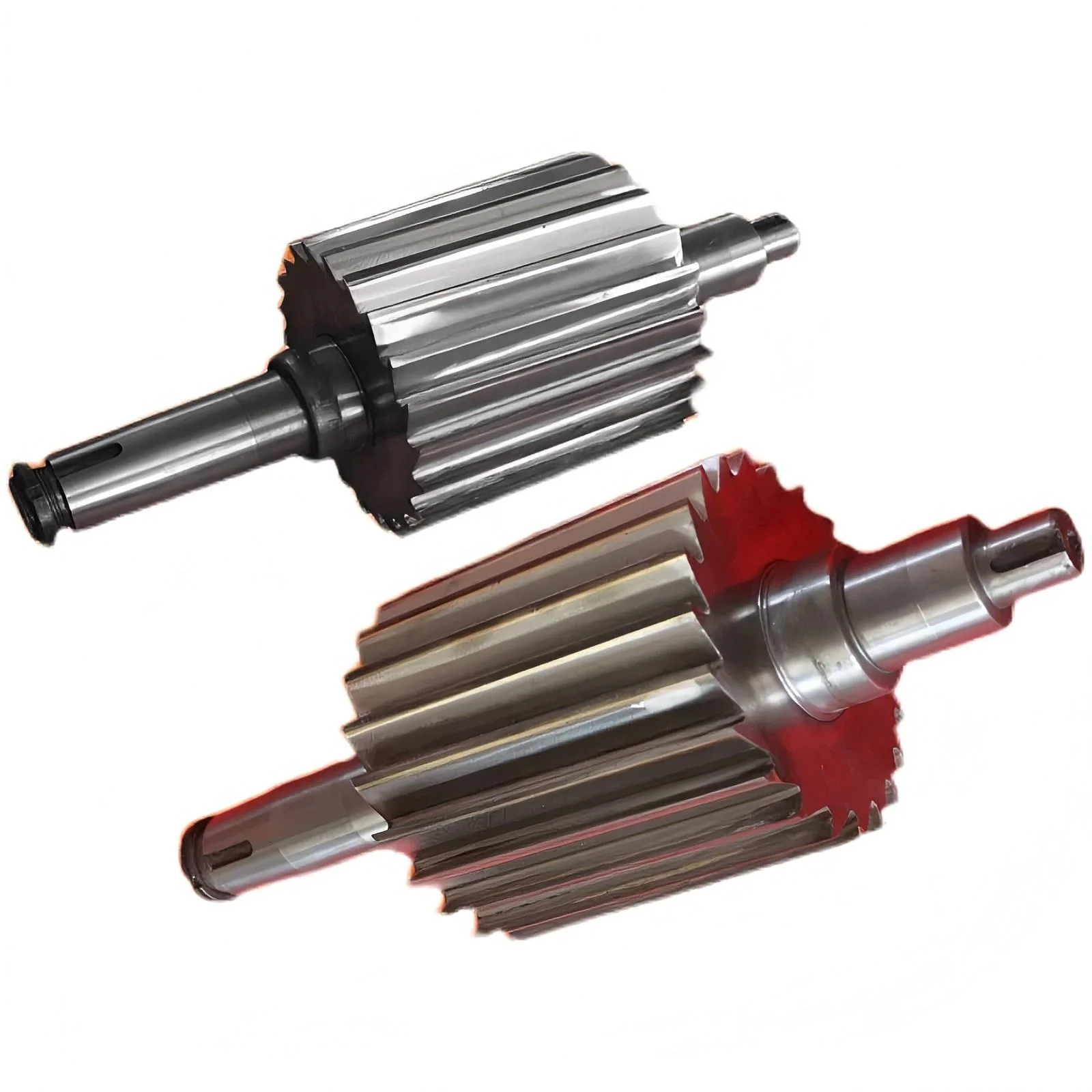
High-Precision Strand Pelletizer Rotors for Compounding Lines
Pelletizer Blades
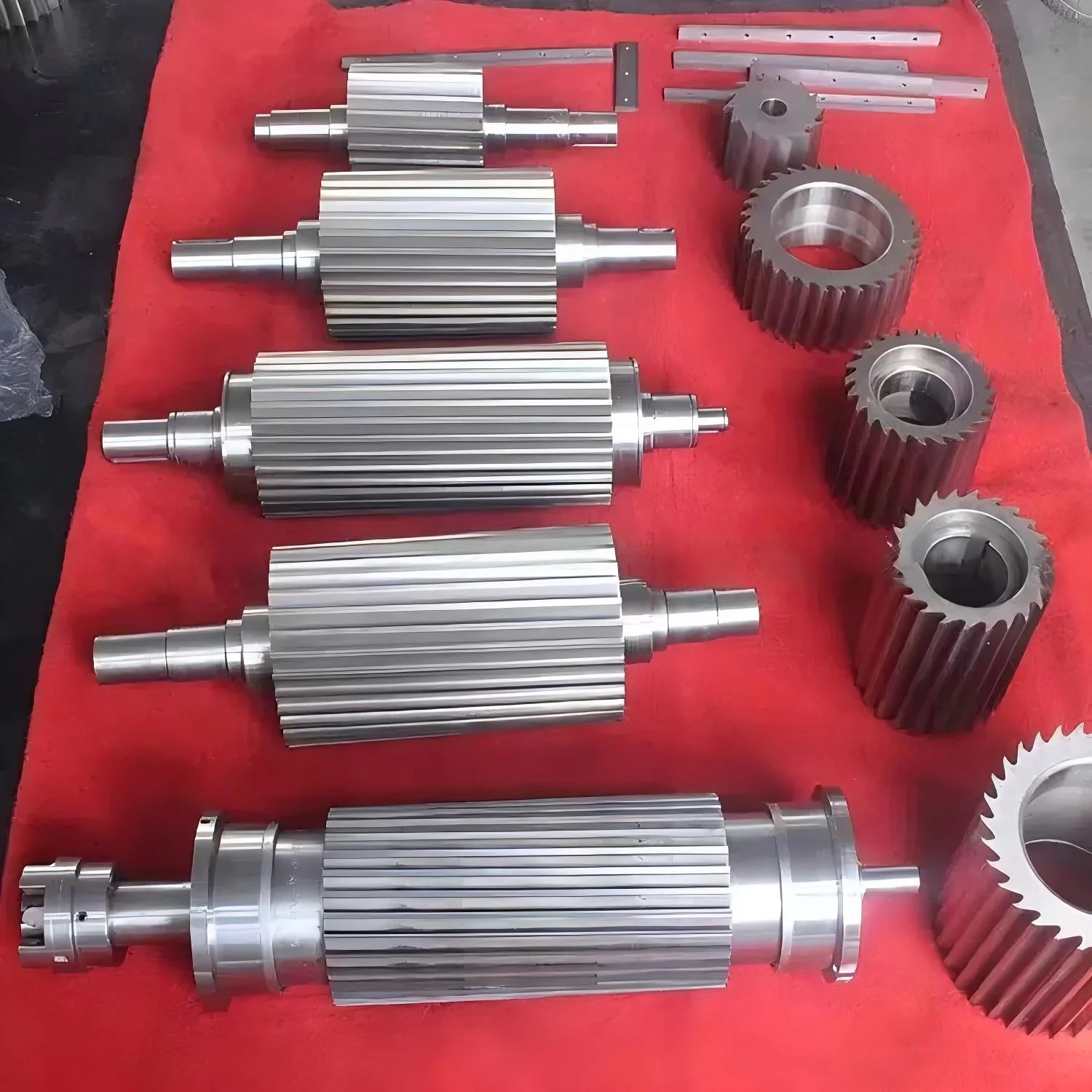
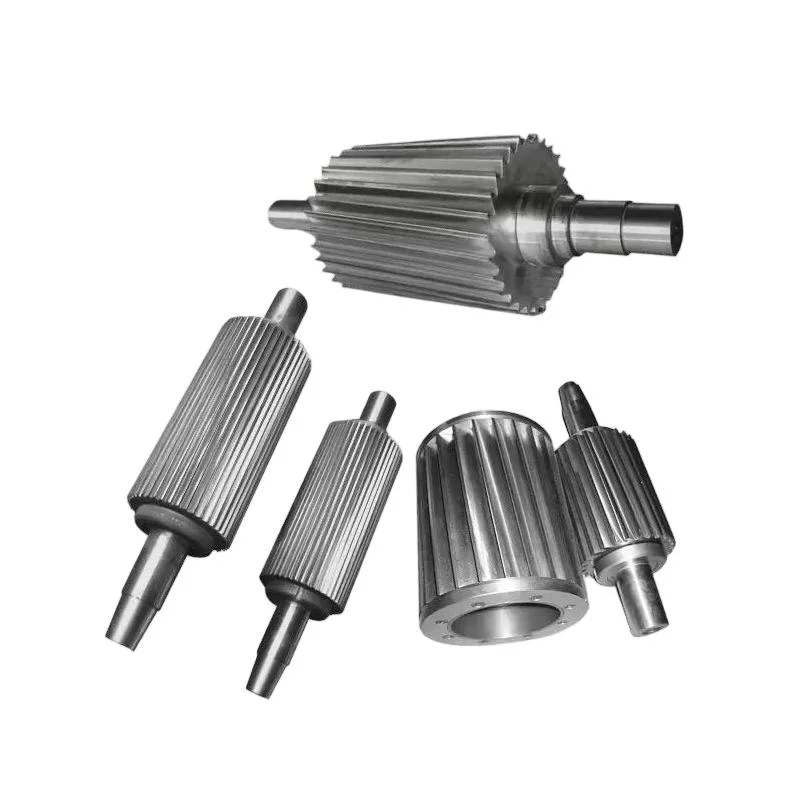
Strand pelletizer rotors and pelletizing cutter rotors for plastic compounding and recycling lines. PM-HSS (ASP2023, ASP2052) and solid tungsten carbide construction. Helical geometry with ≤0.005 mm concentricity, dynamic balancing to ISO 1940-1 G2.5. Drop-in replacement for Maag, Coperion, Cumberland, Conair, and Reduction Engineering pelletizers.
- ■Material: M2 (AISI M2 / 1.3343) | M35 (1.3243) | PM-HSS ASP2023 (1.3395) / ASP2052 / CPM10V | Solid WC & Brazed Carbide
- ■Application: GF/CF Compounding, Masterbatch, Engineering Thermoplastics (PA/PC/POM/PBT), Soft Elastomers (TPE/TPU/TPV)
■ ISO 9001:2015 Certified
■ In-House Heat Treatment
■ Strict Dimensional Tolerances
■ Global Door-to-Door Delivery
[ Engineering Reference ]
Decisive Specifications
| Material | M2 (AISI M2 / 1.3343) | M35 (1.3243) | PM-HSS ASP2023 (1.3395) / ASP2052 / CPM10V | Solid WC & Brazed Carbide |
|---|---|
| Application | GF/CF Compounding, Masterbatch, Engineering Thermoplastics (PA/PC/POM/PBT), Soft Elastomers (TPE/TPU/TPV) |
| Rotor Types | Helical (Spiral), Straight Edge, Brazed Carbide Inlay, Solid Carbide |
| Tooth Count | 10, 12, 16, 24, 32, 48, 60, up to 120 (custom) |
| Concentricity (Runout) | ≤ 0.005 mm — critical for micro-clearance setting |
| Surface Polish | Ra 0.2 µm — prevents polymer build-up and sticking |
| Dynamic Balancing | ISO 1940-1 G2.5 — vibration-free at peak RPM |
| Helical Angle | 1.5°, 2°, 3° or custom-milled to OEM blueprints |
■ All values verified via CMM inspection · ISO 9001:2015
[ RFQ Prompt ]
Need a Specific Size or OEM Replacement?
Don't see your exact specs? Send us a blueprint, a worn sample, or just your machine model. Our team will review the details and provide a tailored quotation.
[ Standard Reference ]
Common Standard Dimensions
| OEM Platform | Rotor Diameter (mm) | Cutting Width (mm) | Tooth Count | Helix Angle |
|---|---|---|---|---|
| Maag Primo / Baoli | 100 – 200 | 80 – 300 | 12 / 16 / 24 | 2° / 3° |
| Coperion SP Series | 120 – 250 | 100 – 350 | 16 / 24 / 32 | 1.5° / 2° |
| Cumberland Quietizer | 100 – 180 | 80 – 250 | 12 / 16 | 2° / 3° |
| Conair 304 / 306 / CS | 100 – 200 | 80 – 300 | 12 / 16 / 24 | 2° |
| Reduction Engineering SGS | 120 – 220 | 100 – 320 | 16 / 24 / 32 | 1.5° / 2° / 3° |
[ OEM Compatibility ]
Compatible Machine Brands
® Registered trademarks are property of their respective owners. Sureay supplies compatible replacement blades — not OEM-branded parts.
[ Technical Audit ]
Engineering Advantages
Zero-Defect Dynamic Balancing
Operating at high speeds, unbalanced rotors destroy bearings and ruin clearances. Every Sureay rotor is dynamically balanced at operating speeds to ISO 1940-1 G2.5 standards, ensuring whisper-quiet, vibration-free operation and protecting the pelletizer's bearing investment.
Flawless Helical Geometry
Using state-of-the-art 5-axis CNC grinding centers, we guarantee the helical pitch is constant across the entire cutting width. This ensures constant shear force, reducing motor load and preventing strand snapping on high-speed compounding lines.
Proprietary Vacuum Brazing
For carbide-tipped rotors, a specialized high-strength vacuum brazing process guarantees that carbide teeth will never detach, even under severe shock loads from cold strand starts or intermittent strand feed conditions.
[ System Inventory ]
Related Blade Categories
View All →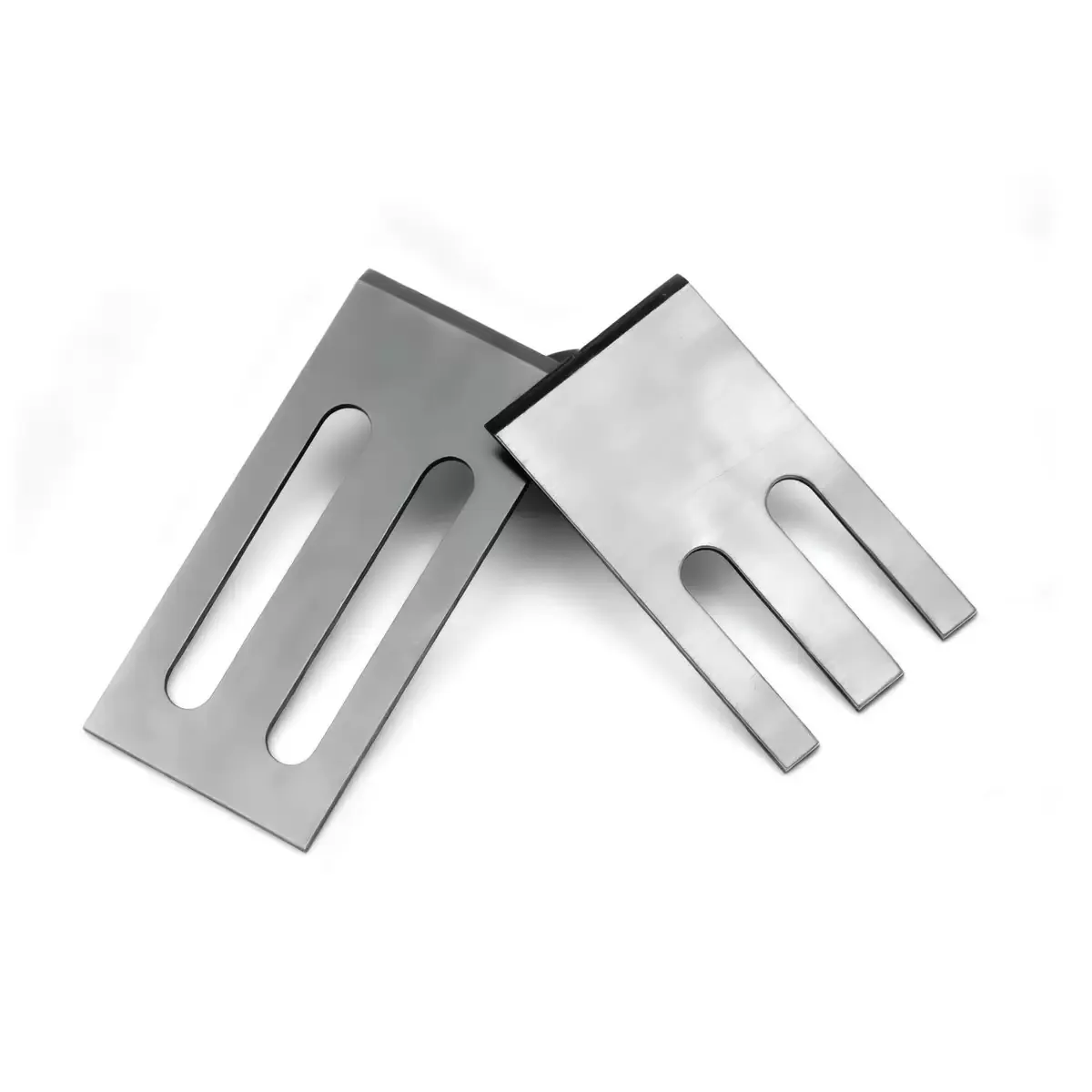

[ Knowledge Base ]
Product FAQs & Buying Guidance
Technical FAQs
01We process 40% Glass-Filled Nylon (PA66 GF40). Standard M2 rotors wear out in days. What is your solution?
+−
We process 40% Glass-Filled Nylon (PA66 GF40). Standard M2 rotors wear out in days. What is your solution?
For extreme abrasive wear, M2 steel is insufficient. We recommend our PM-HSS grades (ASP2023 or ASP2052) or our brazed Tungsten Carbide rotors. While the initial investment is higher, tool life is extended by up to 1000%, drastically reducing machine downtime and lowering your cost-per-ton of compound. For PA66 GF40 specifically, brazed carbide inlay rotors are the most cost-effective long-term solution — the HSS body handles shock loading while the carbide cutting edges resist abrasion.
02Why are we getting 'tails' on our pellets, and how can your rotors fix this?
+−
Why are we getting 'tails' on our pellets, and how can your rotors fix this?
Tailing occurs when the polymer strand is torn or melted rather than cleanly sheared. This is caused by blunt rotor teeth, irregular helical angles, or excessive clearance from rotor runout. Sureay rotors feature a concentricity of ≤0.005 mm, allowing your technicians to set a micro-gap against the bed knife for a perfect, scissor-like cut. The polished flute surface (Ra 0.2 µm) also prevents polymer sticking that creates drag and uneven shear force.
03What is the difference between helical and straight-edge rotors, and when should I use each?
+−
What is the difference between helical and straight-edge rotors, and when should I use each?
Helical rotors produce a progressive shear action — only one tooth segment engages at a time — which reduces peak cutting force, motor amperage spikes, and strand snap events. This makes them the standard choice for rigid thermoplastics and filled compounds on high-speed lines. Straight-edge rotors engage the full cutting width simultaneously, which is preferred for soft elastomers (TPE, TPU, TPV) where the gradual helical shear force can stretch and deform the strand rather than cutting it cleanly.
04Can you duplicate a custom rotor if we send a physical sample or CAD drawing?
+−
Can you duplicate a custom rotor if we send a physical sample or CAD drawing?
Absolutely. As a direct manufacturing facility, we have full reverse-engineering capabilities. You can send us your worn rotor or technical blueprints, and we will produce a detailed CAD drawing for your approval before manufacturing the exact replacement. Dimensional verification on CMM is performed before shipment.
05How do I know when to replace or regrind my strand pelletizer rotor?
+−
How do I know when to replace or regrind my strand pelletizer rotor?
Key indicators: (1) increasing pellet fines and dust in the pellet stream — dulled teeth tear rather than shear; (2) rising motor amperage on the pelletizer drive — blunt edges require more force; (3) strand snapping becoming more frequent — irregular shear force from worn geometry increases tension spikes; (4) tailing reappearing despite correct gap setting — worn concentricity causes gap variation around the rotor circumference. For PM-HSS rotors, precision regrinding to OEM geometry is cost-effective. For carbide-tipped rotors, carbide can be re-tipped once before full rotor replacement is required.
Why Choose Sureay
01Can Sureay supply matched rotor and bed knife (stator) sets?
+−
Can Sureay supply matched rotor and bed knife (stator) sets?
Yes, and we strongly recommend purchasing them as matched pairs. We manufacture stator bed knives in Stellite 6 (for HSS rotors) and Solid Carbide (for carbide-tipped rotors). A matched pair ensures the cutting gap geometry and hardness differential are optimized together, delivering zero-tail pelletizing from the first strand. Mismatched rotor-stator combinations are a leading cause of premature wear and tailing on otherwise well-maintained lines.
02What lead times and documentation can Sureay provide for replacement rotors?
+−
What lead times and documentation can Sureay provide for replacement rotors?
Standard PM-HSS replacement rotors for common OEM platforms (Maag, Coperion, Cumberland) ship in 10–15 working days from drawing approval. Custom helix angles or non-standard tooth counts require 15–20 working days. Every rotor ships with: CMM dimensional inspection certificate, dynamic balancing report (ISO 1940-1 G2.5), hardness test certificate, and steel mill material traceability. Rush production available subject to schedule.
Reach Our Team
Get in Touch with Our Engineers
Contact Our Team
Discuss your requirements directly with our engineers.
Request a Quote
Our engineering team responds within 2 hours.