Slitter Knives & Circular Blades
Rotary slitter knives for shear, score & razor cutting — film, paper, nonwovens & metal foil.
Get a QuoteSlitter Knives Configurations
Rotary slitter knives for shear, score & razor cutting — film, paper, nonwovens & metal foil.
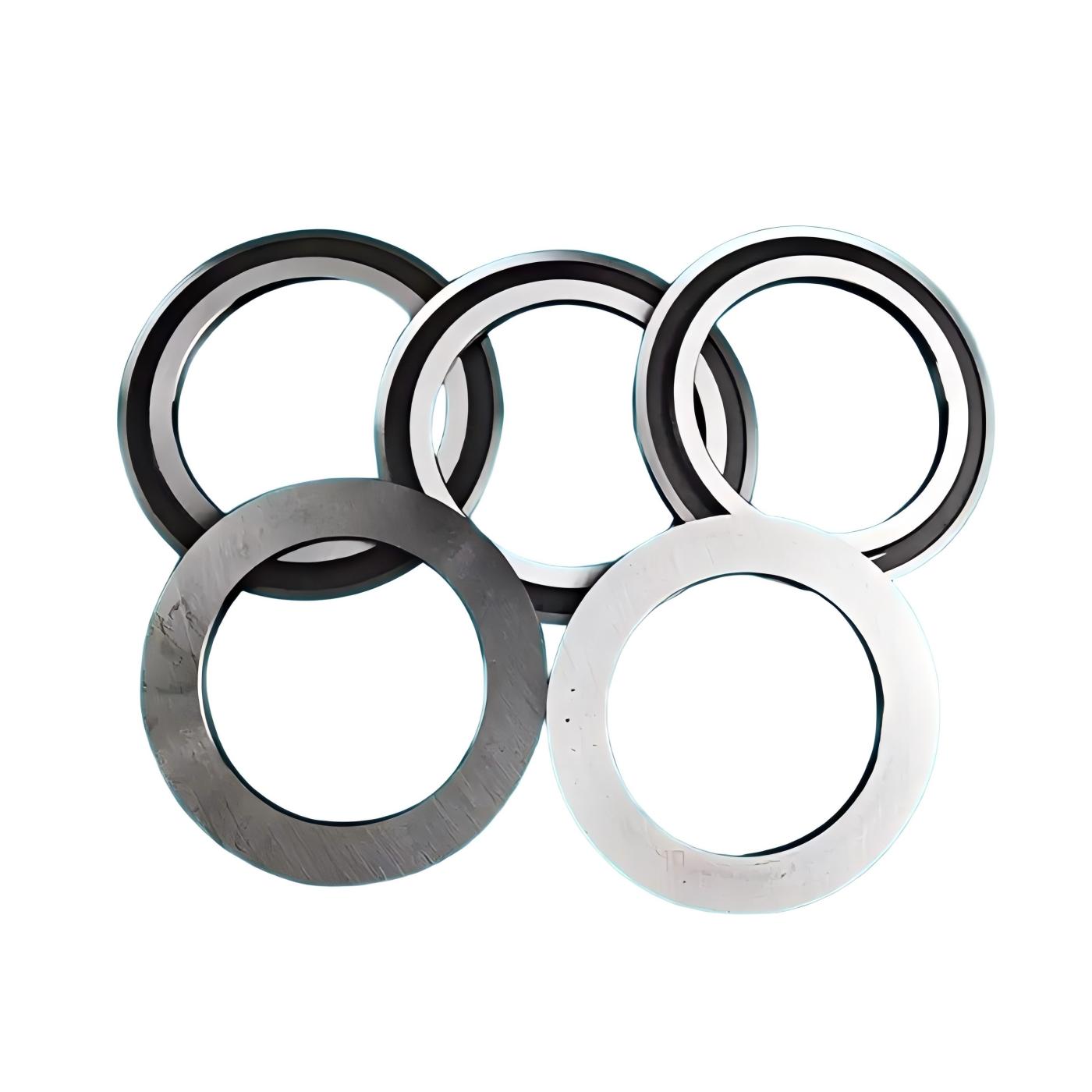 Film & Converting
Film & Tape Slitter Knives
52100 / D2 / M2 HSS / ASP23 PM / Solid Carbide
50–200 mm (custom OD available)
Made to order · OEM compatible
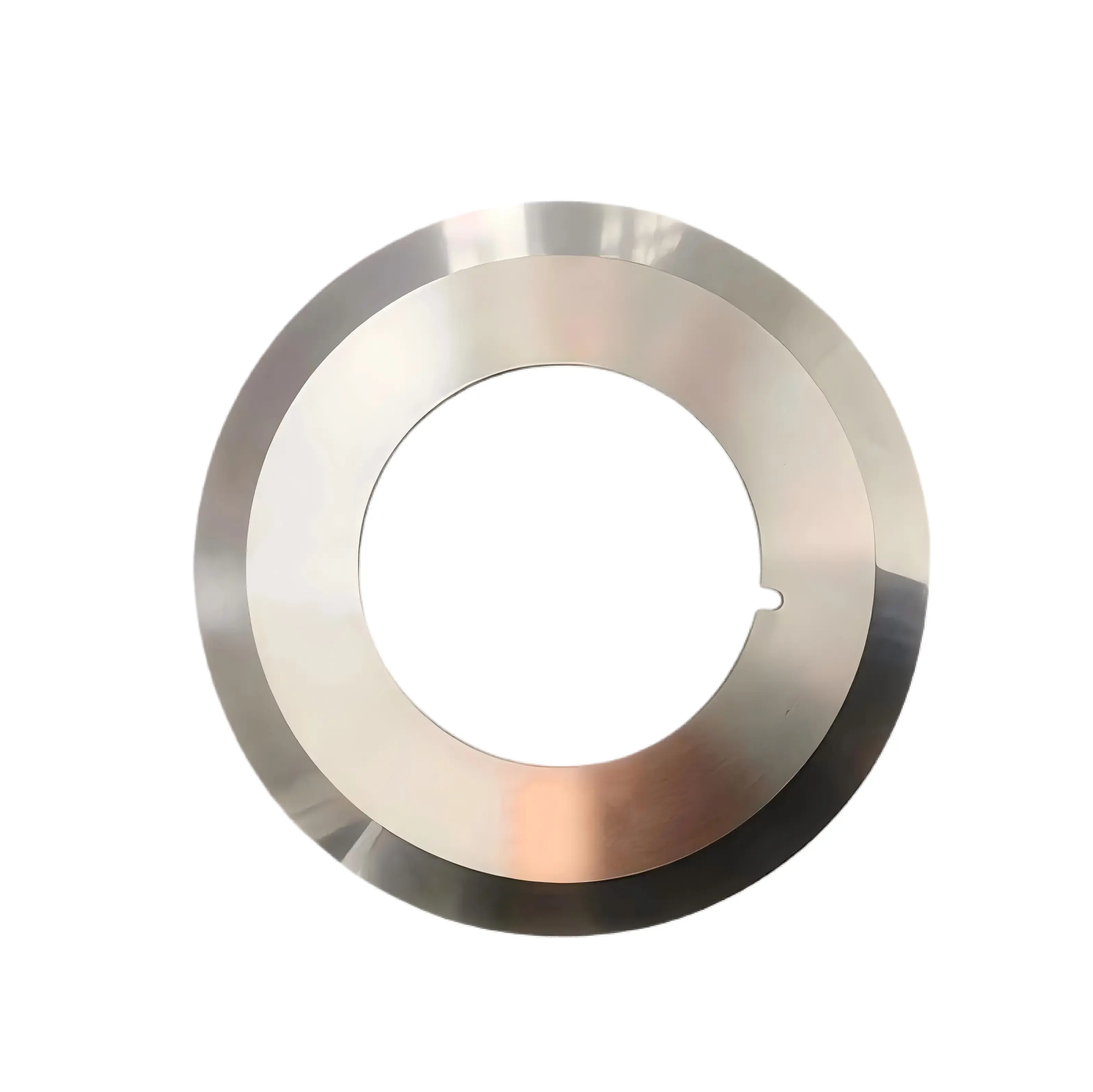 Paper & Tissue
Paper Slitter Knives
D2 Tool Steel, M2 HSS, 52100 Bearing Steel, Tungsten Carbide
HRC 58–64 (steel) / HRA 90–92 (carbide)
Made to order · OEM compatible
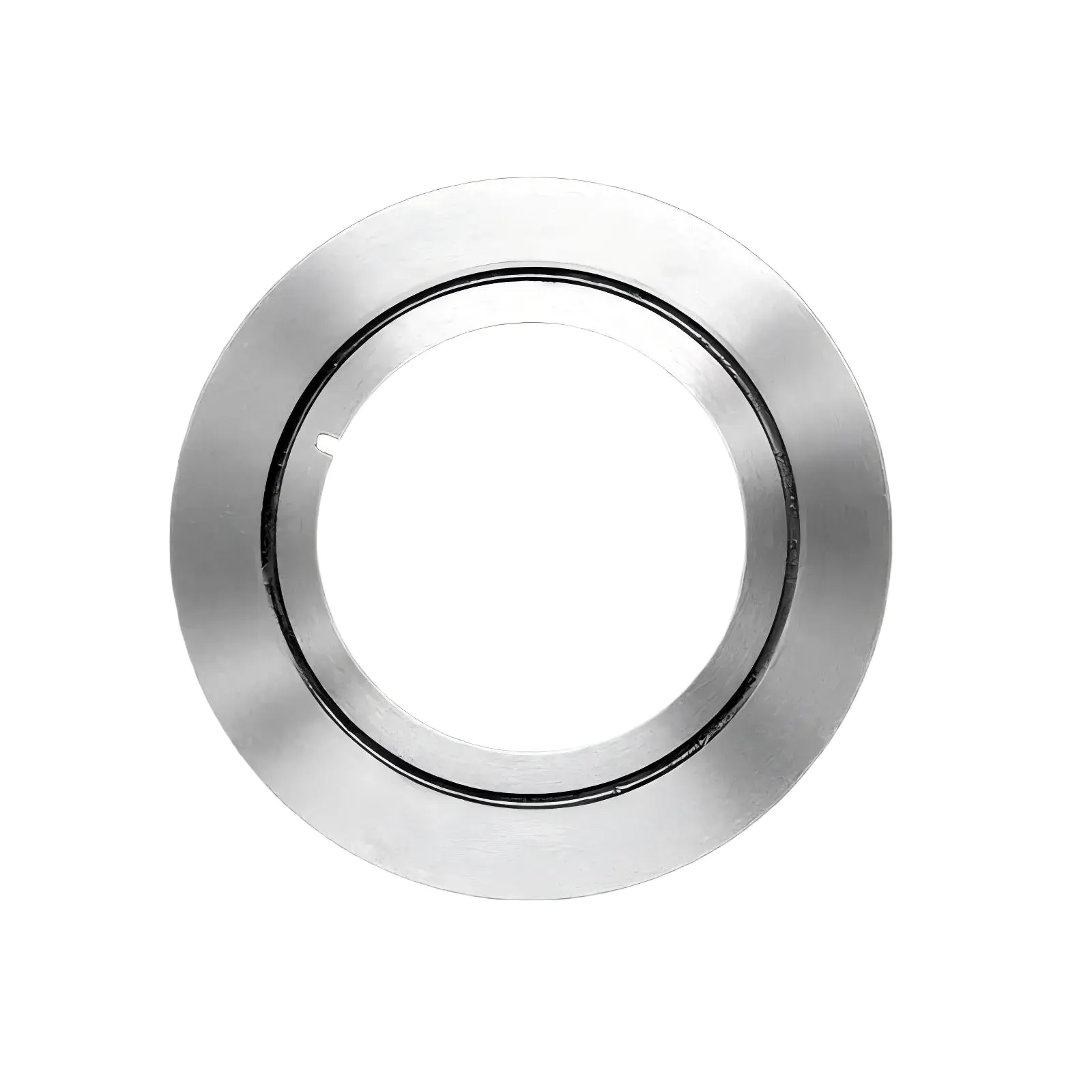 Metal Processing
Coil & Strip Slitters
ASP23, ASP52 (PM Steel), Solid Tungsten Carbide, D2/D3
Strictly ±0.001 mm
Made to order · OEM compatible
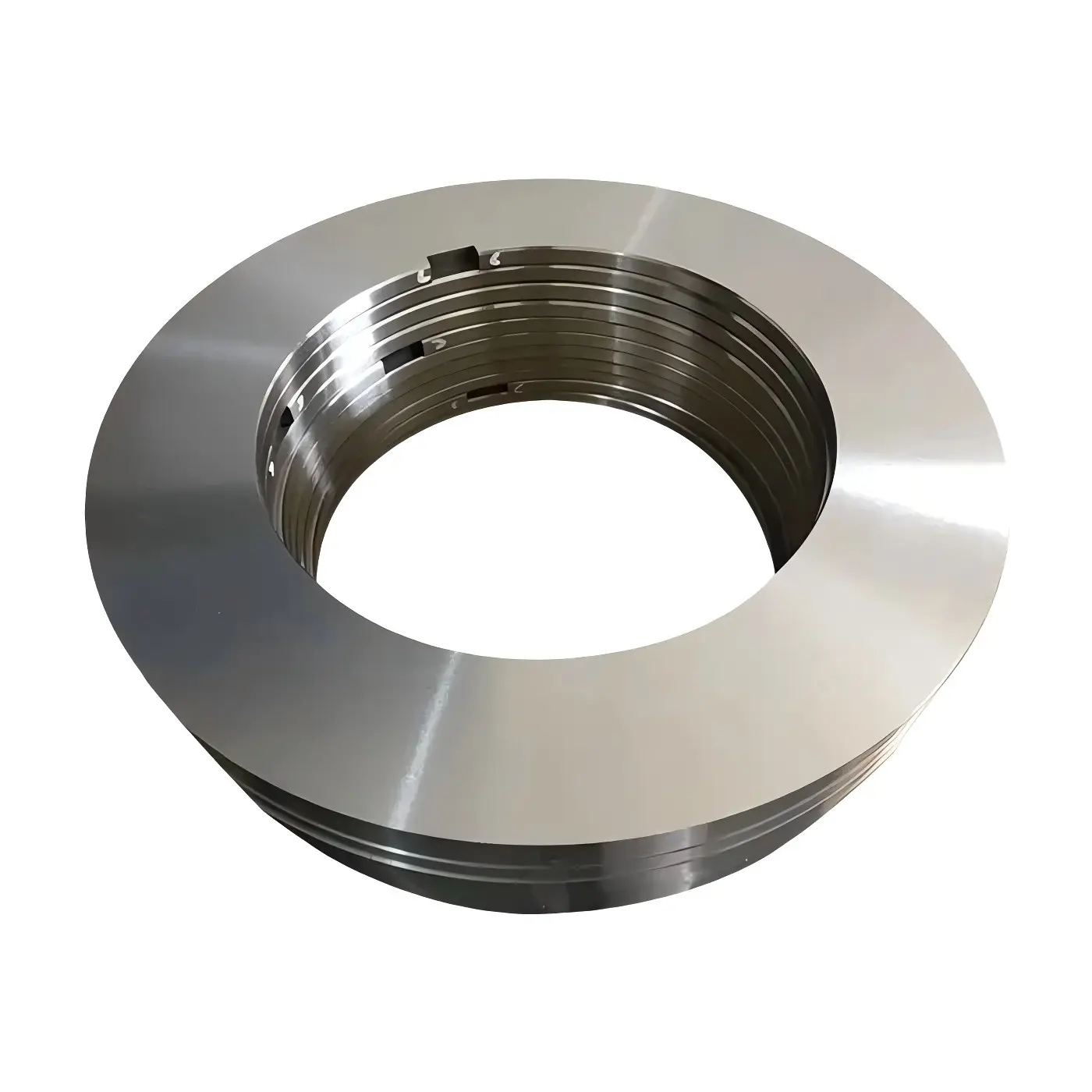 Metal Processing
Metal Coil Slitting Knives
D2, SKD11, Cr12MoV (Cold-Roll) | H13, 6CrW2Si (Hot-Roll)
Strictly ±0.001 mm
Made to order · OEM compatible
 New Energy
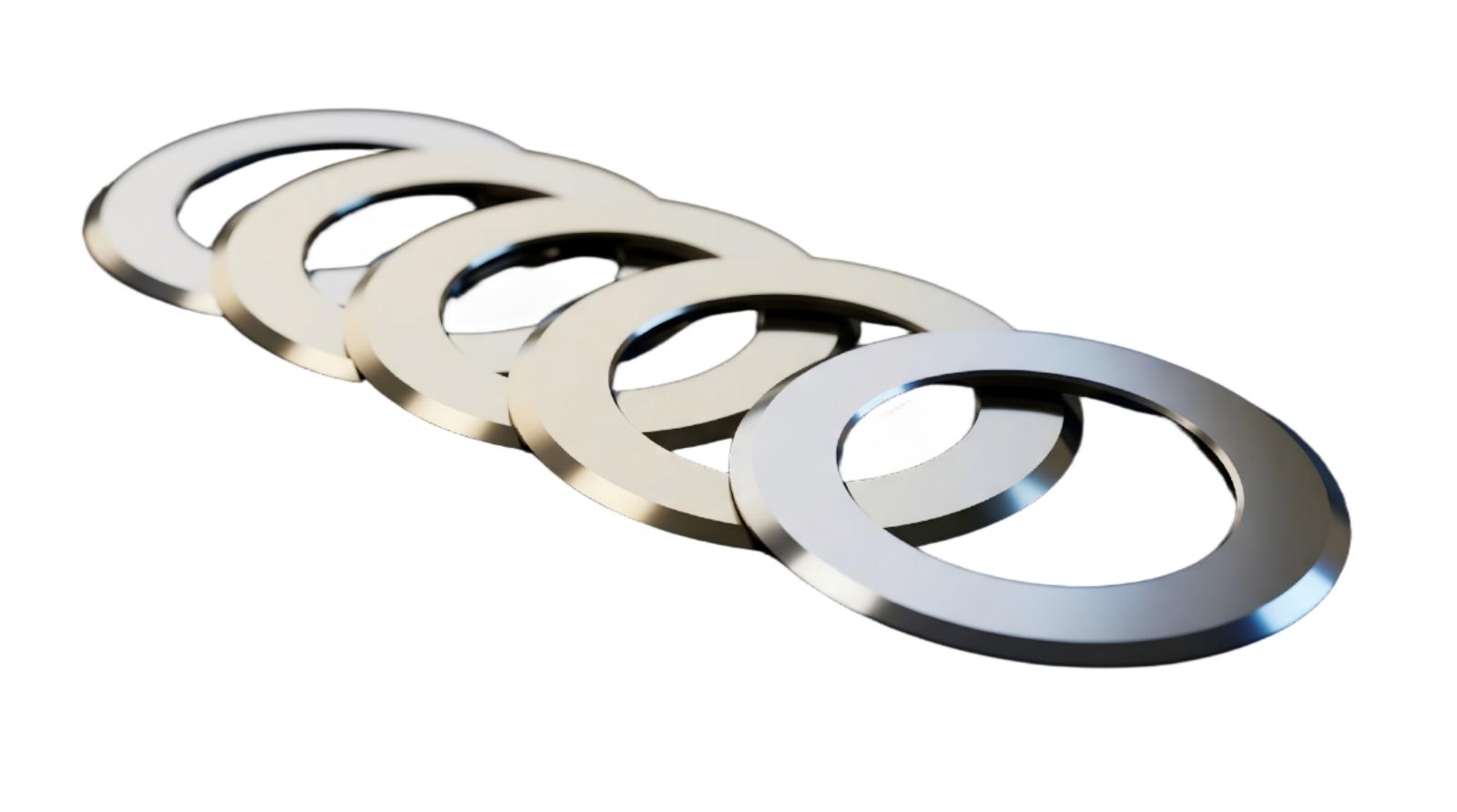
Battery Slitting Knives
Ultra-fine WC-Co Tungsten Carbide, Cermet (on request)
Mirror polish Ra ≤ 0.05μm — zero-notch edge
Made to order · OEM compatible
 Paper & Tissue
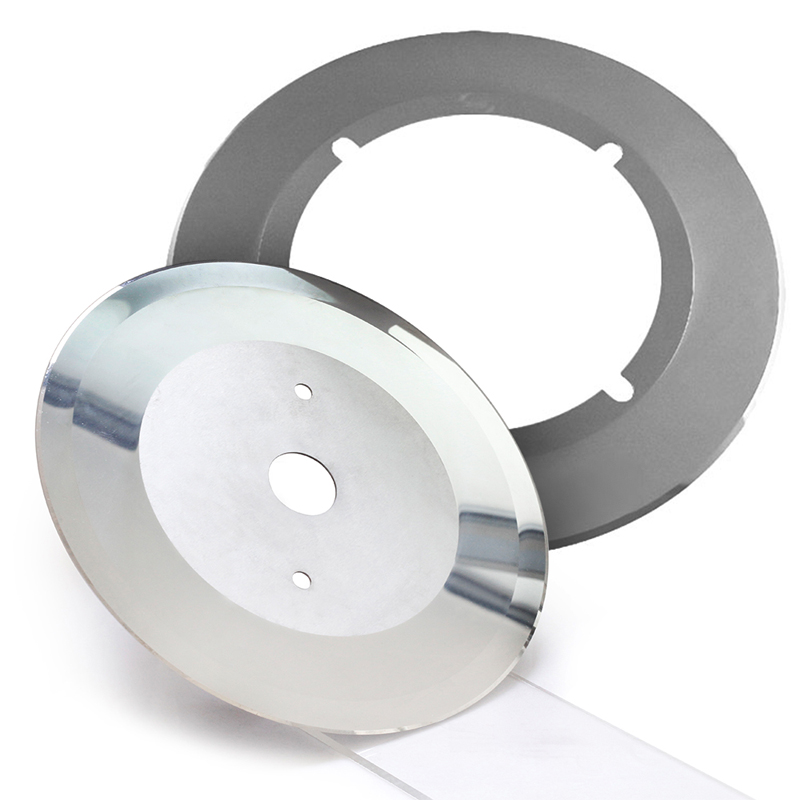
Corrugated Slitter Blades
Tungsten Carbide WC-Co K05 / K10 / K20 (grade by board type)
1.0 mm – 1.2 mm (Ensures high-speed rigidity)
Made to order · OEM compatible
 Film & Converting
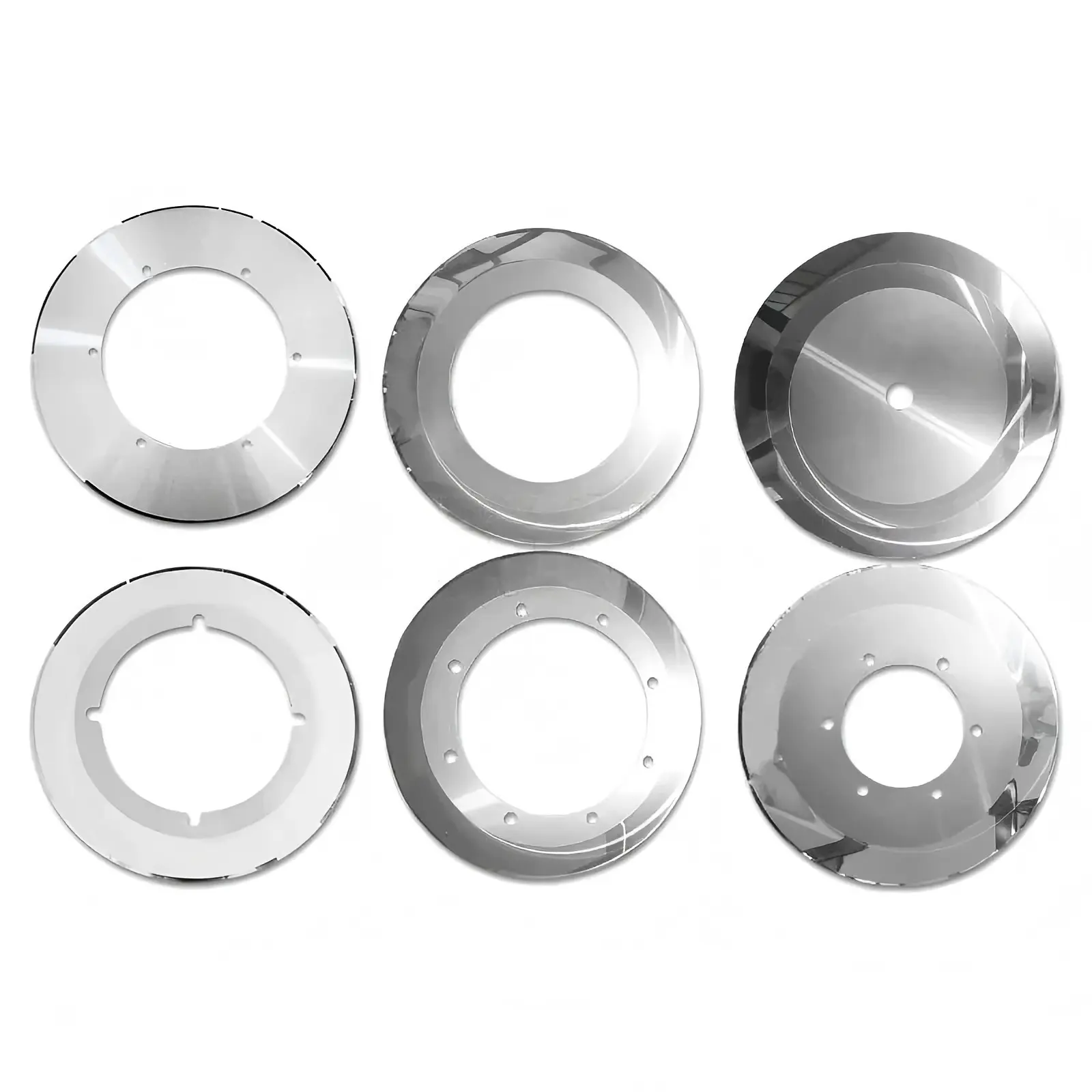
Nonwoven Slitter Knives
M2 HSS (standard) / D2 (heavy nonwoven) / 52100 (hydroentangled)
HRC 62–64 (M2) | HRC 60–62 (D2)
Made to order · OEM compatible
 Film & Converting
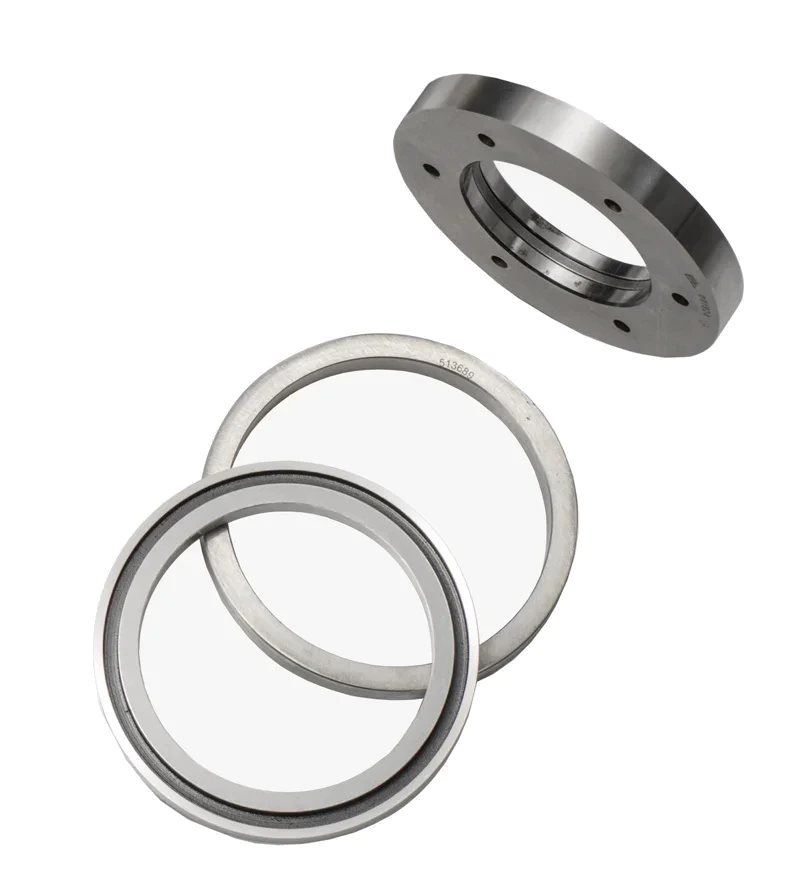
Bottom Grooved Anvil Knives
D2 / M2 HSS / ASP23 PM / Solid Carbide
Groove width ±0.01 mm | Face flatness ≤0.003 mm
Made to order · OEM compatible
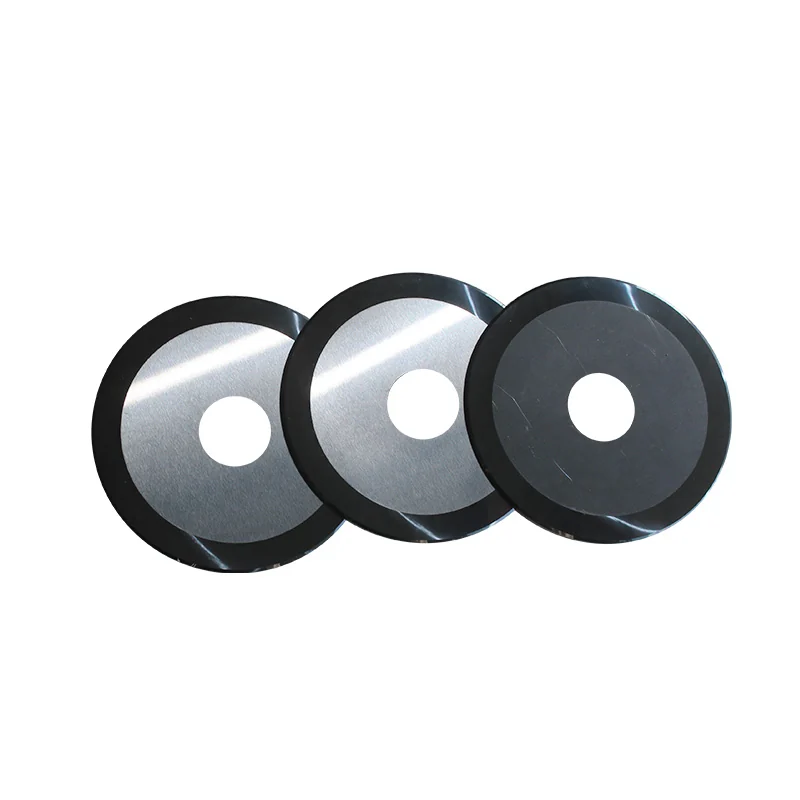 Film & Converting
Tungsten Carbide Slitter Knives
Micro-grain tungsten carbide — YG6 / YG6X / YG8 / YG10X (ISO K10 / K10UF / K20 / K30)
0.4–0.8 µm, ultra-fine to sub-micron
Made to order · OEM compatible
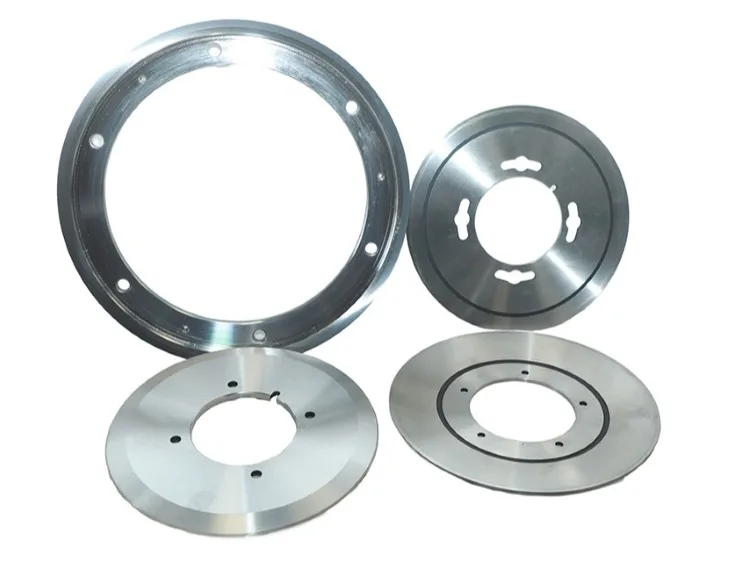 Paper & Tissue
Slitter Rewinder Bottom Knives
Solid tungsten carbide / carbide-tipped / HSS
Φ250–Φ254 mm standard
Made to order · OEM compatible
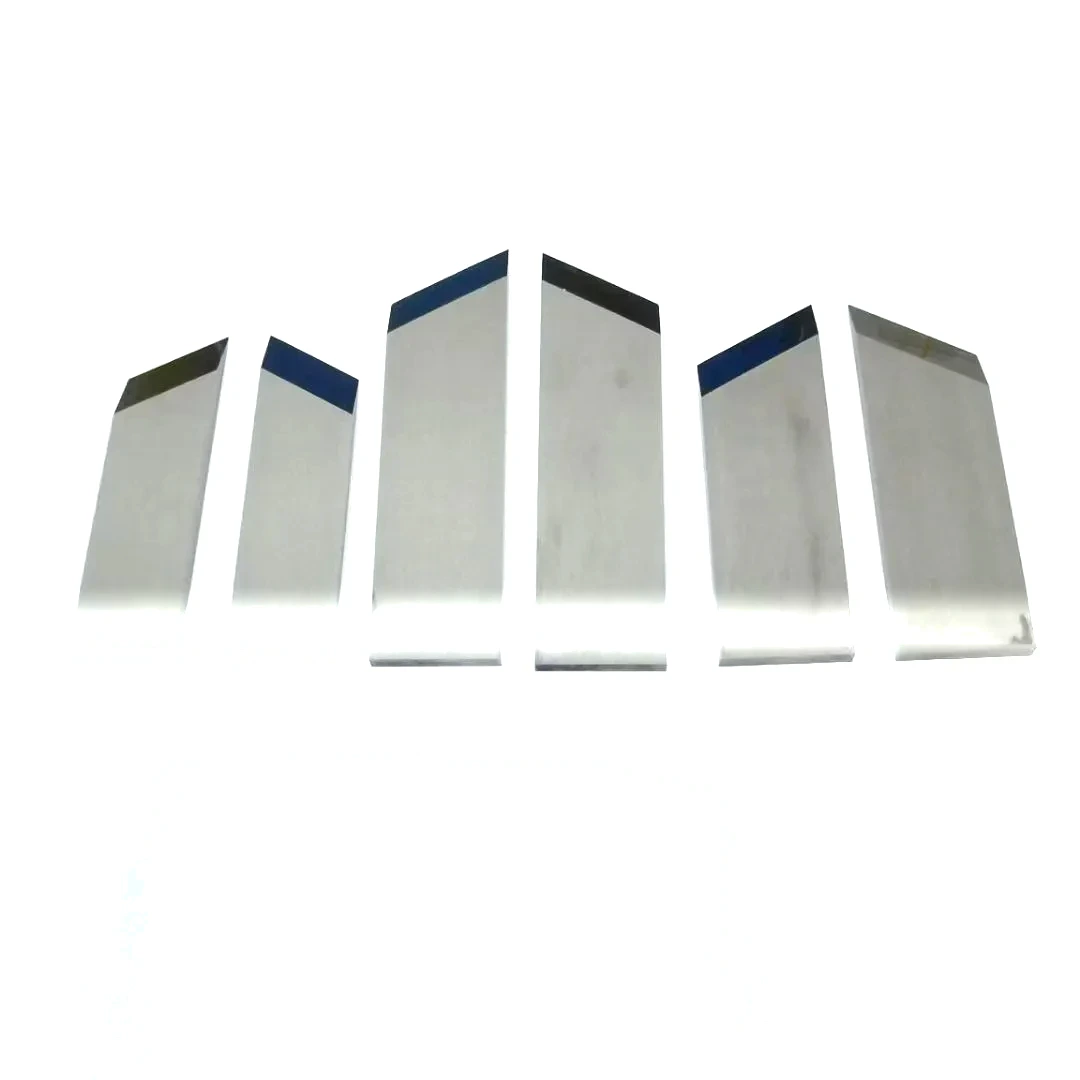 Film & Converting
Box Slotting Knives
High-grade tungsten carbide
50 / 60 mm
Made to order · OEM compatible
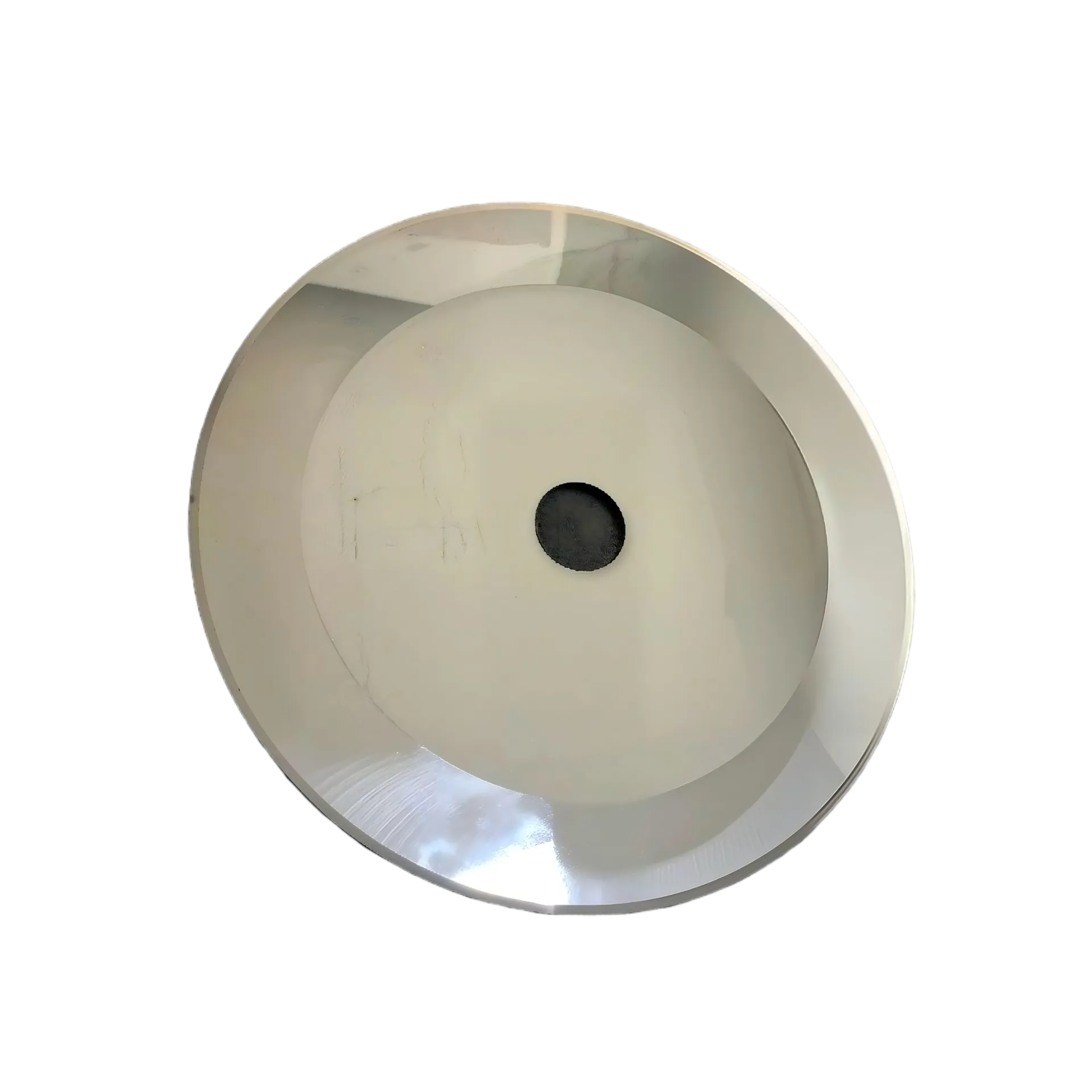
Key Specifications
- Thickness Tolerance
- ±0.002 mm
- T.I.R. Runout
- ≤0.02 mm
- Materials
- M2 HSS · D2 · ASP23 PM · Carbide
- Coatings
- TiN · DLC · Teflon
- Cutting Modes
- Shear · Score · Razor
- Applications
- Film · Paper · Nonwovens · Foil
- Tidland®
- Mario Cotta®
- Dusenbery®
- Kampf®
- Atlas®
- Goebel®
- BHS®
- Agnati®
- Atlas Converting®
- Parkinson®
- Laem System®
- Euromac®
- Goebel IMS®
- Fabio Perini®
- Körber®
- Sundwig®
- GOEBEL IMS®
- Fagor Arrasate®
- Camu®
- Heinrich Georg®
- Kohler®
- Yuri Roll®
- Hohsen®
- Red Bud Industries®
- Braner®
- Salico®
- Athader®
- Kaido®
- Koem®
- Hirano Tecseed®
- CKD®
- Manz®
- Targray®
- FOSBER®
- Marquip®
- Martin / Bobst®
- TCY®
- Isowa®
- Parkinson Spencer Rees®
- ACCO Brands®
- Erhardt+Leimer®
- Beck®
- Bielomatik®
- Clark Aiken®
- DATM®
- Didde®
- ECH Will®
- Harris®
- Hamblett®
- Jagenberg®
- Langston®
- Lenox®
- Maxson®
- Miltex®
- Masson Scott®
- Pasaban®
- Hauni®
- Dienes®
- Nishimura®
- Deacro®
- Parkinson Technologies®
All brand names and trademarks are the property of their respective owners and are used for machine compatibility reference only. Sureay is not affiliated with or endorsed by these manufacturers.
Reach Our Team
Get in Touch with Our Engineers
Contact Our Team
Discuss your requirements directly with our engineers.
Request a Quote
Our engineering team responds within 2 hours.