Plastic Size-Reduction Blades: Granulator, Pelletizer & Compactor
Choose between granulator rotor and bed knives, strand pelletizer rotors, die-face cutting knives, compactor blades and melt filter scrapers.
Get a QuoteGranulator Blades Configurations
Choose between granulator rotor and bed knives, strand pelletizer rotors, die-face cutting knives, compactor blades and melt filter scrapers.
 Recycling
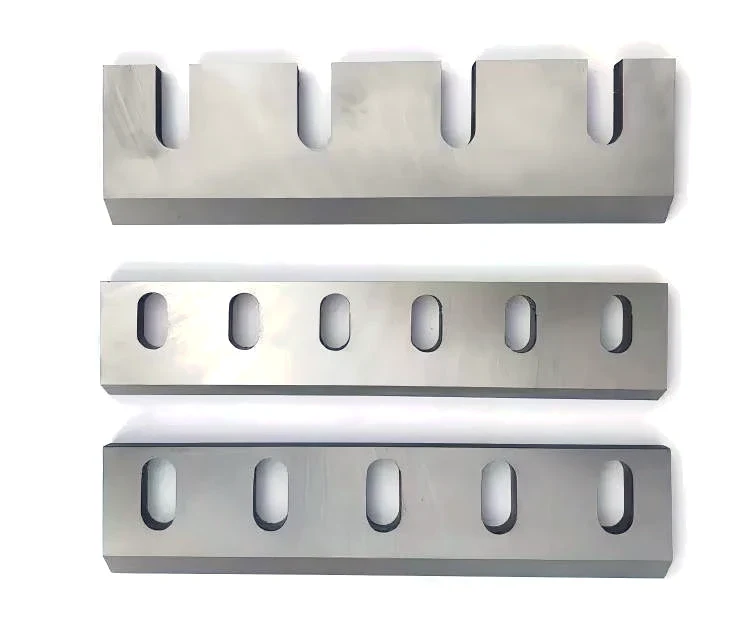
Granulator Blades
D2 (1.2379), SKD-11, DC53, Cr12MoV
HRC 58–62 (Cryogenically Stabilized)
Made to order · OEM compatible
 Recycling
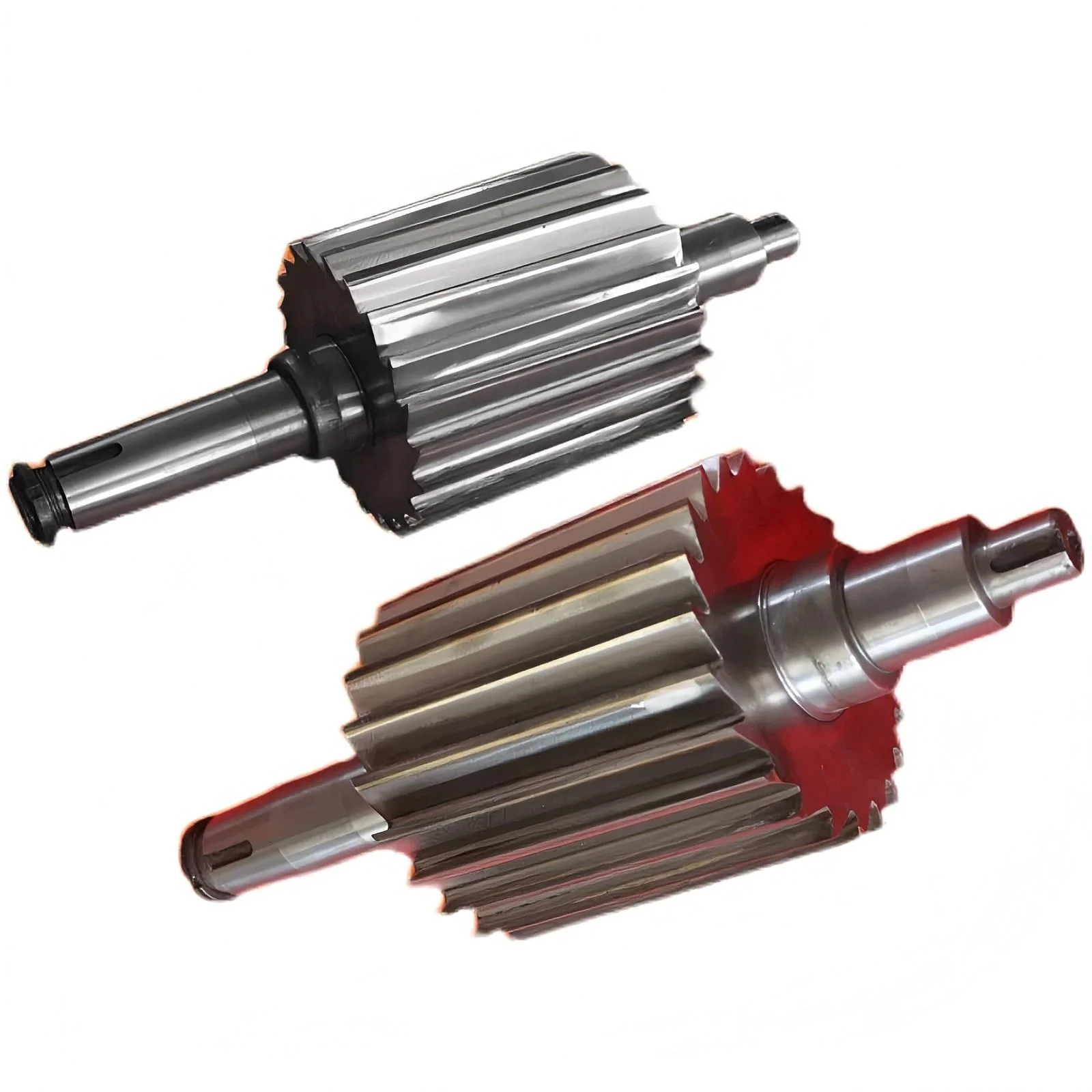
Strand Pelletizer Rotors
M2 (AISI M2 / 1.3343) | M35 (1.3243) | PM-HSS ASP2023 (1.3395) / ASP2052 / CPM10V | Solid WC & Brazed Carbide
GF/CF Compounding, Masterbatch, Engineering Thermoplastics (PA/PC/POM/PBT), Soft Elastomers (TPE/TPU/TPV)
Made to order · OEM compatible
 Recycling
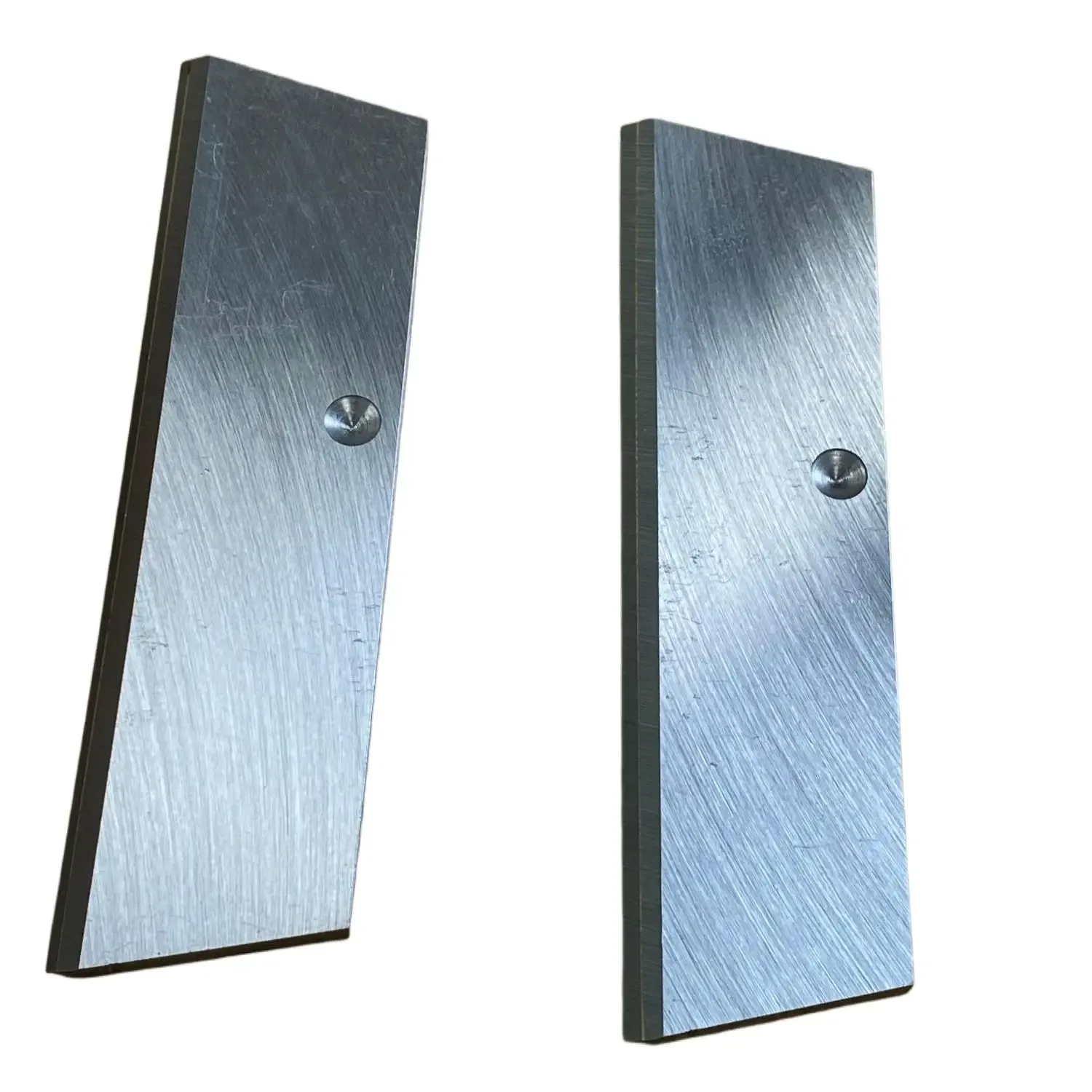
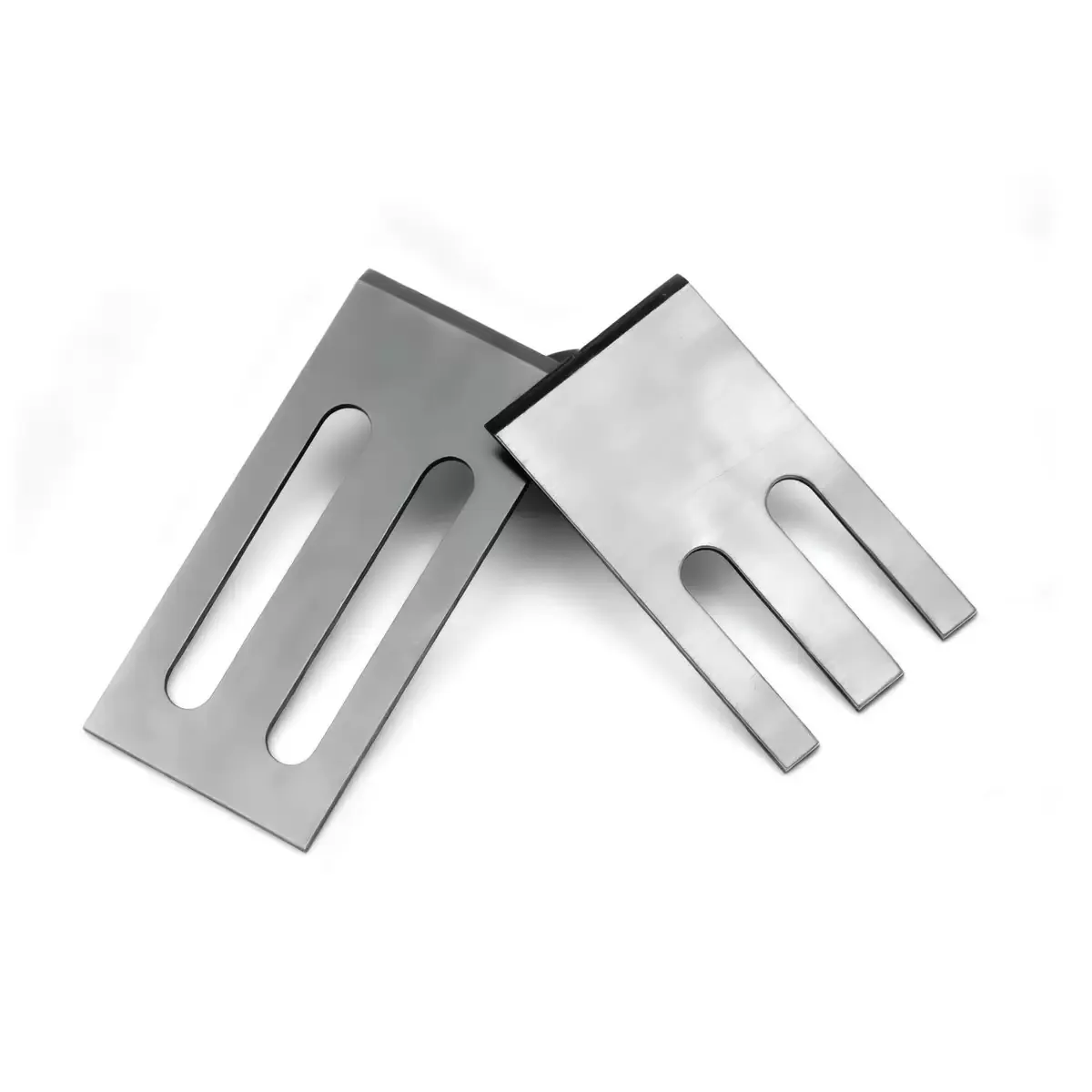
Melt Filter Scraper Blades
D2 Tool Steel / H13 Hot-Work Steel / Solid Tungsten Carbide
±0.05 mm (blade profile) | ±0.02 mm (thickness)
Made to order · OEM compatible
Key Specifications
- Materials
- H13 · D2 · M2 HSS · Carbide
- Geometry
- Optimized rake angle
- Machines
- Rotary · Claw · Hopper · Pelletizing
- Benefit
- Lower motor load · Less dust
- Applications
- Plastic regrind · Size reduction
- Regrindable
- Yes — multiple cycles
- Rapid Granulator®
- Herbold Meckesheim®
- ZERMA®
- Getecha®
- Cumberland Engineering®
- Conair®
- Wittmann Battenfeld®
- Gamma Meccanica®
- Maag®
- Coperion®
- Cumberland®
- Reduction Engineering®
- EREMA®
- Gneuß®
- Ettlinger®
- FIMIC®
- Kreyenborg®
- Nordson BKG®
- NGR®
- Starlinger®
- Erdwich®
- Previero®
- Sorema®
- Plasmac®
- Munchy®
- Gala®
- ECON®
- Tecnova®
- IPS®
- Filtec®
All brand names and trademarks are the property of their respective owners and are used for machine compatibility reference only. Sureay is not affiliated with or endorsed by these manufacturers.
Reach Our Team
Get in Touch with Our Engineers
Contact Our Team
Discuss your requirements directly with our engineers.
Request a Quote
Our engineering team responds within 2 hours.