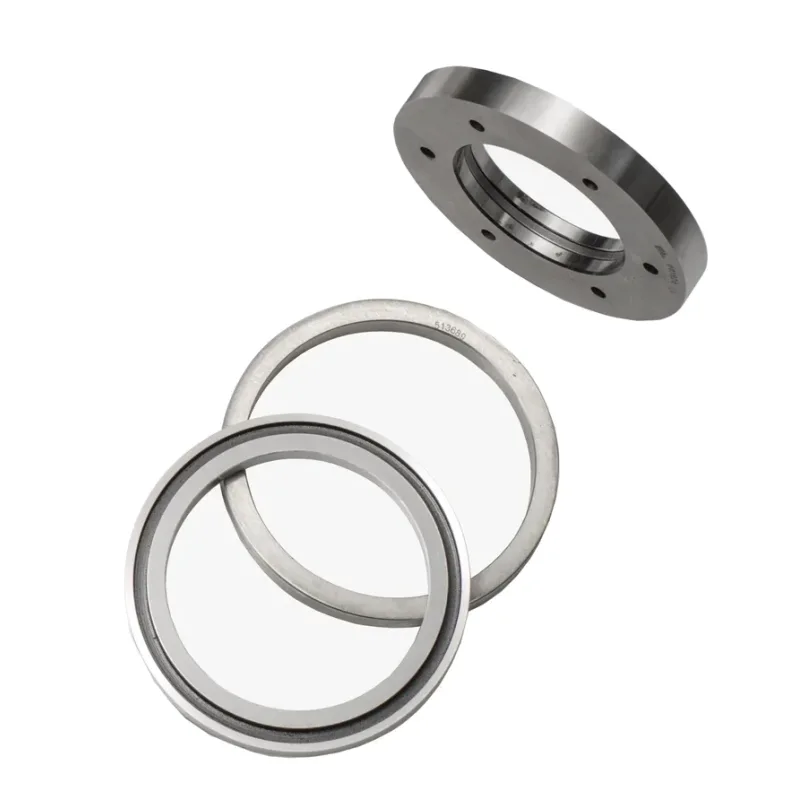
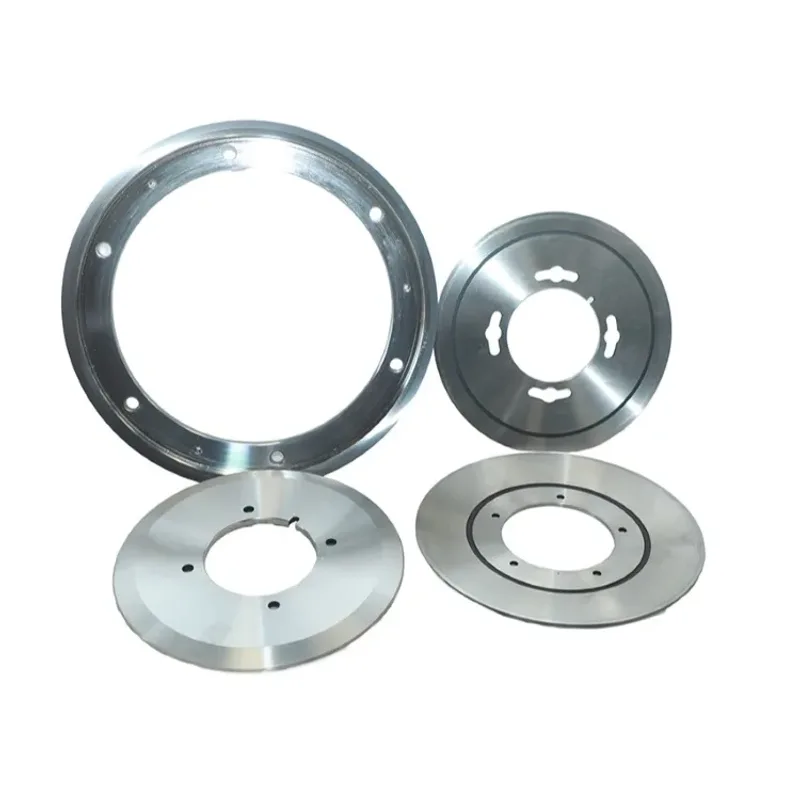
Bottom Grooved Anvil Knives for Shear Slitting
- ■Sizes: Grooved rings OD 46–250 mm
- ■Material: 52100, D2, M2 HSS, PM HSS (including ASP23), solid carbide or carbide-tipped construction
- ■Application: Film, paper, foil and nonwoven slitting
Technical Specifications
- Sizes: Grooved rings OD 46–250 mm
- Material: 52100, D2, M2 HSS, PM HSS (including ASP23), solid carbide or carbide-tipped construction
- Applications: Film, paper, foil and nonwoven slitting
- Razor sleeves: Relieved groove to clear the razor edge
- Groove width tolerance: ±0.01 mm
- Face flatness: ≤0.003 mm
- Bore tolerance: H6 finish-ground bore
- Optional Coatings: TiN on the groove face, DLC or PTFE (Teflon)
- Runout: ≤0.02 mm T.I.R.
- Mounting: Plain bore (NN), eccentric lock (NG), set-screw lock (NS), or split-ring / clamp mounting
- Shear Clearance: 0.02–0.15 mm, according to the substrate and knife pair
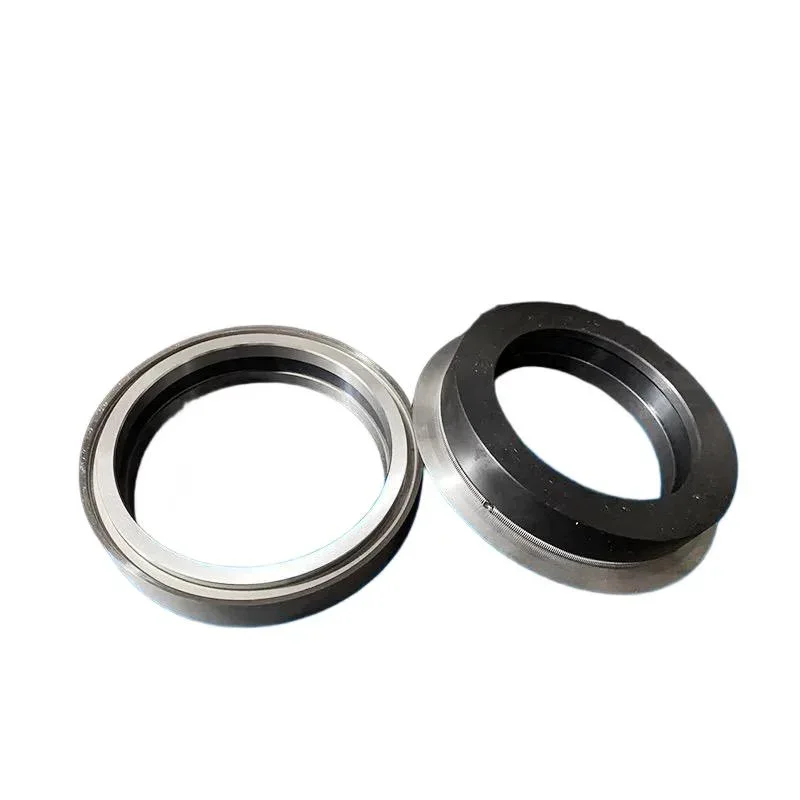
Common Standard Dimensions
| Item No. | Dimensions (OD × ID × W) | Profile or reference |
|---|---|---|
| SR001451 | 46 × 25 × 5 mm | DIENES dimensional series |
| SR001452 | 80 × 60 × 10 mm | Grooved bottom ring |
| SR001453 | 105 × 90 × 15 mm | Grooved bottom ring |
| SR001454 | 105 × 90 × 8 mm | Kampf dimensional reference |
| SR001455 | 105 × 90 × 17 mm | Kampf dimensional reference |
| Item No. | Dimensions (OD × ID × W) | Platform Reference | Groove Profile |
|---|---|---|---|
| SR001840 | 70 × 25.4 × 8 / 10 mm | Tidland — Single Groove | W: 1.2 × D: 2.0 / 60° |
| SR001841 | 100 × 60 × 20 / 25 mm | Atlas — 3-Slot Anvil | W: 1.5 × D: 2.5 / 60° |
| SR001842 | 80 × 30 × 10 mm | Mario Cotta — Single Groove | W: 1.3 × D: 2.2 / 45° |
| SR001843 | 130 × 80 × 12 mm | Dienes — Single Groove | W: 1.5 × D: 3.0 / 60° |
| SR001844 | Per drawing | Custom Anvil / Hardfaced | OEM Spec; Exact CNC Machined Groove |
Need a size that is not listed?
Send a drawing, a worn sample, or just your machine model. We reply with a quotation within 24 hours.
Compatible Machine Brands
Get replacement bottom grooved anvil knives tailored to your slitting line, with custom groove profiles, bores and locking options. Send us your drawing or sample, and Sureay will help you select the right replacement and prepare a quotation.
Engineering Advantages
Steel and Carbide Anvil Configurations
Grooved anvil knives are available in tool steel, HSS, PM HSS, solid carbide and carbide-tipped constructions for replacement and application-specific orders.
Ground Grooves, Bores and Locating Faces
Finish-ground replacement rings are made with the bore, groove profile and locating faces specified for your existing shaft and upper knife.
Custom Groove Profiles and Locking Designs
Plain-bore, eccentric-lock, screw-lock and split or clamp mounting designs are available with drawing-defined groove profiles and ring widths.
Related Blades & Parts
View All →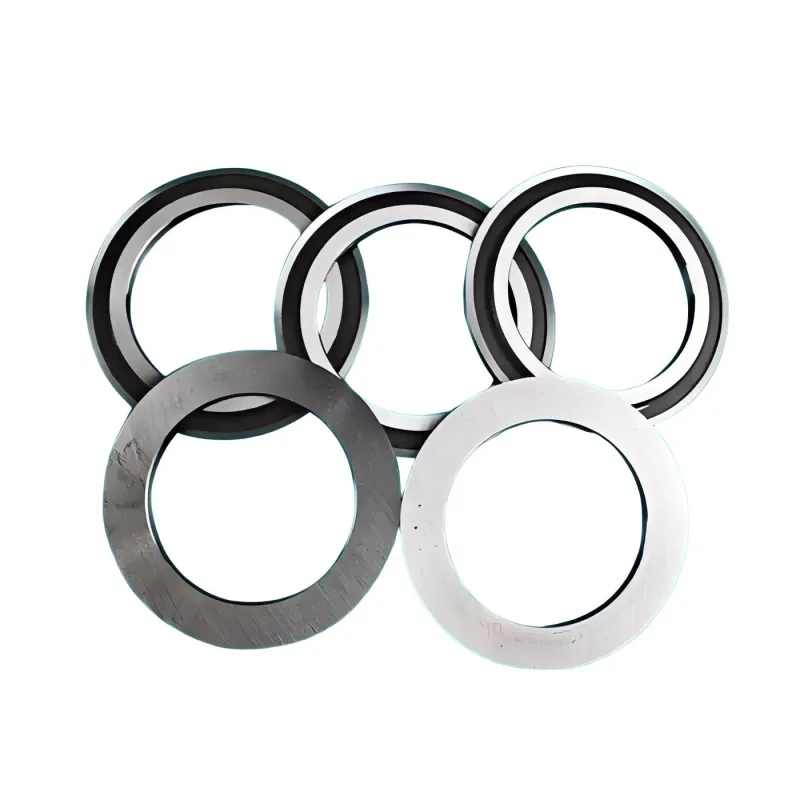
Technical FAQs
01What defines a replacement grooved bottom anvil knife?
+−
What defines a replacement grooved bottom anvil knife?
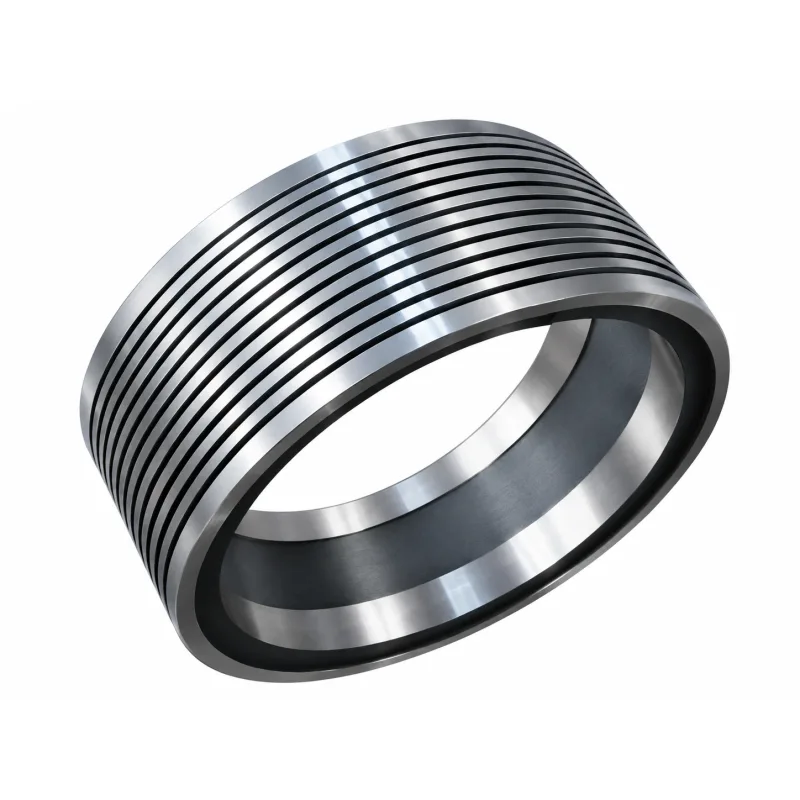
The working edge, groove profile, ring width, bore and locking arrangement define the replacement. Include groove depth and the axial position of the cutting edge relative to the mating upper knife. These features establish the working geometry beyond OD and ID. For several cutting positions on one body, see Multi-Groove Bottom Knives.
02What do NN, NG and NS locking types mean?
+−
What do NN, NG and NS locking types mean?
In DIENES terminology, NN means a smooth bore, NG uses eccentric locking, and NS uses screw locking. NN rings are positioned with spacers and axially clamped; NG uses an eccentric ring, while NS uses a screw acting on the shaft. Specify the bore, ring width and working profile alongside the mounting type when ordering replacements.
03Why can paper slit quality remain poor after the top knife is replaced?
+−
Why can paper slit quality remain poor after the top knife is replaced?
Paper shear slitting depends on the complete knife pair and its setup. Check the lower working edge, the material pairing, holder condition, overlap, side pressure and cant angle. A new top knife still works against the retained lower knife, so comparing both working surfaces and their adjustment helps identify what remains unresolved in the cutting arrangement.
04Which material or coating suits an anvil knife used with adhesive webs?
+−
Which material or coating suits an anvil knife used with adhesive webs?
Separate adhesive pickup from cutting-edge wear. For glue accumulation on an otherwise sound edge, review contact geometry, surface finish and the adhesive system when considering the available TiN, DLC or PTFE options. For wear or chipping, assess the base material and mating knife first. Compare surface options under the same web and cutting conditions to judge whether they address the actual problem.
05Can Sureay supply a custom anvil ring without replacing the top knife?
+−
Can Sureay supply a custom anvil ring without replacing the top knife?
Yes. A replacement ring can be made to the bore, ring width, groove profile, cutting-edge position and locking details required by the existing shaft. Include the retained upper knife's dimensions and working position. For sample-based orders, distinguish worn cutting surfaces from mounting surfaces so the new ring is defined around the upper knife you will keep.
06Can a razor support sleeve replace a shear-slitting anvil?
+−
Can a razor support sleeve replace a shear-slitting anvil?
A razor support sleeve provides clearance for the razor edge, while a shear-slitting anvil provides a cooperating cutting edge. Their working profiles serve different cutting methods. Specify the mating blade, cutting method and required edge position when ordering; the presence of a groove alone does not identify the correct lower component.
Get in Touch with Our Engineers
Contact Our Team
Discuss your requirements directly with our engineers.