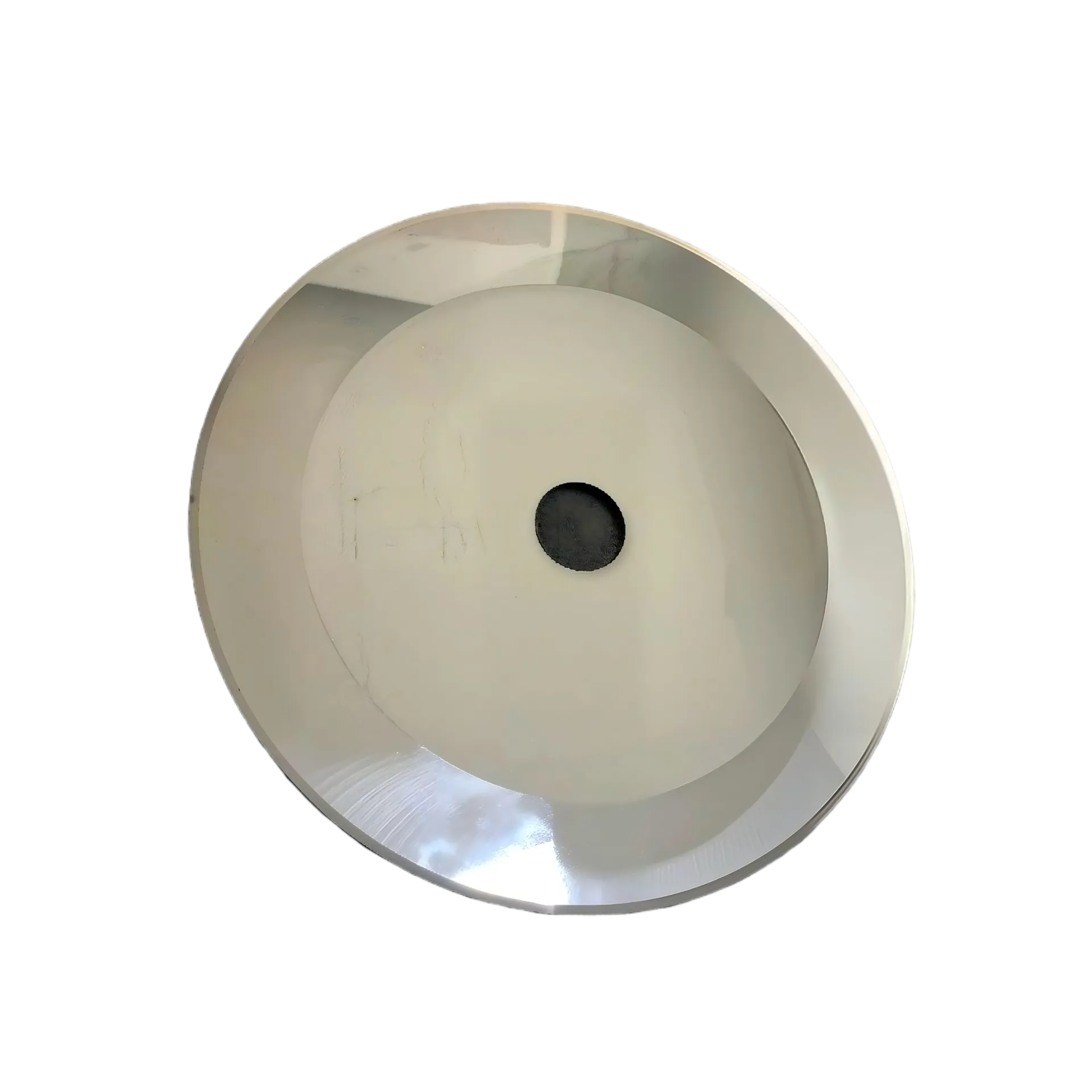
Carbide Circular Slitting Blades for Paper Straws & Filter Rods
Slitter Knives
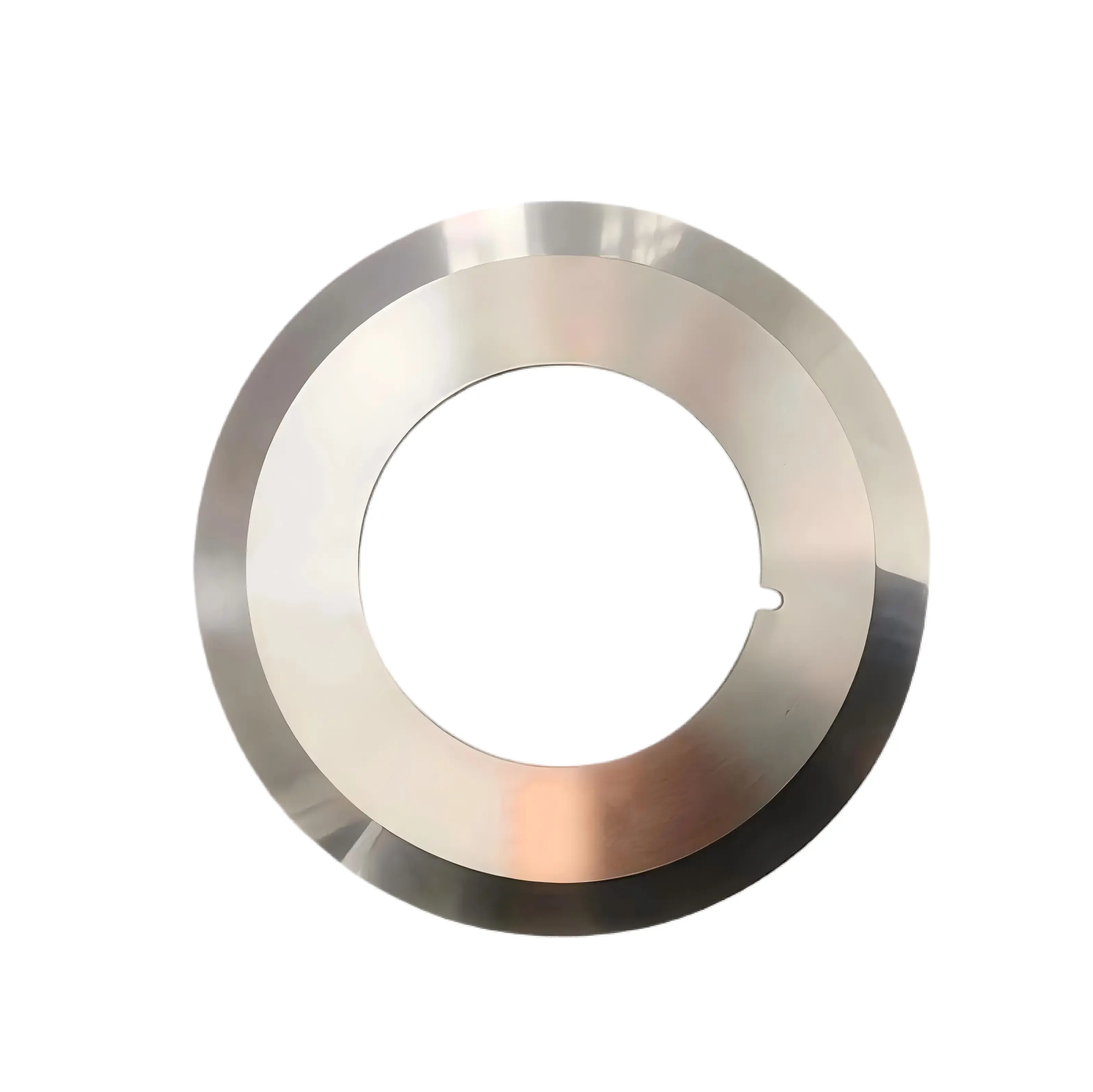
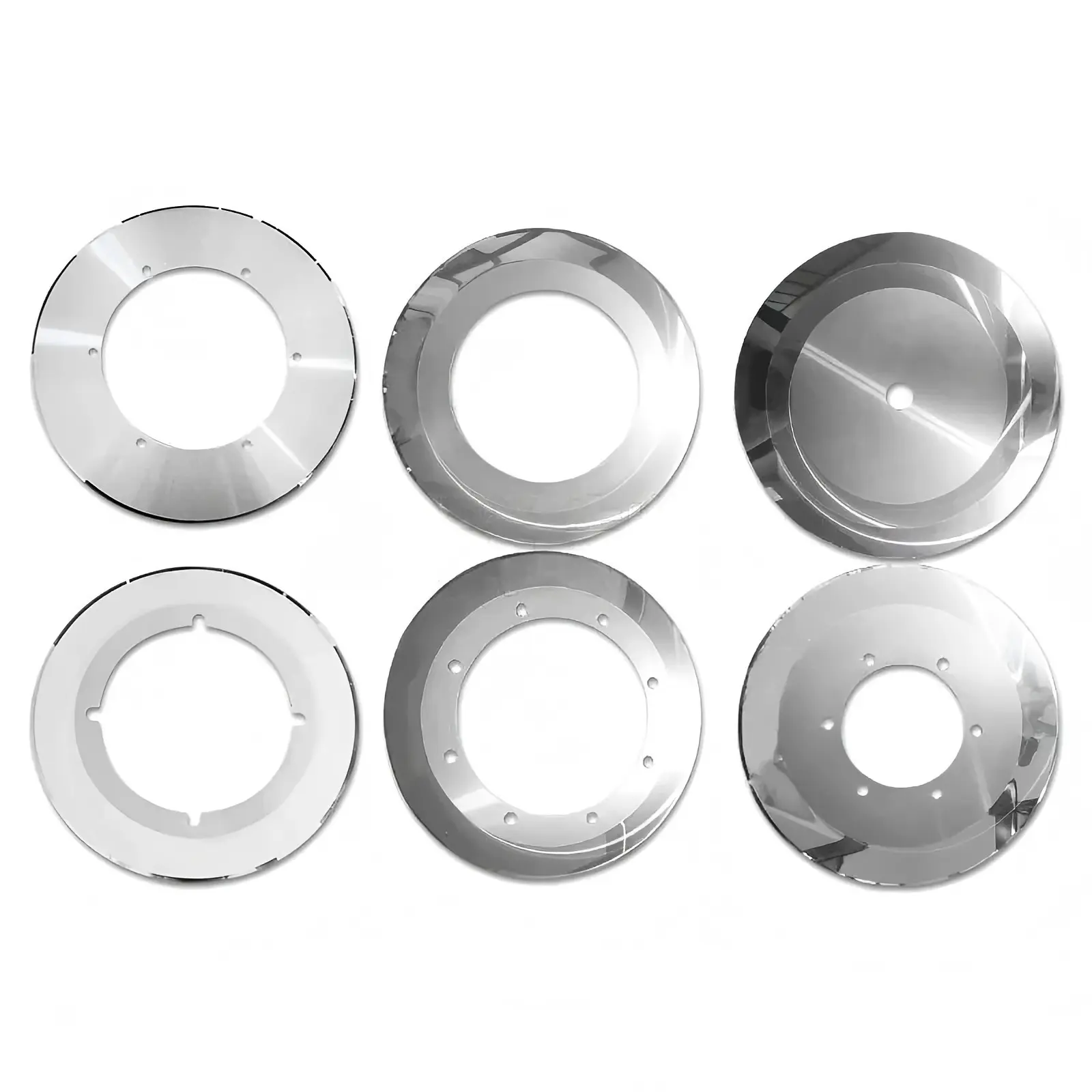
Non-stick carbide circular blades for paper straw and filter rod cutting. Φ88–Φ100 outside diameter, 0.15–0.30 mm thick, in six stock sizes. Anti-stick coating resists water-based adhesive build-up so the cut edge stays square and fray-free through long runs on high-speed straw and filter rod makers.
- ■Material: Tungsten carbide with anti-stick coating
- ■Application: Paper straw cut-off, filter rod cutting, paper tube cut-off
■ ISO 9001:2015 Certified
■ In-House Heat Treatment
■ Strict Dimensional Tolerances
■ Global Door-to-Door Delivery
Paper straw production is where most of the demand for these blades now sits. If your line runs water-based adhesive, tell us which adhesive — it predicts blade life on this application better than the paper specification does.
[ Engineering Reference ]
Decisive Specifications
| Material | Tungsten carbide with anti-stick coating |
|---|---|
| Outer Diameter | Φ88–Φ100 mm |
| Bore | Φ15 / Φ16 / Φ45 mm |
| Thickness | 0.15–0.30 mm |
| Coating Purpose | Resists water-based adhesive build-up on the blade face |
| Application | Paper straw cut-off, filter rod cutting, paper tube cut-off |
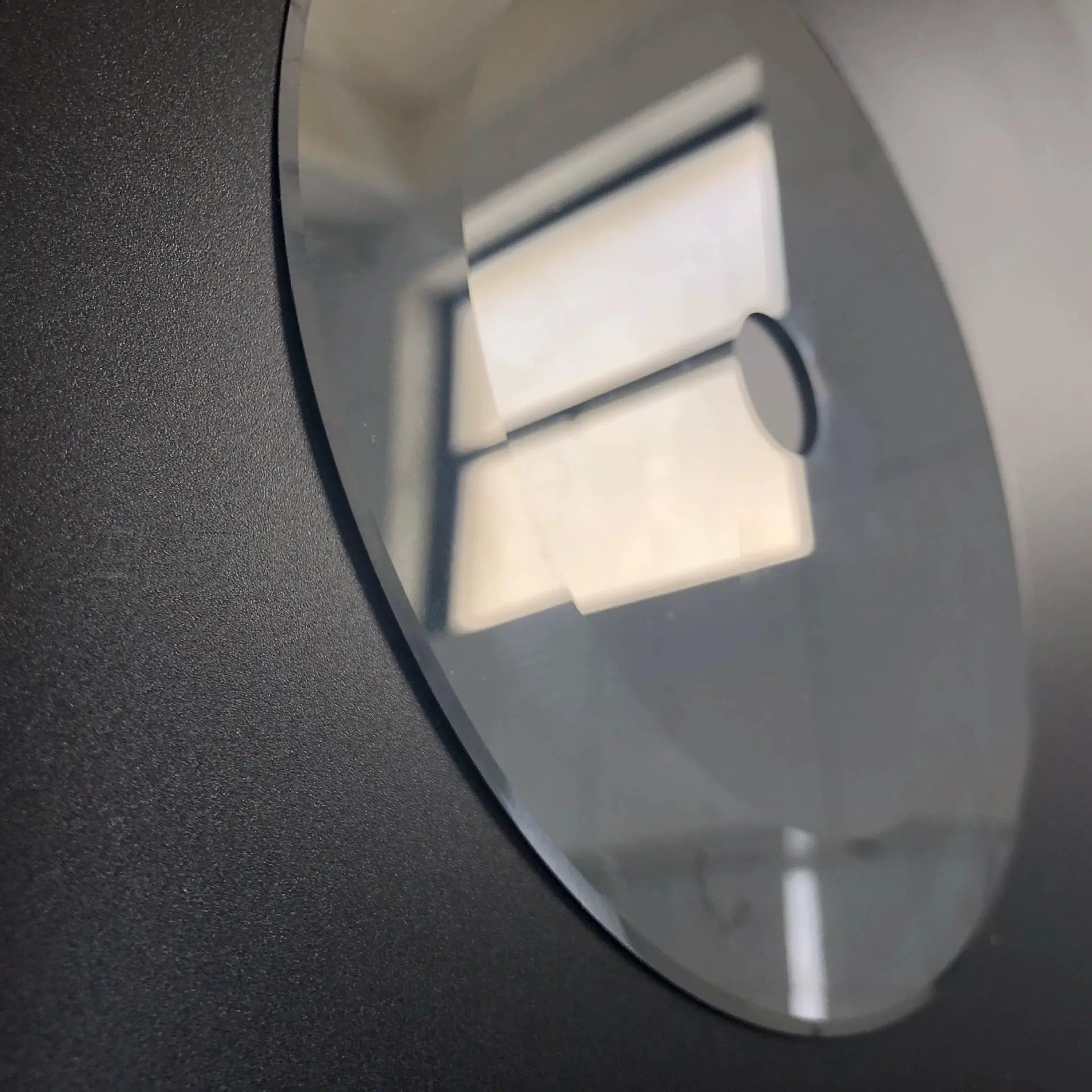
■ All values verified via CMM inspection · ISO 9001:2015
[ RFQ Prompt ]
Need a Specific Size or OEM Replacement?
Don't see your exact specs? Send us a blueprint, a worn sample, or just your machine model. Our team will review the details and provide a tailored quotation.
[ Material Selection ]
Which Steel Grade Should You Order?
On adhesive-bearing work the surface matters more than the substrate. Choose the coating for the adhesive you run, then choose the substrate for the paper.
| Grade | Hardness | Best For | Trade-off |
|---|---|---|---|
| Carbide + anti-stick coating | HRA 89–91 | Water-based adhesive straw lines and filter rod cutting — the default specification | Higher unit price; the coating is a consumable layer and does not survive a regrind |
| Uncoated carbide | HRA 89–91 | Dry or low-tack applications, and paper tube cut-off without adhesive at the cut line | Picks up adhesive quickly on glued lines; cut edge frays long before the edge is worn |
| Tool steel | 60–63 HRC | Trials, short runs and low-speed lines where cost dominates | Loses the edge quickly at straw-line speeds; not viable on continuous production |
[ Standard Reference ]
Common Standard Dimensions
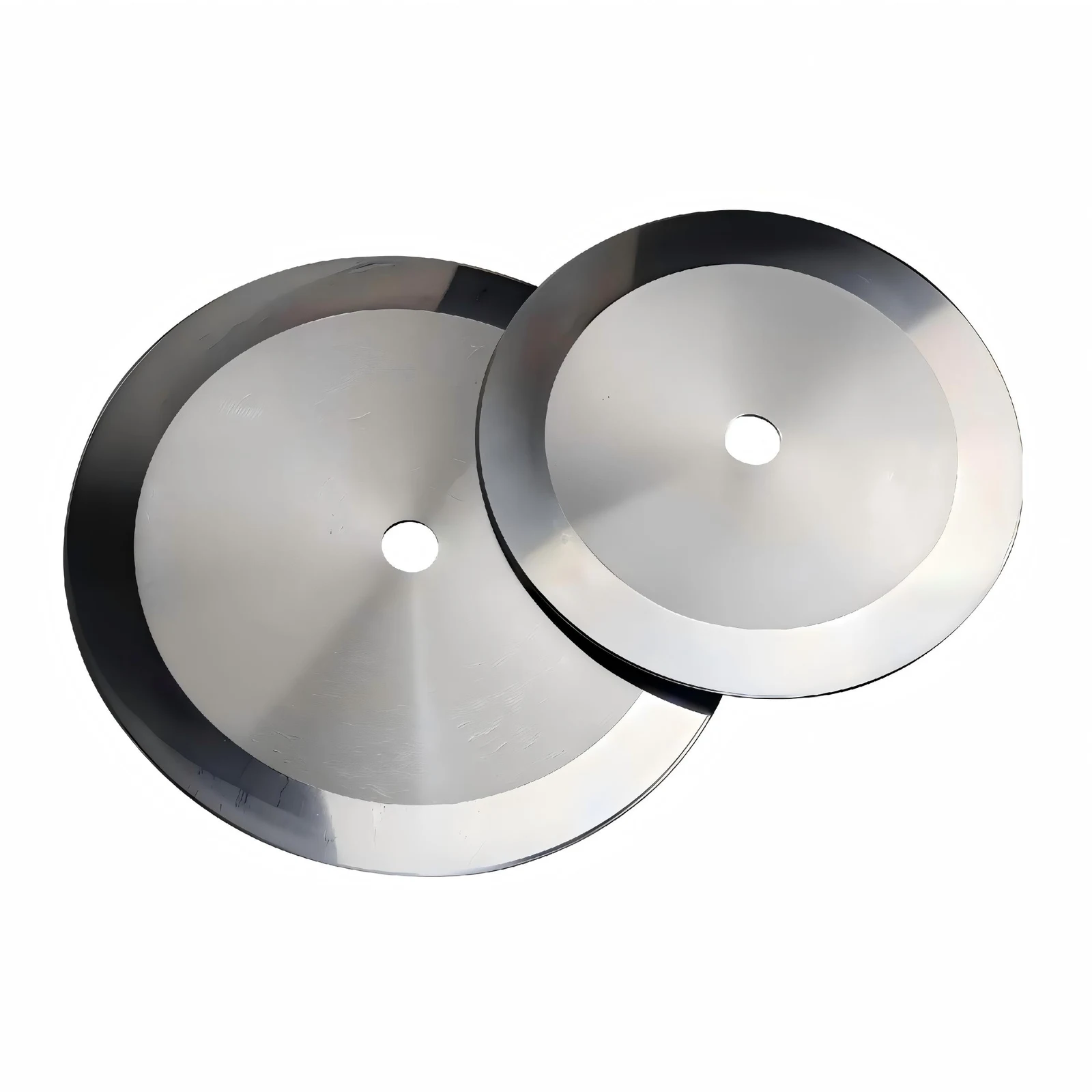
| Item | OD ØD (mm) | Bore Ød (mm) | Thickness T (mm) |
|---|---|---|---|
| 1 | Φ88 | Φ16 | 0.26 |
| 2 | Φ89 | Φ15 | 0.30 |
| 3 | Φ90 | Φ15 | 0.30 |
| 4 | Φ100 | Φ15 | 0.15 |
| 5 | Φ100 | Φ15 | 0.30 |
| 6 | Φ100 | Φ45 | 0.20 |
[ OEM Compatibility ]
Compatible Machine Brands
® Registered trademarks are property of their respective owners. Sureay supplies compatible replacement blades — not OEM-branded parts.
[ Technical Audit ]
Engineering Advantages
Coated for Adhesive Release, Not Just Hardness
On water-based adhesive lines the blade fails by pick-up, not by wear. The anti-stick coating keeps the face clean so the edge keeps cutting the tube instead of dragging it — which is the actual mechanism behind a fray-free straw end.
0.15–0.30 mm, Specified to the Cut
Thickness is a process choice, not a leftover. Thinner blades remove less material and leave a squarer end on thin-walled tube; thicker blades run more stably at speed and tolerate machine runout. We specify it against your ply count and machine rather than defaulting to one number.
Tuned to the Adhesive, Not Only the Paper
Paper straw lines vary far more in adhesive than in paper, and blade life follows the adhesive. Tell us which one you run and we will specify coating and geometry against it — the single most useful piece of information you can give us on this application.
[ System Inventory ]
Related Blade Categories
View All →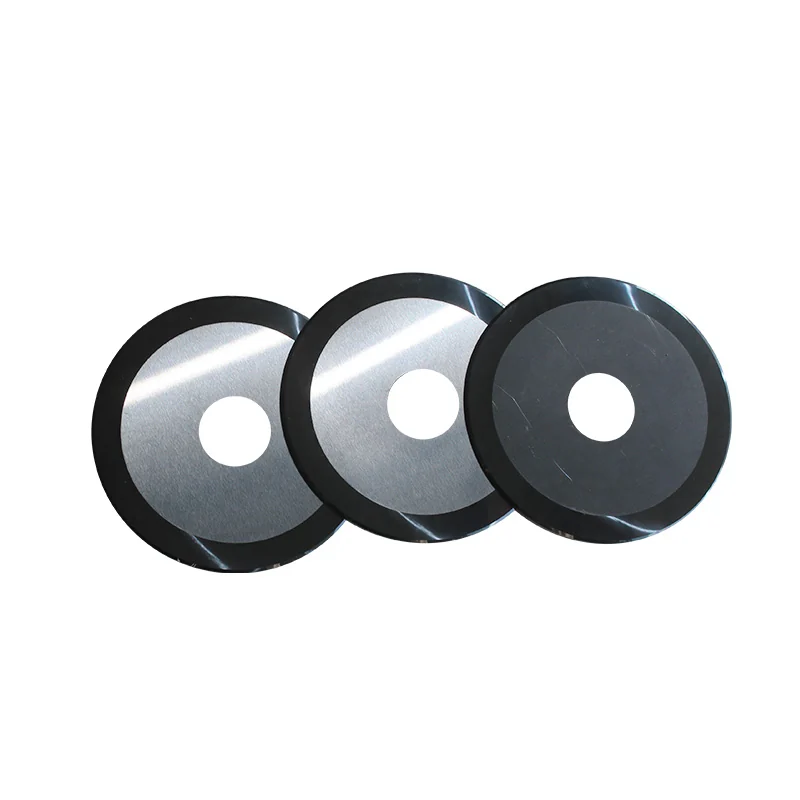
[ Knowledge Base ]
Product FAQs & Buying Guidance
Technical FAQs
01My straw ends are fraying but the blade edge still feels sharp. What is happening?
+−
My straw ends are fraying but the blade edge still feels sharp. What is happening?
Almost certainly adhesive pick-up. Water-based adhesive transfers to the blade face and builds a ridge along the cutting edge; past that point the blade drags the tube instead of severing it, and a dragged tube frays. The edge itself can be perfectly serviceable underneath. Wipe the face and inspect it under a light before you change the blade — if the deposit is visible, the answer is a coating or a cleaning interval, not a sharper blade.
02Should I run 0.15 mm or 0.30 mm?
+−
Should I run 0.15 mm or 0.30 mm?
It depends on the tube and the machine. A thinner blade removes less material and gives a squarer end on thin-walled, low-ply straws, which is why it is the choice on premium straw work. A thicker blade is stiffer, runs more stably at speed and tolerates spindle runout, which is why it is the safer choice on older machinery or on thicker multi-ply tube. Tell us the ply count, grammage and machine and we will recommend rather than leaving you to guess.
03Does the coating survive regrinding?
+−
Does the coating survive regrinding?
No. The coating is a surface layer, and grinding the edge removes it where it matters most. On coated blades of this type the practical approach is to run them to end of life and replace, rather than to build a regrind cycle around them. If your economics favour regrinding, we can quote uncoated carbide instead and you accept more frequent face cleaning as the trade.
04Do filter rod blades and paper straw blades interchange?
+−
Do filter rod blades and paper straw blades interchange?
Dimensionally they often do — the geometry lineage is the same and many straw lines were built on filter rod machinery. What does not transfer is the specification logic. Filter rod cutting runs at very high speed on a consistent material; straw lines run varied paper and, critically, varied adhesive. A blade that performs on a Hauni filter rod maker may gum up on a straw line running a different glue. Specify against the adhesive, not against the machine ancestry.
Why Choose Sureay
01What information do you need to quote?
+−
What information do you need to quote?
Outside diameter, bore and thickness; the machine model; straw ply count and paper grammage; the adhesive type; and your current change interval. The adhesive is the item most buyers leave out and the one that predicts blade life best on this application, so include it even if you are not sure it matters.
02Can you supply for a straw line we are still commissioning?
+−
Can you supply for a straw line we are still commissioning?
Yes, and it is worth involving us early. On a new line the useful first step is a small trial quantity across two specifications — typically a coated blade and a different thickness — run against your actual adhesive and paper. That tells you more in a fortnight than a datasheet comparison will, and it sets the standing order specification correctly from the start.
03What are the lead times?
+−
What are the lead times?
Stock sizes generally ship within a few working days. Custom diameters, bores and thicknesses run 15–25 working days from drawing approval. Coated blades add a few days over uncoated for the coating cycle, so factor that in when you are planning a first trial.
Reach Our Team
Get in Touch with Our Engineers
Contact Our Team
Discuss your requirements directly with our engineers.
Request a Quote
Our engineering team responds within 2 hours.