Shredder Blades & Cutter Inserts

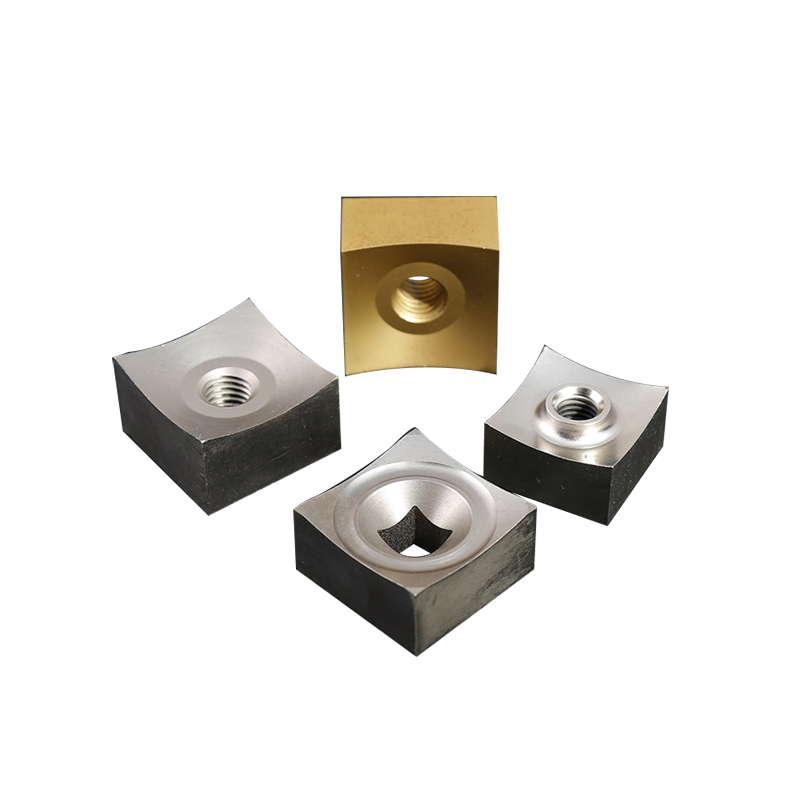
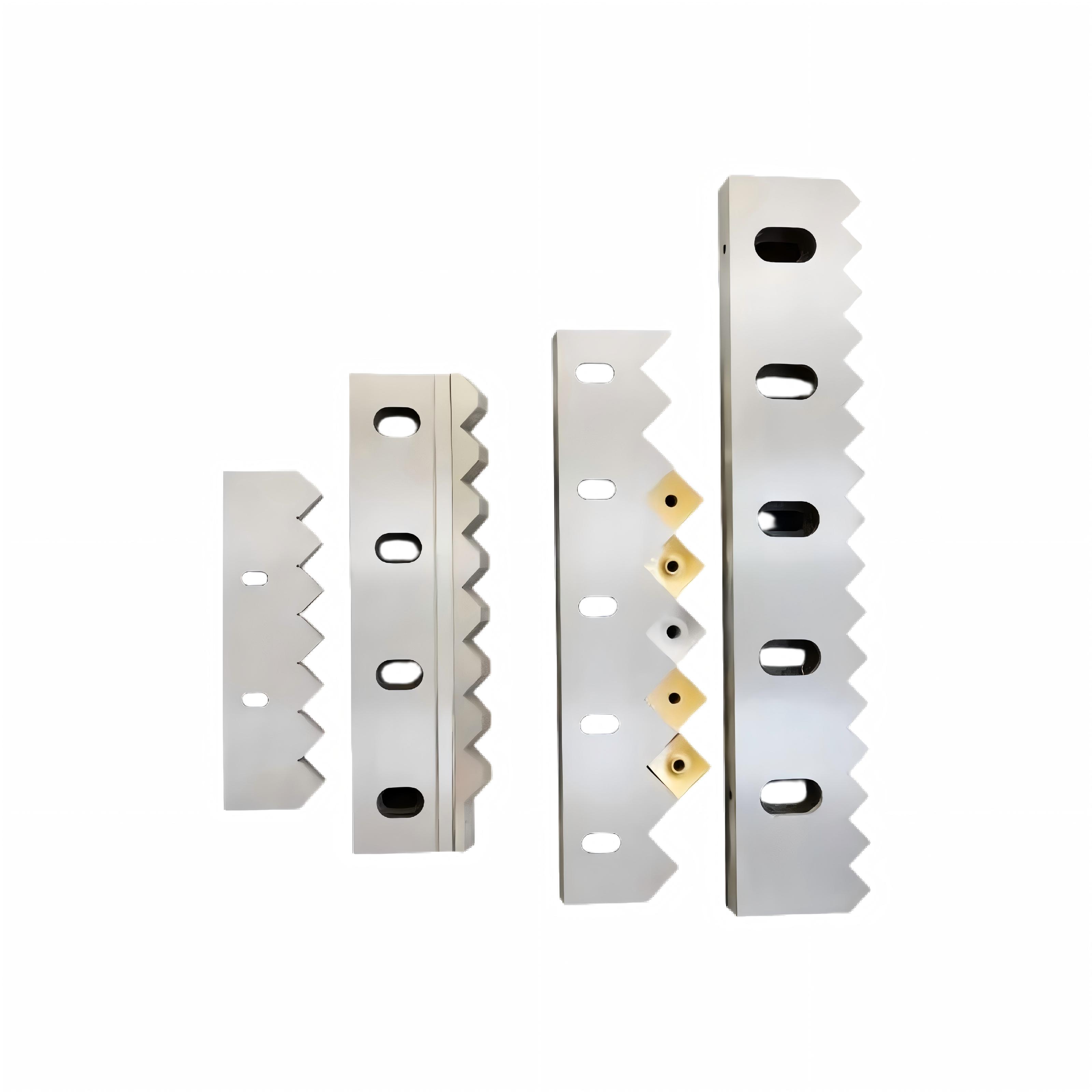
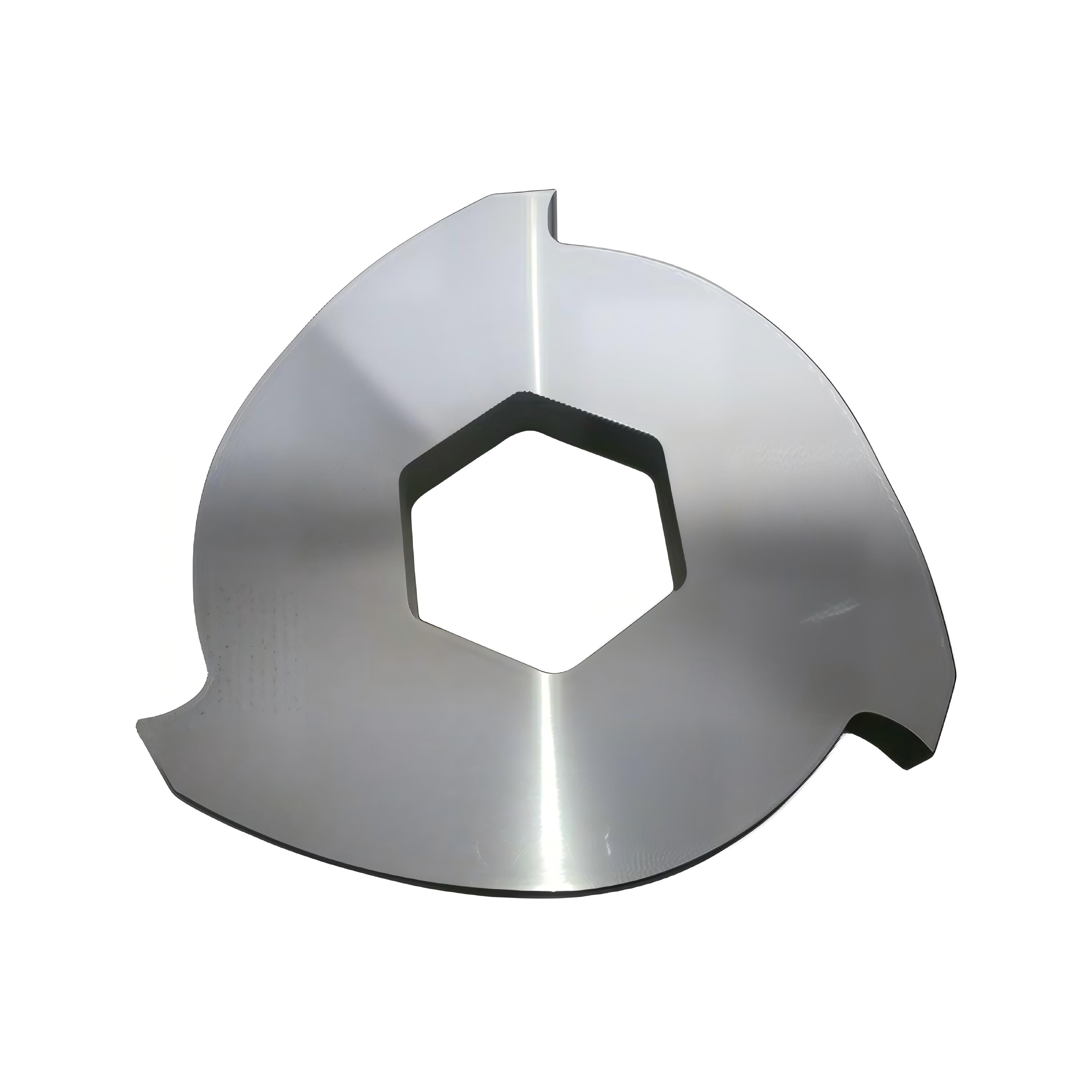
Heavy-duty shredder blades for plastic, metal, tire and battery recycling lines.

Key Specifications

Materials
D2 · SKD11 · Cr12MoV
Hardness
58–62 HRC
Heat Treatment
Cryogenic + Vacuum
Platforms
Twin-shaft · Single-shaft
Applications
Plastic · Metal · Tire · Battery
Fit
Drop-in OEM replacement

Engineering Detail

  • ENGINEERING

    FEA-Optimized Hook Profile

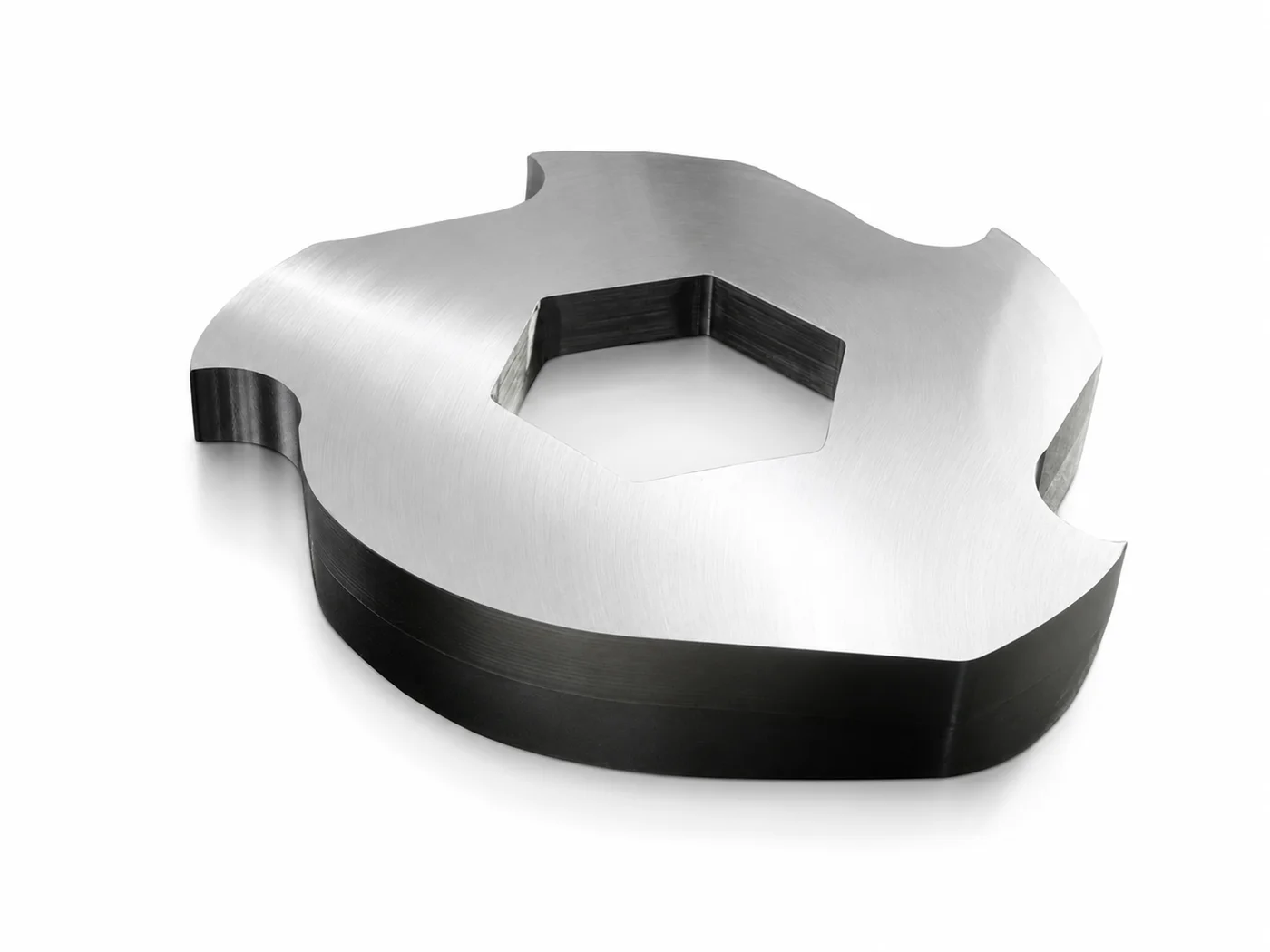
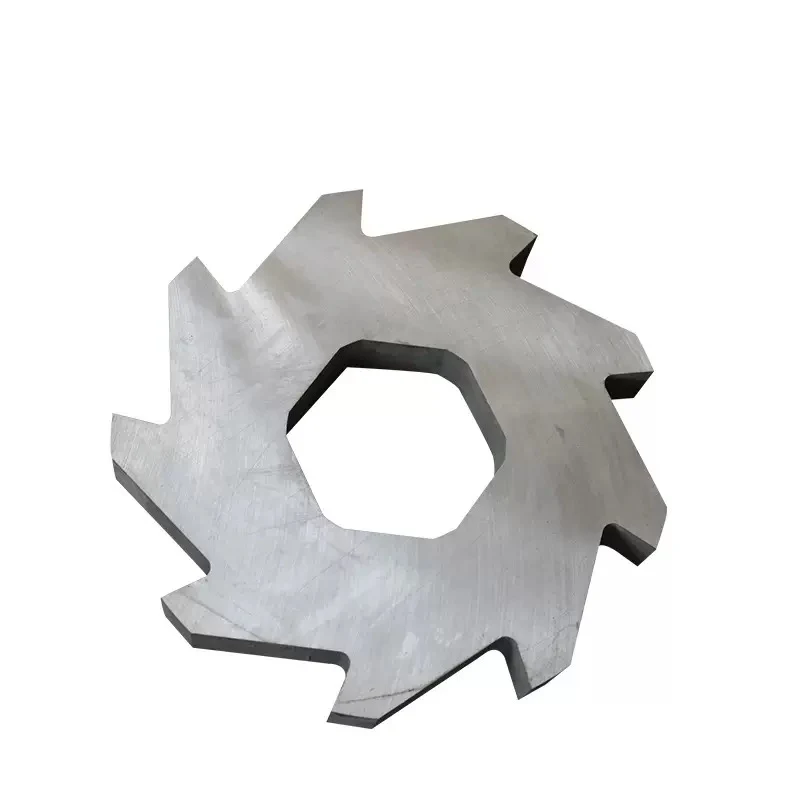
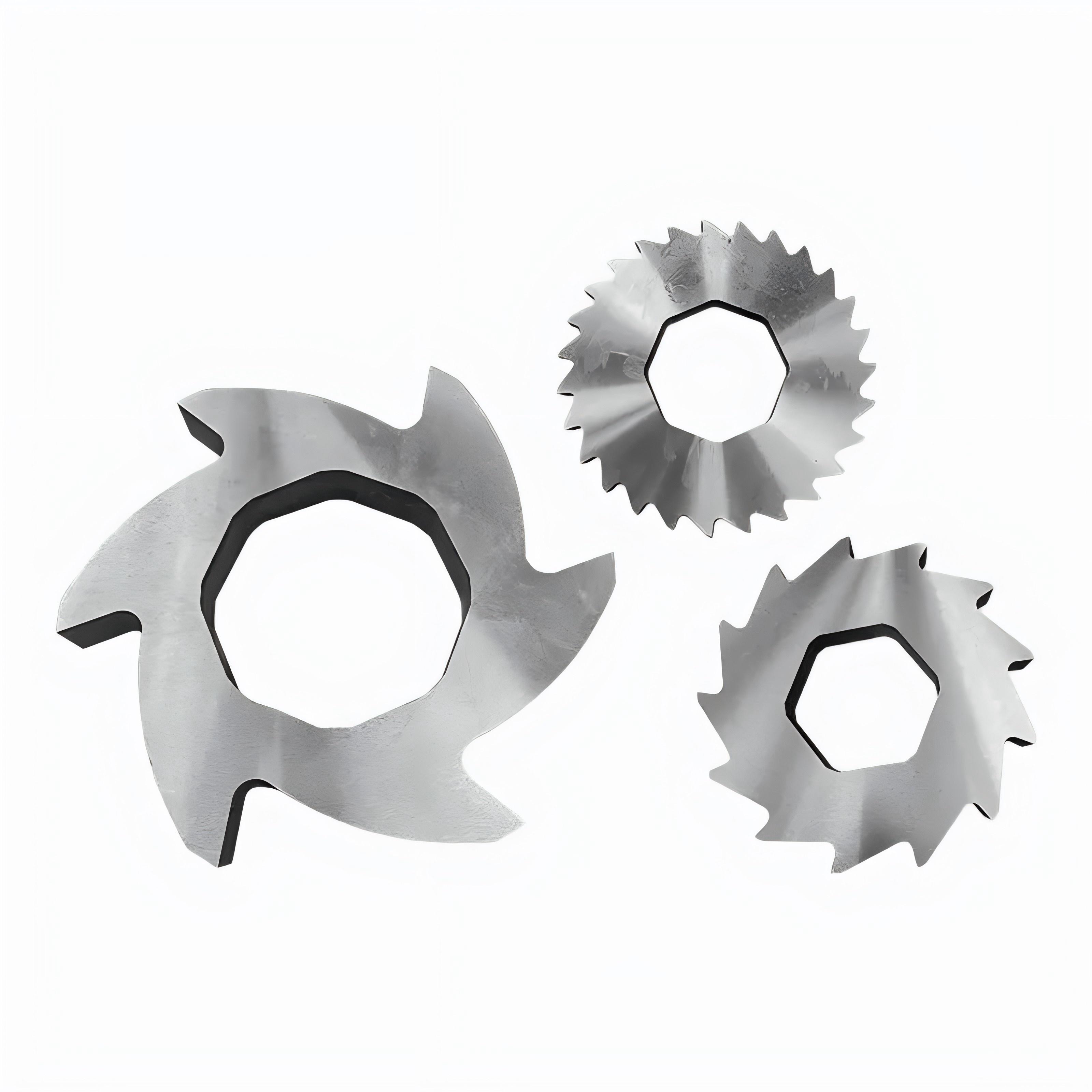
    Hook geometry designed via Finite Element Analysis to eliminate stress concentrators. 3-claw, 8-claw, and 12-claw configurations provide the correct grabbing force for every feedstock type.

  • PRECISION

    Precision Wire-EDM Bores

    All mounting bores are cut by Wire-EDM to ±0.01mm, guaranteeing a zero-backlash drop-in fit that eliminates the micro-rocking that causes shaft damage and bore elongation.

  • METALLURGY

    Deep Cryogenic Treatment

    Post-hardening cryogenic processing at −196°C eliminates retained austenite, stabilizing the martensite microstructure for up to 40% greater wear resistance without reducing toughness.

  • WEIMA
  • UNTHA
  • Vecoplan
  • SSI Shredding Systems
  • Lindner
  • Erdwich
  • BRT Hartner
  • ZERMA
  • Shred-Tech
  • Arjes
  • Forus
  • SSI Shredding
  • Bano
  • Hammel
  • Rapid Granulator
  • Neue Herbold
  • Getecha
  • Cumberland Engineering
  • Conair
  • Wittmann Battenfeld
  • Granutech-Saturn Systems
  • Eldan Recycling
  • Eco Green Equipment
  • American Pulverizer

[ Knowledge Base ]

Product FAQs & Buying Guidance

01 /

Technical FAQs

01How do I choose between 3-claw, 8-claw, and 12-claw blade designs?
+

Claw count directly controls the blade's grabbing frequency and output particle size. 3-claw (3C) blades are designed for high-torque primary shredding of bulky stock—wooden pallets and large HDPE containers—where aggressive hook geometry provides maximum bite. 8-claw (8C) is the general-purpose standard for mixed MSW, plastic bales, and post-industrial scrap. 12-claw (12C) configurations produce finer output particles from lighter feedstocks such as rigid household plastics and packaging.

02Why does Sureay use Wire-EDM for inner bores instead of broaching?
+

Standard broaching creates dimensional tolerances of ±0.1–0.2mm and introduces residual surface stress in the bore wall. Over millions of rotor cycles, this gap allows micro-rocking—progressive bore elongation that eventually destroys the rotor shaft. Precision Wire-EDM machines bores to ±0.01mm accuracy with a stress-free cut surface, eliminating the clearance that causes micro-rocking.

03How do I choose between D2, SKD11, and 42CrMo for contaminated plastic or MSW shredding?
+

D2 (1.2379) is correct for post-consumer plastic bales with residual dirt and trace contamination. Upgrade to SKD11 when your feedstock includes glass-reinforced engineering plastics (PA66-GF30, ABS) mixed into contaminated streams. Select 42CrMo for timber or industrial scrap with high metal contamination risk—its higher impact energy absorption prevents brittle fracture on a metal strike.

04How often should twin-shaft shredder blades be indexed or replaced on a continuous recycling line?
+

On a 16-hour continuous line processing post-consumer HDPE and PP, schedule first indexing at 400–600 operating hours with D2, and 600–800 hours with SKD11 on clean feedstock. Contaminated or glass-filled streams reduce these intervals by 30–40%. Fixed tonnage-milestone indexing is recommended rather than waiting for visible edge rounding.

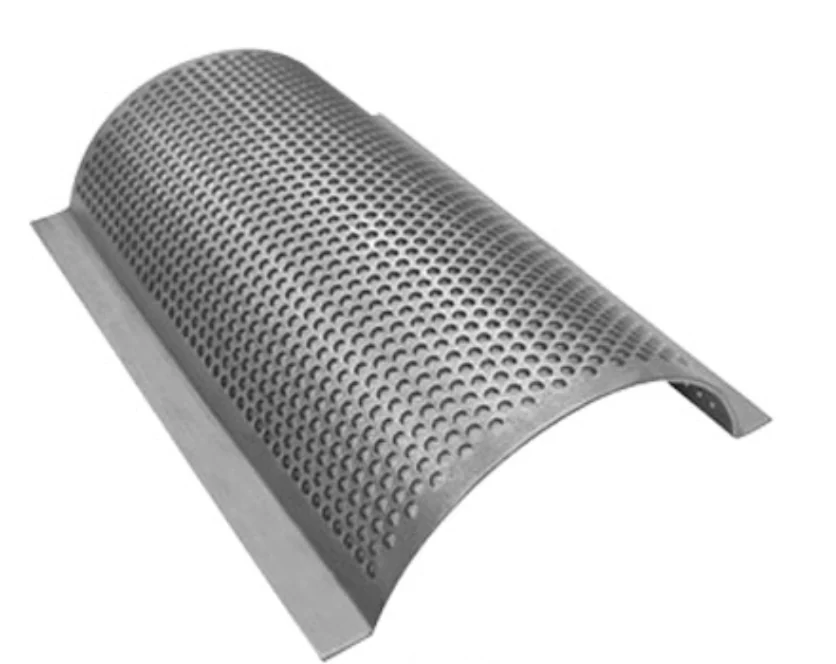
05Do you supply counter-knives and sizing screens as a complete tooling system?
+

Yes. We manufacture matched stationary counter-knives and perforated sizing screens as a complete twin-shaft shredding tooling system. Supplying rotor blades and counter-knives from the same grinding run ensures consistent shear clearance across the full rotor-to-bed interface.

02 /

Why Choose Sureay

01Are you a trading company or a direct manufacturer?
+

We are a 100% direct OEM manufacturer established in 2008. When you buy from Sureay, you bypass middleman markups and communicate directly with the engineers who forge and grind your blades.

02What makes Sureay's heat treatment different from cheaper alternatives?
+

Unlike standard single-cycle quenching, every Sureay shredder blade undergoes vacuum hardening followed by 4–5 tempering cycles and deep cryogenic treatment at −196°C. This stabilizes the full martensite microstructure, boosting wear resistance by up to 40%.

03Do you ship globally and how long does it take?
+

Yes, we export to over 50 countries. Standard OEM replacement blades typically ship within 48 hours. Custom profiles take 10–15 working days. We partner directly with DHL, FedEx, and international sea freight forwarders for reliable door-to-door delivery.

04What quality certifications does Sureay hold?
+

Sureay is ISO 9001:2015 certified. Every shipment includes a Rockwell HRC hardness test report, a dimensional inspection record, and a heat treatment batch certificate. For OEM qualification, full CMM dimensional reports and steel mill certificates are available on request.

05Can we trial a sample set before committing to a full production order?
+

Yes. We offer sample sets (typically 2–5 blades) for machine fit verification and edge life testing. Standard sample lead time is 5–7 working days.

Reach Our Team

Get in Touch with Our Engineers

Request a Quote

Our engineering team responds within 24 hours.

Upload CAD / Technical Drawing

.DXF · .DWG · .PDF · .STEP · .STP · .JPG · .PNG · .WEBP — click or drag & drop

No spam — we only use your email to respond to this inquiry.